Stone Town Slave Market Tour: Tickets, History & Tips
Plan a Stone Town slave market tour with our guide to tickets, the Anglican Cathedral, history, and respectful visitation. Book your Zanzibar tour today.
9 min read · 8 Oct 2026
Tours & activities
Discover Stone Town tours by type: walking, cultural, photography & more. Compare group vs private, inclusions, and booking tips for Zanzibar.
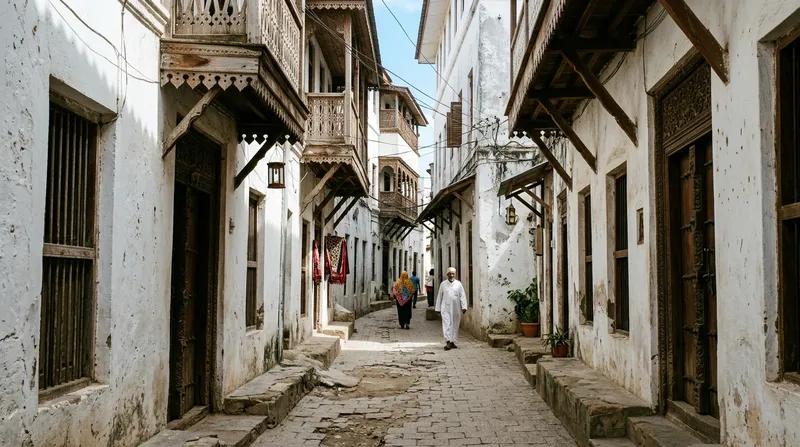
Stone Town is small — you can walk its core in twenty minutes if you don't stop — but it's dense with layered history, and that density is exactly why tours sell. The streets twist without logic, buildings look similar from the outside, and most of the interesting stuff (a carved doorway, a disused hammam, a market stall worth photographing) isn't signposted. A guide solves a navigation problem and a context problem at once. Without one, you'll see the same five landmarks everyone photographs and miss the rest.
That said, not every traveler needs the same tour. A honeymoon couple wants romance and good light, not a lecture on 19th-century trade routes. A family with kids under ten will lose interest in Sultan's Palace room descriptions after fifteen minutes. Senior travelers often want shorter routes with seating breaks, not a three-hour slog through midday heat. Matching tour type to traveler type matters more in Stone Town than in most places, because the city rewards a slow pace and punishes rushing.
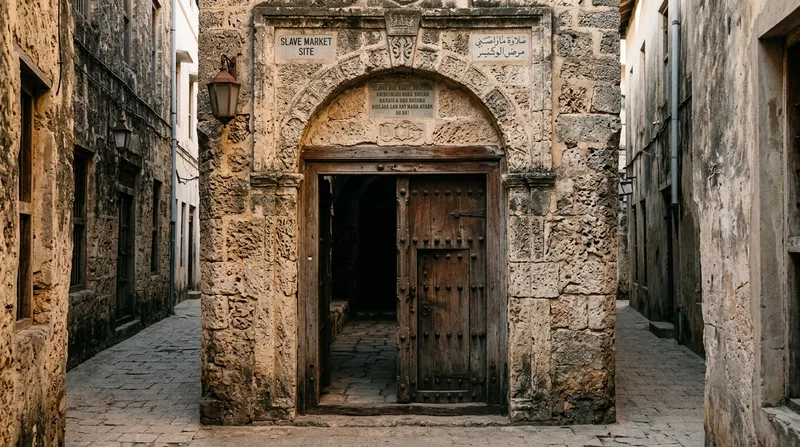
If you want the Omani Sultanate era, the slave trade history, and the Swahili-Arab-Indian architectural blend explained properly, book a guided walking tour that specifically covers the Old Fort, House of Wonders, Sultan's Palace, and the Slave Market Memorial near the Anglican Cathedral Church. These sites only make sense with narration — the House of Wonders, for instance, looks like a crumbling colonial building until you learn it was the first in East Africa with electricity and an elevator. Look for tours that spend real time at the Slave Market Memorial rather than a five-minute photo stop; this is the site visitors most often say deserved more than they got.
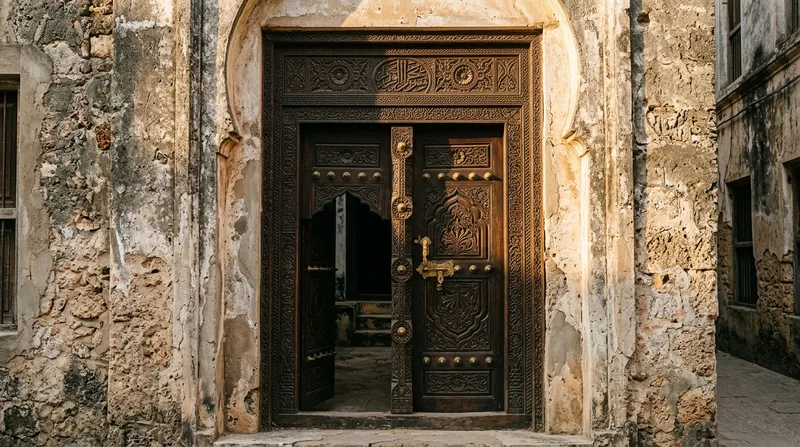
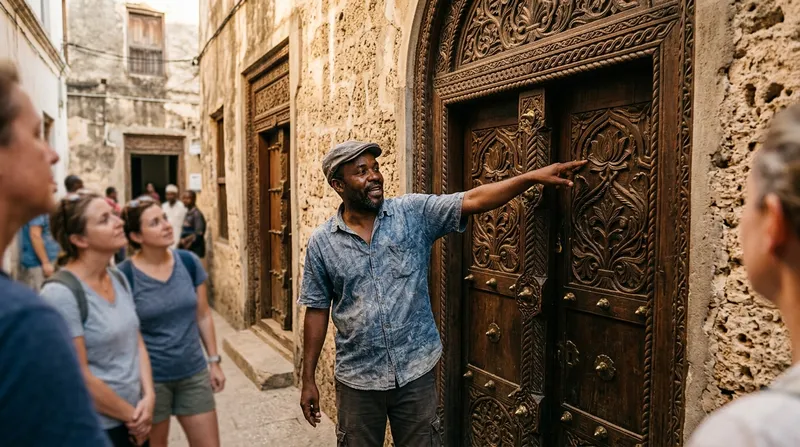
Stone Town's best material is light-dependent: carved wooden doors around 4-5pm, Forodhani Gardens at sunset, the Spice Market's color and chaos in mid-morning. A standard group tour at 10am misses all of this. Photographers should book a tour explicitly timed for golden hour, or better, hire a private guide for two to three hours and set the schedule yourself. Some guides double as informal "door tour" specialists — Stone Town has over 500 carved doors, and a local who can point you to the Indian-influenced brass-studded ones versus the plainer Arab-style doors adds real value a generic tour won't.
Stone Town tours fall into a handful of recognizable categories, and the differences matter more than operator branding suggests. Walking tours are the default and the best value — most run two to three hours and cover the Old Fort, House of Wonders, Sultan's Palace, Jami Mosque exterior, and Forodhani Gardens on foot. Cultural/heritage tours overlap heavily with walking tours but add deeper storytelling on slavery history, Swahili culture, and spice trade economics; expect these to run closer to three to four hours, sometimes combined with a spice farm visit outside town.

Food and market tours focus on the Darajani Market and Spice Market, with stops for street food tasting — these run shorter, often ninety minutes to two hours, and suit travelers more interested in smells and flavors than dates and dynasties. Sunset or evening tours are really Forodhani Gardens experiences dressed up — worthwhile for the food stalls and the view, less so if you've already walked the same ground earlier in the day.
Boat and dhow tours are a different category entirely, often bundled with Stone Town add-ons but centered on the harbor rather than the alleys. They're worth comparing against a pure walking tour because they answer a different question.
Walking tours cover the most historic ground per hour, while boat tours and food tours serve narrower, complementary purposes.
Stone Town tours compared by duration, focus, and best fit
| Tour type | Typical duration | Main focus | Best for | Group size |
|---|---|---|---|---|
| Walking tour | 2-3 hours | Old Fort, House of Wonders, Sultan's Palace, alleys | First-time visitors, history fans | Group or private |
| Cultural/heritage tour | 3-4 hours | Slavery history, Swahili culture, spice trade | Deep-dive history enthusiasts | Group or private |
| Food/market tour | 1.5-2 hours | Spice Market, Darajani Market, tastings | Food-focused travelers | Small group |
| Sunset/evening tour | 1-2 hours | Forodhani Gardens, street food, views | Couples, families | Group or private |
| Dhow/boat tour | 2-3 hours | Harbor views, sunset sail | Photographers, honeymooners | Small group or private |
Durations and groupings as of 2024-2025; confirm current schedules and group sizes before booking.
A walking tour gets you inside the city — narrow lanes, doorways, markets, mosques you can only appreciate on foot. A boat or dhow tour gets you outside it, showing the waterfront skyline, old harbor, and sometimes a sunset sail past Forodhani Gardens. They're complementary, not competing. If you only have one day in Stone Town, prioritize the walking tour; the boat trip is a nice add-on for a second day or a honeymoon itinerary, not a substitute. Don't book a boat tour expecting it to cover the Spice Market or Old Fort — it won't, and operators sometimes blur this distinction in marketing copy.
Group tours are cheaper per person and fine for history enthusiasts happy to follow a fixed script. Expect groups of six to fifteen people, a set route, and a set pace — you can't skip the parts that bore you or linger where you want to shoot photos. Private guides cost more per person but flex on timing, route, and depth; for a couple or a photographer, the price difference is often worth it because you reclaim control over pacing and light. Families with young kids should lean private too — a bored eight-year-old can derail a group tour for everyone else. The honest trade-off: private tours require more trust in an individual guide's quality, since you can't rely on group reviews averaging out one bad day.
Before you book any Stone Town guided tour, check three things: what's actually included, how many people will be in your group, and what happens if you need to cancel. Zanzibar's tour market has a wide quality range — some guides are licensed and genuinely knowledgeable, others are freelancers who learned a script. Reviews matter more here than in destinations with tighter regulation, so read recent ones, not just the top-rated few.
Confirm whether entry fees to House of Wonders or the Old Fort's museum sections are included or paid separately on-site — this varies by operator and catches people out. Water is sometimes included, sometimes not; Stone Town's alleys trap heat even when the coast breeze is pleasant, so carry your own regardless. Group size affects experience quality directly: a tour capped at eight people lets you actually hear the guide in a noisy market; a fifteen-person group strung out through narrow lanes means half the group misses half the commentary. Ask the group size cap before booking, not after.
Free cancellation up to 24 hours before the tour is standard for most reputable listings — if a tour only offers non-refundable booking, treat that as a minor red flag, not a dealbreaker, but factor it into your decision. Duration listed isn't always duration delivered; a "half-day" tour billed at four hours sometimes wraps in under three once you account for a slow start or an early finish at a souvenir shop (a common soft-sell tactic worth watching for). Compare current prices and reviews across a few listings before you commit, and favor operators with detailed, specific recent reviews over generic five-star blocks.
Stone Town can be toured year-round, but timing affects comfort more than availability. June through October is Zanzibar's dry season and the most comfortable for walking tours — lower humidity, less rain, manageable heat if you book an early morning or late afternoon slot. December to February is hot and increasingly busy with European travelers escaping winter; book a few days ahead rather than same-day during this window. The long rains, March through May, see fewer tourists and lower prices, but afternoon downpours can cut a walking tour short — if you're visiting then, book a morning tour and keep plans flexible.
Within any season, timing of day matters more than time of year. Midday tours between 11am and 3pm hit the worst heat and the harshest light for photos. Early morning (7:30-9am) tours get the Spice Market at its most active and the streets at their quietest. Late afternoon tours (4-6pm) catch the best light for doors and architecture and end naturally at Forodhani Gardens for sunset — this is the slot photographers and honeymooners should request specifically when booking, rather than accepting whatever default slot is offered.

Not everything in Stone Town requires a guide, and paying for one at every site is a waste of money. The Old Fort's outer courtyard, Forodhani Gardens, and the general wandering through the alleys near Jami Mosque cost nothing and need no booking. Where a guide earns its price is at sites with layered, non-obvious history — the Slave Market Memorial site and House of Wonders specifically reward context you won't get from a plaque.
Compare this to Mombasa's Old Town, which has similar Swahili-Arab architecture but far less organized tourism infrastructure — fewer trained guides, less signage, and a rougher edge that some travelers prefer and others find exhausting. Stone Town, by contrast, has enough tour density that quality competition exists; you can actually choose between operators rather than take whoever shows up at your hotel. If you're island-hopping afterward to somewhere like Pemba Island or Mafia Island for diving, or heading to Mnemba Atoll for snorkeling, treat Stone Town as the cultural half of your trip and budget a full day, maybe two, before moving to the beach side.
A printed or downloaded map plus two to three hours of unstructured walking will get you to the Old Fort, House of Wonders exterior, Forodhani Gardens, and most of the door-spotting highlights without a guide. What you'll miss is the historical narrative — dates, names, the "why" behind what you're looking at. A reasonable compromise: book a short guided walk (90 minutes to two hours) on day one to orient yourself and learn the key history, then explore solo on day two at your own pace, camera in hand, revisiting whatever caught your attention. This costs less than two full guided tours and usually produces better photos, since you're not shooting on someone else's schedule.
Most walking and cultural tours include a licensed or experienced guide, a fixed route through sites like the Old Fort, House of Wonders, and Sultan's Palace, and sometimes bottled water. Entry fees to museums inside these buildings are often separate — confirm this at booking. Transport, meals, and spice farm visits are usually add-ons, not standard inclusions, unless the listing specifically bundles them.
Standard walking tours run two to three hours covering the core historic sites. Cultural or heritage-focused versions that go deeper into slavery and trade history typically run three to four hours. Food and market-focused tours are shorter, often ninety minutes to two hours, since they cover less ground on foot.
Group tours are cheaper and fine for travelers happy with a fixed pace and script, typically six to fifteen people. Private guides cost more but let you control timing, route, and depth — better for photographers, couples, and families with young children who need flexibility. Neither is objectively better; it depends on your budget and tolerance for following someone else's schedule.
June through October offers the most comfortable walking conditions with lower humidity. December through February is busier with holiday travelers, so book a few days ahead. March through May sees fewer crowds and lower prices but more rain — book morning slots and stay flexible on timing.
Yes — Forodhani Gardens, the Old Fort courtyard, and general wandering near Jami Mosque need no booking or guide. You'll miss the historical context at sites like House of Wonders and the Slave Market Memorial, though, so many travelers do a short guided walk first, then explore solo afterward.
Plan a Stone Town slave market tour with our guide to tickets, the Anglican Cathedral, history, and respectful visitation. Book your Zanzibar tour today.
9 min read · 8 Oct 2026

A tightly timed Stone Town one day itinerary mixing free walking routes, iconic sights, and bookable island tours for day-trippers in Zanzibar.
9 min read · 8 Oct 2026
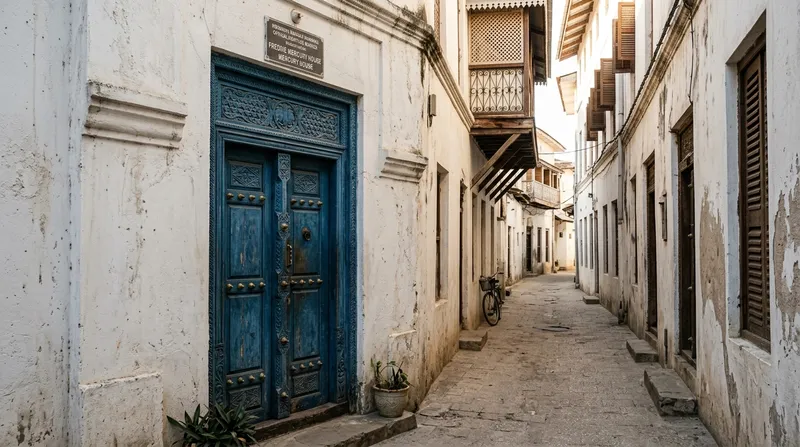
Compare Freddie Mercury house visits in Stone Town: solo museum trip vs guided walking tours. Costs, time, crowds, and which option suits you best.
9 min read · 8 Oct 2026

Explore Old Fort Zanzibar (Ngome Kongwe) in Stone Town. Entry fees, guided tours, events, best visiting times, and nearby attractions explained.
9 min read · 8 Oct 2026

Compare daytime vs night Stone Town food tours. Find family-friendly, allergy-safe options, pricing, what's included & best booking tips for Zanzibar.
8 min read · 8 Oct 2026

Complete guide to House of Wonders tickets, opening hours, and guided tours in Stone Town. Book entry, learn what to expect, and plan your visit.
9 min read · 8 Oct 2026
Compare Stone Town walking tour types by route, duration, and depth. Find the best guided walk for your interests, group size, and budget.
9 min read · 8 Oct 2026