Zanzibar Fishing Trips: Charters, Prices & Best Seasons
Compare Zanzibar fishing trips from budget shared boats to luxury big-game charters. Pricing, seasons, target species and booking tips inside.
8 min read · 8 Oct 2026
Tours & activities
Compare zanzibar diving and snorkeling tours by season, location, and skill level. Find the best water sports experience for your trip.
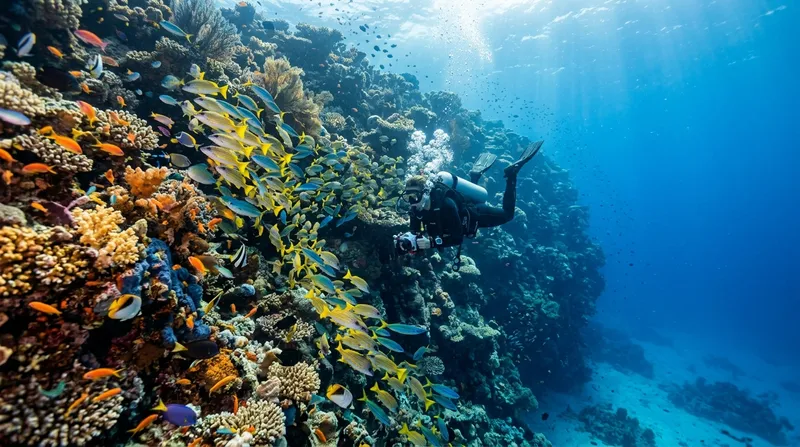
Zanzibar diving and snorkeling draw a wide range of visitors, and the right choice depends less on budget and more on swimming ability, time, and what you actually want to see. The island's reefs sit close to shore in places like Matemwe and Kendwa, which makes snorkeling accessible even for people who've never worn a mask in open water. Diving, by contrast, rewards those with at least a day or two to spare and some comfort in the water beyond paddling near the beach.
I'd push back on the assumption that snorkeling is just "diving lite" for people who can't commit. Some of Zanzibar's best coral — in the shallow lagoon areas around Mnemba — is genuinely better suited to snorkelers than divers, since it sits in depths of 2 to 6 meters where natural light brings out coral color that gets muted below 15 meters. Divers chasing bigger animals, drop-offs, and current-driven drift sites will want the boat trips further out.
Families traveling with children under 10 generally do better sticking to snorkeling from Kendwa or Nungwi beaches, where the water is calm and shallow close to shore. Older teens who are reasonably strong swimmers can usually join introductory dive sessions, often marketed as "discover scuba" programs, which don't require certification but do require a one-on-one instructor ratio.
If you've never snorkeled before, Zanzibar is a reasonable place to start, but choose your location carefully. Kendwa and Nungwi have calmer, shallower water and less current than the east coast, making them better for first-timers. Weak swimmers should wear a flotation vest — most reputable operators carry them, but ask before booking rather than assuming. Avoid snorkeling unsupervised off Stone Town's harbor area; the water there is used by boat traffic and isn't set up for recreational swimming. For absolute non-swimmers, some operators offer glass-bottom boat trips over shallow reef sections near Mnemba, which is a reasonable compromise if getting in the water isn't an option.
Certified divers have the most to gain from Zanzibar's range of sites, from the gentle drift at Mnemba Reef to the more demanding currents around Pemba Channel, a day trip usually run from northern bases like Kendwa. Advanced Open Water divers can access deeper wall sites — some drop past 30 meters — where visibility and the chance of spotting larger pelagic fish improve. If you're chasing specific sightings like hammerhead sharks or strong current drift diving, ask operators directly about recent conditions; reef conditions and visibility shift with the monsoon season, and no operator can guarantee wildlife.
These three categories get bundled together in tour listings, but they serve different trips and different people. Scuba diving in Zanzibar typically runs as half-day two-tank trips or full-day excursions to further sites like Mnemba Atoll or Pemba, usually with PADI-affiliated dive centers based in Stone Town, Nungwi, or Matemwe. Snorkeling trips are shorter, cheaper, and require no certification — most run 3 to 5 hours including boat transfer. Water sports — kitesurfing, stand-up paddleboarding, jet skiing — are a separate category entirely, more about activity than marine life, and concentrated around Paje and Jambiani on the east coast where wind conditions are more consistent.
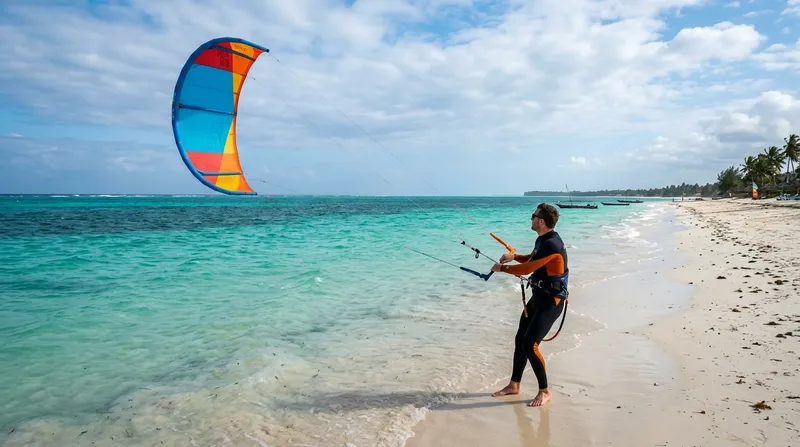
My honest take: don't let a resort upsell you into a "water sports package" that bundles jet skiing with snorkeling. The jet ski traffic near reef areas is a genuine hazard to coral and swimmers, and conservation-minded operators (including the ones running Mnemba trips, which require a marine conservation area fee) keep motorized sports well away from reef zones. If you want kitesurfing, book it separately in Paje; if you want reef time, book a dedicated snorkeling or dive boat.
Most dive centers in Zanzibar are PADI-affiliated, offering everything from Discover Scuba introductory dives (no certification needed, shallow depth, one dive) up through Open Water, Advanced, and specialty courses. A typical Open Water certification course runs three to four days and includes classroom sessions, confined water practice, and four open-water dives. If you're already certified, expect two-tank boat dives as the standard format, with Nitrox often available for an added fee. Compare this to Pemba Island diving, which draws serious divers for its walls and lower crowd density — it's a worthwhile add-on if you have five or more days, though logistics (flight or long boat transfer from Zanzibar) make it a bigger commitment than a Mnemba day trip.
Snorkeling trips to Mnemba Atoll are the most commonly booked option and for good reason — the lagoon's shallow coral gardens are visible without diving deep, and dolphin sightings happen often enough (though never guaranteed) that many tours combine the two. Expect boat transfer times of 30 to 45 minutes from Nungwi or Kendwa. Surface-level alternatives include snorkeling directly off Matemwe's house reef at high tide, which costs nothing beyond gear rental and skips the boat entirely — a good budget option if Mnemba's conservation fee feels steep.
Location determines almost everything about your experience — visibility, crowd levels, marine life, and cost. Zanzibar's dive and snorkel sites cluster around three zones: the northeast (Mnemba, Matemwe), the northwest (Nungwi, Kendwa), and further offshore trips to Pemba or Mafia Island, both reachable as multi-day add-ons rather than day trips.
Mnemba Atoll suits most skill levels and offers the most reliable visibility, while Pemba and Mafia reward divers willing to travel further for quieter water.
Zanzibar diving and snorkeling sites compared by visibility, depth, and skill level
| Site | Typical Visibility | Depth Range | Best For | Access |
|---|---|---|---|---|
| Mnemba Atoll | 15-20m (lower Apr-May) | 2-30m | All levels, snorkelers and divers | Boat, 30-45 min from Nungwi/Kendwa |
| Matemwe Reef | 10-15m | 3-18m | Beginners, photographers | Shore or short boat |
| Nungwi/Kendwa | 10-15m | Shallow shore to 20m boat | Beginners, families | Direct beach access |
| Pemba Channel | 20m+ | 15-40m | Advanced/certified divers | Multi-day trip, boat or flight |
| Mafia Island | 10-20m | 5-30m | Whale shark season divers | Multi-day trip, flight or ferry |
Figures as of 2025 and approximate; visibility varies with monsoon timing and should be confirmed with operators before booking.
Mnemba Atoll is Zanzibar's signature site, protected as a marine conservation area with an entry fee charged per visitor (typically in the $5-10 USD range, paid to the conservation area rather than the tour operator — confirm this is included when you book). The reef here supports dense coral cover and reliable sightings of reef fish, turtles, and occasionally dolphins. Visibility is generally strong, often 15-20 meters in good conditions, though it drops noticeably during the long rains from April to May. The trade-off: this is the most visited site on the island, and peak-season mornings bring multiple boats to the same reef sections.
Matemwe offers a quieter alternative with house reef access and shorter boat rides to outer sites, popular with photographers who want fewer fins churning up sediment. Nungwi and Kendwa serve as the main northern hubs for both dive centers and snorkeling day trips, with easy beach access and the widest choice of operators. For something further afield, Pemba Island's channel diving and Mafia Island's whale shark season (roughly October to March) are worth a multi-day detour if your trip allows five days or more — neither is a realistic day trip from Stone Town.
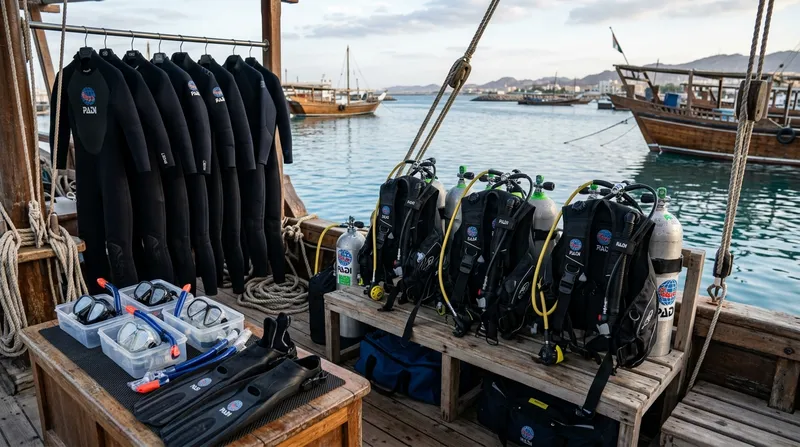
Zanzibar's dive and snorkel market is crowded, and quality varies more than price does. A cheap dive trip with poorly maintained gear and an overcrowded boat isn't a bargain — it's a safety risk. Before booking anything, check how recently reviews were posted on sites like TripAdvisor, not just the overall star rating; a center with great reviews from three years ago may have changed ownership, staff, or equipment since.
Ask directly about group size. A dive boat with six divers and one instructor is a very different experience from one cramming in fourteen. For snorkeling trips, ask whether life jackets are provided as standard or only on request — this matters more than it should, and some operators don't volunteer the information unless asked.
Confirm the dive center is PADI-affiliated (or SSI, the other common standard) and ask to see instructor certification if it isn't posted visibly at the shop. Check what's actually included — tank and weight rental is standard, but wetsuits, Nitrox, and transport from your hotel sometimes cost extra. For multi-day certification courses, confirm whether the course fee includes the PADI certification card processing fee, which is sometimes billed separately.
Weather cancellations happen, particularly during the April-May rains, and a reasonable operator should offer a full refund or reschedule rather than a partial credit. Ask about their emergency protocol — proximity to a recompression chamber matters for serious dive injuries, and Zanzibar's nearest chamber is limited, so established operators should carry oxygen and have an evacuation plan on file. If a dive shop can't answer this clearly, that's a legitimate reason to book elsewhere.
Zanzibar's diving season runs essentially year-round, but conditions shift enough that timing affects what you'll see and how clear the water is. The driest, calmest window runs roughly June through October, coinciding with the kusi (southeast monsoon), when visibility tends to be most consistent and seas are calmer for the Mnemba crossing. December through February offers warmer water and generally good visibility too, though it's also peak tourist season — expect more boats and higher accommodation rates island-wide.
Avoid planning a dive-focused trip for April or May if you can help it. The long rains reduce visibility significantly and some operators scale back trips or close entirely for maintenance. This is also, not coincidentally, when accommodation prices drop across the island — a reasonable trade if diving isn't your main priority and you're comfortable with shorter snorkeling windows between weather systems.
Compare this to other Indian Ocean diving destinations: Mozambique's Bazaruto Archipelago and the Maldives both see similar monsoon patterns, so if you're choosing between Zanzibar and the Maldives for a honeymoon dive trip, the seasonal calculus is similar — just confirm current conditions rather than assuming. Book dive and snorkel trips 1-2 days in advance once you're on the island rather than from home months out; this lets you check actual recent conditions and reviews rather than guessing. Compare current boat tours and prices before you book, and read the most recent reviews rather than the highest-rated ones overall.
Yes, particularly around Mnemba Atoll and Matemwe, where shallow coral gardens sit in clear water accessible without diving gear. It's a strong option for non-divers, families, and anyone short on time — a half-day trip delivers real coral and fish variety without certification or equipment investment.
Mnemba Atoll tops most lists for its coral density and consistent visibility, suiting both newer and experienced divers. For more advanced divers, Pemba Channel offers wall diving and stronger currents, while Matemwe's reef sites are quieter and good for photography.
June through October generally offers the calmest seas and best visibility, during the southeast monsoon. December through February is also solid, with warmer water but heavier tourist traffic. Avoid April and May, when long rains reduce visibility and some operators pause trips.
Expect reef fish in good variety, green turtles, and reasonably frequent dolphin sightings near Mnemba, plus healthy coral cover. Pemba Channel adds a chance of larger pelagic species and stronger drift conditions. Whale sharks are a Mafia Island specialty, not typically seen around Zanzibar itself.
No — Discover Scuba programs let uncertified visitors do a single shallow dive with an instructor. But to join standard two-tank boat trips to sites like Mnemba independently, you'll need Open Water certification, which most centers can also teach on a three-to-four-day course.
Compare Zanzibar fishing trips from budget shared boats to luxury big-game charters. Pricing, seasons, target species and booking tips inside.
8 min read · 8 Oct 2026
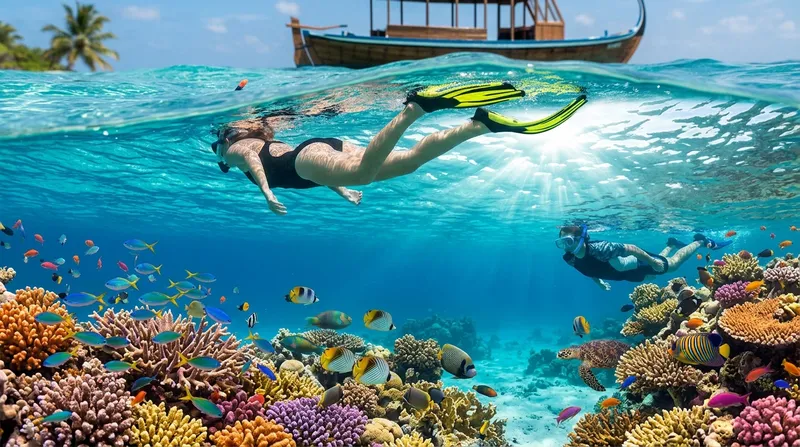
Compare snorkeling and diving in Zanzibar on cost, fitness, marine life, and family suitability. Find which activity suits your trip best.
9 min read · 8 Oct 2026
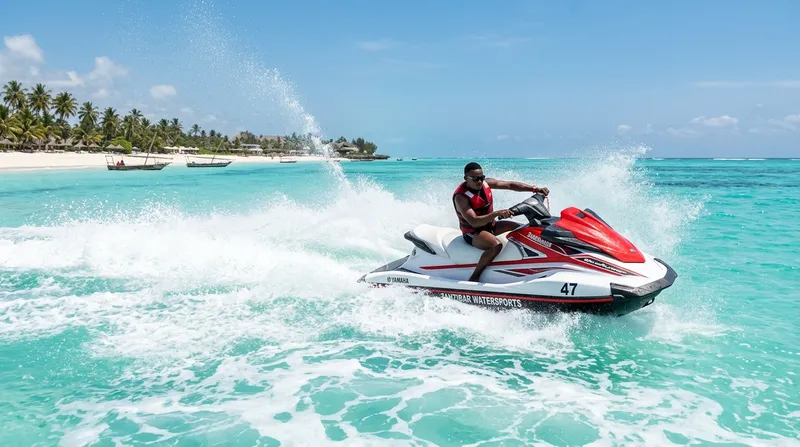
Compare zanzibar jet ski prices, parasailing costs & water sports packages. Find booking options, safety requirements & best beaches at Nungwi & Kendwa.
9 min read · 8 Oct 2026
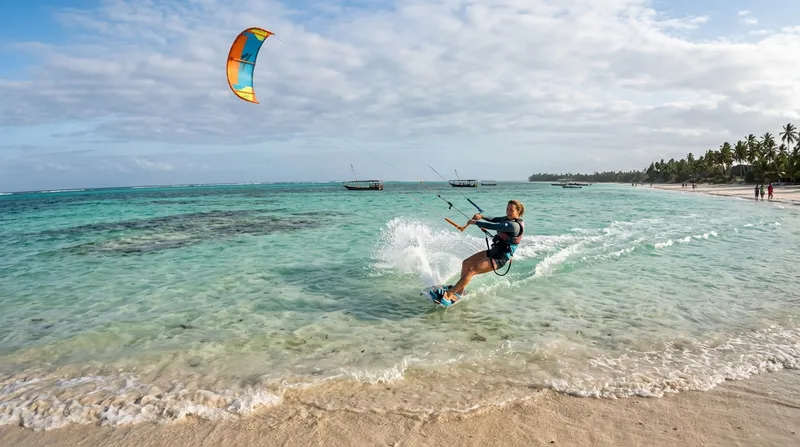
Compare Zanzibar kitesurfing lesson packages by price, duration, and skill level. Learn where to book at Paje and Jambiani beaches, and when to go.
9 min read · 8 Oct 2026
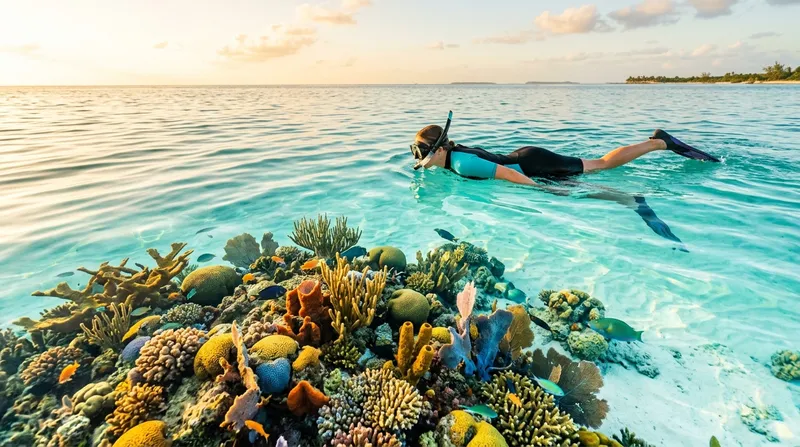
Compare Zanzibar snorkeling tours—reef vs island trips. Get pricing ranges, gear tips, marine life calendar, and honest advice before you book.
8 min read · 8 Oct 2026
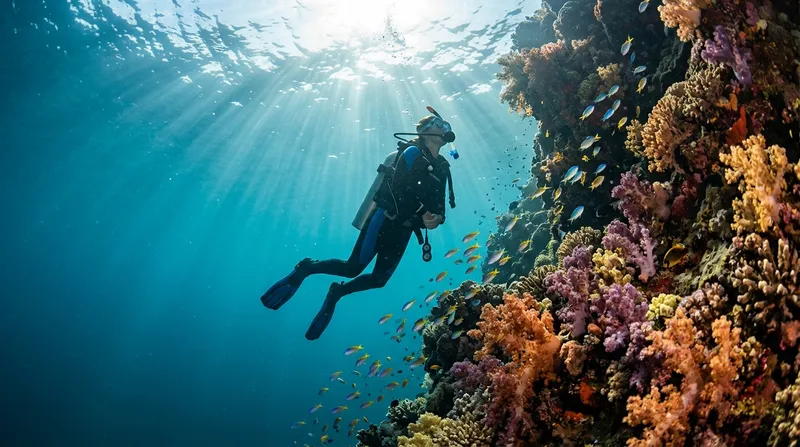
Compare Zanzibar scuba diving tours by certification level, dive sites, and operators. Find pricing ranges, gear quality, safety tips, and booking advice.
8 min read · 8 Oct 2026