Compare snorkeling and diving in Zanzibar on cost, fitness, marine life, and family suitability. Find which activity suits your trip best.
Quick Comparison: Snorkeling vs Diving
Zanzibar's reefs sit close enough to shore that both snorkeling and diving are viable from almost every beach town — Nungwi, Jambiani, Matemwe, Stone Town's day-trip boats. The real question isn't access, it's what you're willing to spend in money, time, and effort for what you want to see.
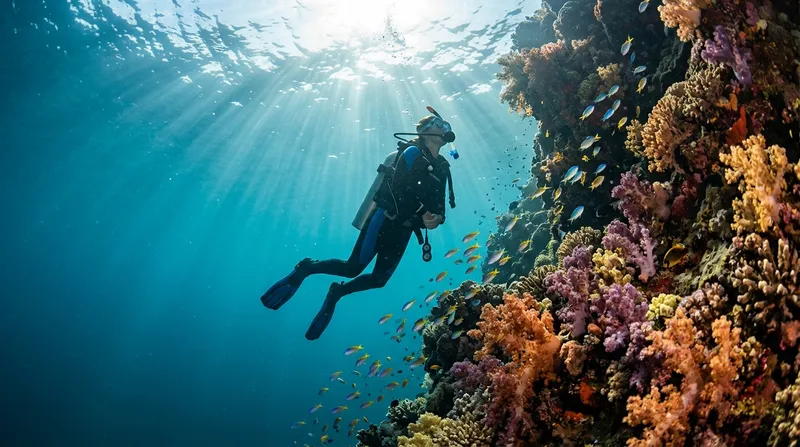
Snorkeling is the lower-commitment option: you rent a mask and fins, float on the surface, and look down into water that's often 10-20 meters deep over the reef flats near Mnemba Atoll. Diving takes you below that surface, down to 12-30 meters on a typical recreational dive, where the coral walls, bigger pelagic fish, and a few wreck sites around Zanzibar's south coast come into view.
I'd argue most first-time visitors overthink this decision. If you've never used scuba gear and you're only in Zanzibar for a week, snorkeling gives you excellent value — turtles, reef fish, sometimes dolphins near Kizimkazi — without burning two full days on certification. Divers who already hold a PADI card have a different calculation entirely, and for them diving is close to mandatory given the quality of sites like Mnemba Wall and Leven Bank.
Snorkeling costs less and needs no training, while diving reaches deeper reef zones and bigger marine life at a higher price and time commitment.
Zanzibar snorkeling vs diving compared: cost, fitness, and marine life access
| Activity | Typical Cost (half/full day) | Training Needed | Depth Range | Best For | Marine Life Access |
|---|---|---|---|---|---|
| Snorkeling (Mnemba/Jambiani) | Approx. $25-60 | None | Surface to 3m | Families, beginners, short trips | Reef fish, turtles, soft corals |
| Discover Scuba (intro dive) | Approx. $70-120 | Few hours briefing | Up to 12m | Curious first-timers | Reef walls, moderate fish life |
| PADI Open Water course | Approx. $350-500 | 3-4 days | Up to 18m | Travelers wanting a certification | Full reef access, basic wrecks |
| Certified diver (2-tank trip) | Approx. $90-140 | Existing certification | 12-30m | Experienced divers | Walls, pelagics, wreck sites |
Figures as of 2025, approximate and subject to operator and season; always check current prices before booking.
What each activity involves
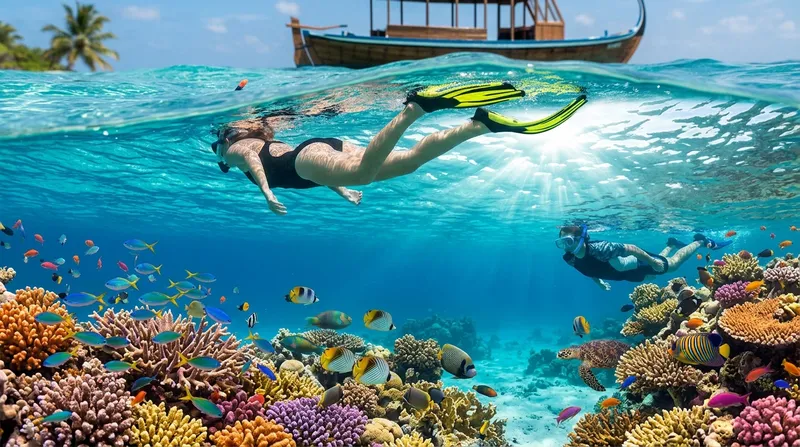
Snorkeling requires no course and almost no gear beyond what the boat operator provides — mask, snorkel, fins, sometimes a life jacket. You swim at the surface, duck-diving if you want a closer look, breathing through the tube the entire time. Most Zanzibar snorkeling trips are boat-based day tours, typically 3-5 hours including transit to Mnemba Atoll or the reef off Jambiani.
Diving involves a tank, regulator, buoyancy vest, and either a certification card or a short introductory course called a Discover Scuba dive, run by an instructor in shallow water before you're taken deeper. A typical two-tank dive day runs 4-6 hours including the boat ride, a surface interval between dives, and a briefing on each site's depth and currents.
Time and effort required
A snorkeling trip needs zero preparation — you can book it the day before and show up. Diving needs more lead time if you're not certified: a PADI Open Water course in Zanzibar generally runs three to four days, mixing classroom sessions, pool practice, and open-water dives. If you're short on time, that's the deciding factor right there. Spending half your trip in a classroom isn't appealing to everyone, and I wouldn't recommend cramming certification into a 5-day beach holiday unless diving is the actual priority.
Cost: What You'll Actually Pay
Money is usually the fastest way to settle this debate. Snorkeling in Zanzibar is cheap relative to almost any other Indian Ocean destination — a half-day boat trip to Mnemba Atoll with gear included generally costs a fraction of what the Maldives charges for a comparable excursion, since Zanzibar's reef access doesn't require the resort-island markups common there. Diving costs more because it involves tanks, compressors, and a instructor-to-client ratio that snorkeling doesn't need.
Snorkeling tour pricing
Expect to pay in the range of $25-60 for a half or full-day snorkeling tour, usually bundled with a boat ride to Mnemba Atoll, a seafood lunch, and sometimes a stop at a sandbank. Prices vary by departure point — trips from Nungwi or Matemwe tend to be closer to Mnemba and slightly cheaper than tours originating in Stone Town, which involve a longer transit. Gear rental is almost always included; if it isn't, that's a red flag worth asking about before you pay. Compare current snorkeling tours and prices on platforms like GetYourGuide or check reviews on TripAdvisor before booking, since operator quality varies more than the price does.
Diving certification and dive costs
A PADI Open Water certification course in Zanzibar typically runs $350-500, covering materials, pool sessions, and four open-water dives over three to four days. If you're already certified, a two-tank dive day usually costs $90-140, with multi-dive packages bringing the per-dive price down. Discover Scuba introductory dives — no certification required — sit around $70-120 for a single supervised dive to roughly 12 meters. None of this is cheap compared to snorkeling, and if you're only going to dive once in your life, the certification cost rarely pays for itself in a single trip.
Fitness, Training, and Certification
Snorkeling demands almost nothing physically — you need to float, kick gently, and breathe through a tube, which most reasonably fit adults and older children manage within minutes. Diving is a different commitment: you're managing buoyancy, equalizing pressure in your ears, monitoring air supply, and staying calm at depth, all of which require actual training, not just enthusiasm.
Physical requirements for each
For snorkeling, basic swimming competence and comfort with a mask on your face are really the only requirements. Anyone with a mild fear of open water might still struggle psychologically even in shallow conditions, so a flotation vest is worth requesting if you're unsure. Diving requires you to pass a basic health questionnaire, demonstrate controlled breathing underwater, and clear your ears as pressure increases — something that trips up more people than you'd expect, particularly those with colds or sinus congestion on the day.
Age limits and medical considerations
Most Zanzibar snorkeling operators accept children from around age 6-8 with a life vest, though check with the operator directly since practices vary. PADI's Junior Open Water certification allows children as young as 10, with depth restrictions until age 15. Anyone with asthma, a collapsed lung history, heart conditions, or recent ear surgery should get medical clearance before diving — this isn't a formality, it's a genuine safety requirement that reputable dive centers in Zanzibar will enforce before letting you in the water.
Marine Life and Visibility
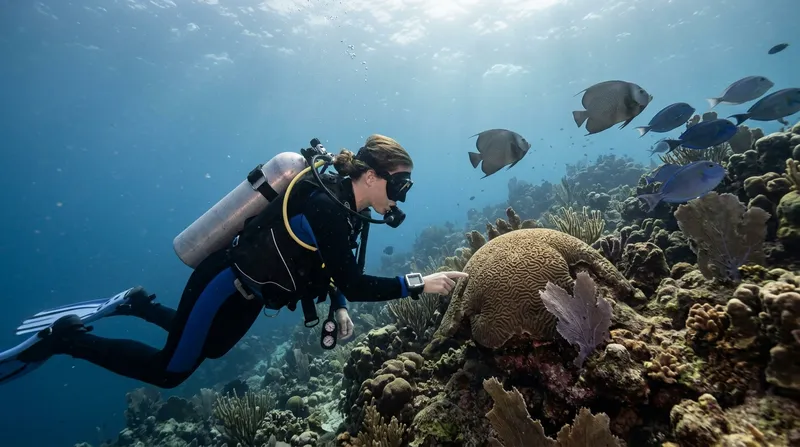
Water clarity in Zanzibar is generally excellent, with visibility often reaching 15-30 meters around Mnemba Atoll during calm months, rivaling conditions divers rave about in the Maldives. But clarity alone doesn't decide which activity wins — it's about what's actually living at each depth.
What you'll see at each depth
Snorkelers floating over Zanzibar's shallow reef flats typically see parrotfish, butterflyfish, clownfish, sea turtles, and extensive coral gardens in the top few meters, where sunlight is strongest and colors are most vivid. Divers descending past 10 meters start encountering larger reef fish, occasional reef sharks, eagle rays, and the steeper coral wall formations that don't exist in shallow water. Dolphins are occasionally spotted from the boat on the way to Mnemba, a bonus neither activity guarantees. If vivid color and coral detail matter more to you than scale and depth, snorkeling is arguably the better photography environment — natural light fades fast below 10 meters without a dive light.
Best sites for each activity
Mnemba Atoll is the standout for both activities, though it functions differently depending on your gear — shallow lagoon sides for snorkelers, drop-offs and walls for divers. Jambiani and Matemwe offer calmer, shallower reef access better suited to snorkeling and beginner-friendly conditions. Leven Bank and the wreck sites off Zanzibar's southern coast are diving-only territory, too deep and current-prone for snorkelers. If you're weighing Zanzibar against Pemba Island, Pemba's channel walls are considered some of the best diving in the region — deeper, less crowded, but a longer and pricier trip to reach than Mnemba.
Who Should Choose Which Activity
This is less about skill and more about what you actually want from your week in Zanzibar. Some travelers want an easy afternoon on the water; others are planning their trip around the diving.
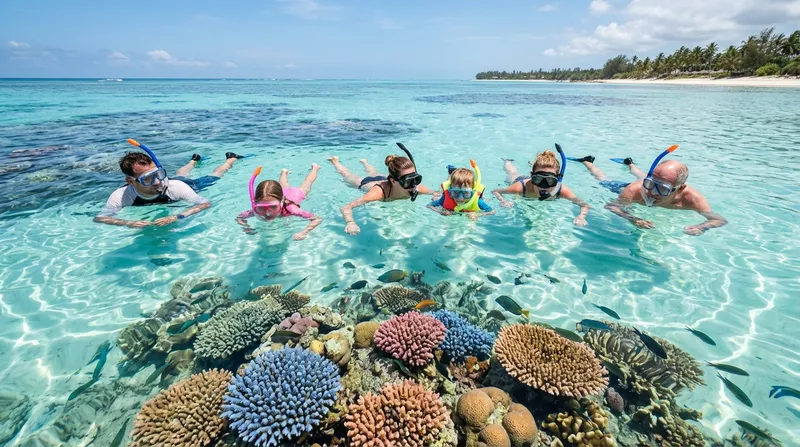
Snorkeling for families and beginners
Families with children, first-time visitors to the Indian Ocean, and anyone short on vacation days should book snorkeling. It fits into a single afternoon, costs less, and doesn't carry the medical screening or decompression concerns diving does. Couples and honeymooners who want an easy, photogenic outing without logistics headaches tend to prefer it too — a Mnemba Atoll snorkeling trip pairs naturally with a sandbank picnic, which most tour operators build into the day anyway.
Diving for experienced adventurers
If you already hold a PADI certification, or you're the type of traveler who plans trips around dive sites rather than beaches, Zanzibar diving is genuinely worth it — the wall dives and wreck sites deliver on the investment. Solo travelers and photographers chasing specific species (reef sharks, eagle rays) should prioritize diving over snorkeling, since the shallow reef flats simply don't hold those animals reliably. Senior travelers in good cardiovascular health shouldn't rule diving out, but should get a dive medical check first — age alone isn't the barrier, underlying heart or lung conditions are.
Final Verdict
Book snorkeling if this is your only Indian Ocean trip this year, you're traveling with kids, or you want to see Zanzibar's reef in a single low-cost afternoon. Book diving if you're certified already, want to add Zanzibar dive sites to a wider diving itinerary that might include Pemba Island or Mafia Island, or you're willing to spend three extra days and a few hundred dollars getting certified specifically because this destination's walls and wrecks are worth it to you.
Don't do what a lot of undecided travelers do: booking an Open Water course on a whim with only two days left in the trip. Rushed certification dives feel stressful rather than enjoyable, and you'll likely skip the better sites because you're still mastering buoyancy control. Compare current snorkeling and diving tours and prices before you book, and be honest with yourself about how much time you actually want to spend underwater versus on the beach at Jambiani with a cocktail.
Frequently asked questions
How much does snorkeling and diving cost in Zanzibar?
Snorkeling day trips typically cost $25-60 including gear, boat transport, and often lunch. Diving costs more: a Discover Scuba intro dive runs roughly $70-120, a two-tank dive for certified divers is around $90-140, and a full PADI Open Water certification course costs approximately $350-500 over three to four days. Always confirm current prices with the operator before booking, since they shift with season and fuel costs.
Which is harder, snorkeling or scuba diving?
Scuba diving is harder in every practical sense — it requires certification, equalizing ear pressure, buoyancy control, and monitoring air supply underwater. Snorkeling only requires basic swimming ability and comfort breathing through a tube at the surface. Anyone reasonably fit can snorkel within minutes of getting in the water; diving takes a multi-day course to do safely and legally.
What marine species can you see in Zanzibar?
Expect parrotfish, butterflyfish, clownfish, sea turtles, and dense coral coverage in shallow snorkeling zones around Mnemba Atoll and Jambiani. Divers going below 10-15 meters regularly encounter larger reef fish, occasional reef sharks, eagle rays, and steeper coral wall formations. Dolphin sightings happen from boats near Kizimkazi but aren't guaranteed on either activity.
Is Zanzibar diving worth it?
Yes, if you're already certified or genuinely want to be — Mnemba Wall and Leven Bank hold up well against other Indian Ocean dive destinations, and costs are lower than Maldives diving. It's less worth it if you're only mildly curious and have limited time, since a Discover Scuba session only reaches about 12 meters and gives a diluted sense of what full certification unlocks.
When is the best time to snorkel or dive in Zanzibar?
The calmest water and best visibility generally occur from June to October and January to February, avoiding the long rains in April and May when rough seas and reduced visibility are common. Both activities run year-round, but boat trips to Mnemba Atoll get canceled more often during heavy wind and rain months, so build flexibility into your itinerary if you're visiting outside the dry season.