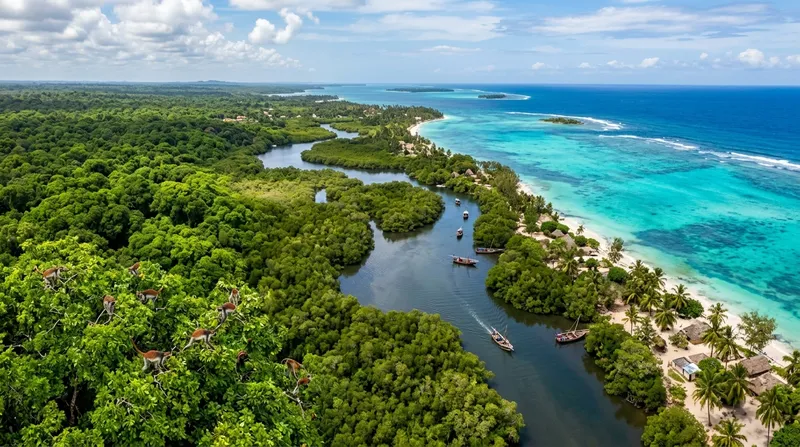
Zanzibar Nature Itinerary: 3 Days Wildlife & Green Spaces
A 3-day Zanzibar nature itinerary covering Jozani Forest, Prison Island, mangroves and marine life. A practical eco-travel route with real logistics.
9 min read · 8 Oct 2026
Tours & activities
Compare Zanzibar spice farm tours by type, duration, and value. Find the best tour for foodies, families, and nature lovers with our booking guide.
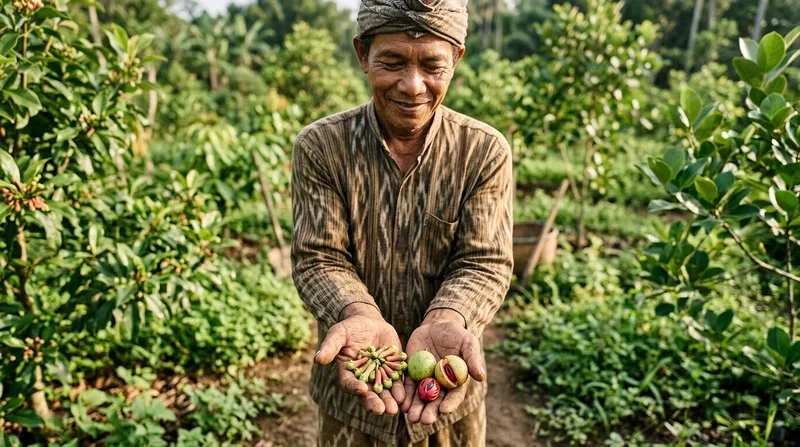
Zanzibar earned the nickname "Spice Island" for good reason — clove exports once made it one of the wealthiest trading ports on the Swahili coast, and the plantations that grew from that trade are still working farms today. A Zanzibar spice tour takes you through rows of cloves, nutmeg, cinnamon, vanilla vines, and cardamom, usually with a guide who breaks open pods, crushes leaves, and hands you things to smell and taste as you walk.
The catch is that "spice tour" covers a wide range of experiences, from a 90-minute stop bolted onto a bigger excursion to a half-day farm walk with lunch cooked over an open fire. Prices, group sizes, and guide quality vary more than most travelers expect before they land in Stone Town. This guide breaks down the actual categories on offer, who each one suits, and what to check before you hand over your money on GetYourGuide, Viator, or through your hotel desk.
Not every traveler gets the same value from a spice farm visit. If you've already done a plantation tour in Bali or a cacao farm walk in Central America, Zanzibar's version will feel familiar in structure but distinct in content — this is the only place most visitors will see cloves growing on the tree, since Zanzibar and Indonesia supply the bulk of the world's cloves. That novelty matters for photographers and anyone curious about food origins; it matters less if you're simply after a beach day.
If you cook with these spices at home, seeing nutmeg's lacy red mace casing or snapping open a vanilla pod changes how you think about them. Look for tours at farms like Zanzibar Spice Farm or Siso Spice Farm that include a cooking demonstration or a tasting of spice-infused dishes, not just a walk-and-point. Ask in advance whether lunch is included and what's in it — pilau rice cooked with cloves and cardamom is the usual highlight, and it's worth the extra hour.
Kids generally enjoy this more than parents expect — the sensory stuff (crushing leaves, tasting raw ginger, trying on a "spice hat" woven from palm leaves at the end) keeps attention better than a museum or ruin would. Stick to half-day options with a smaller group; a three-hour version avoids midday heat and naptime meltdowns. Avoid the longest full-day combination tours with young children unless they're used to walking on uneven ground for extended periods — paths are dirt, sometimes muddy after rain, with exposed roots.
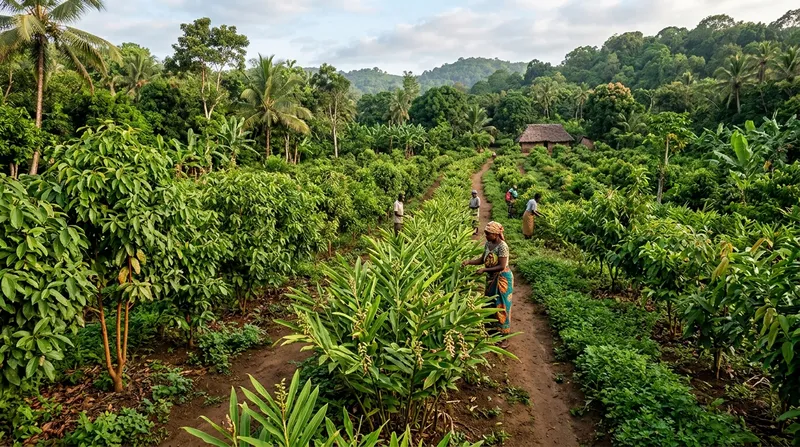
Nearly every spice tour in Zanzibar falls into one of two structural choices: how you move through the farm, and how much time you spend there. Understanding both axes helps you filter listings on Viator or TripAdvisor faster than reading twenty reviews.
A "walking farm tour" is typically a looser, informal visit — you follow a local guide (often a farm worker rather than a trained tour guide) through mixed crops, stopping wherever something's in season. These tend to run smaller and cheaper, sometimes booked directly at the farm gate near Bububu rather than online. A "guided plantation visit" is the more structured, pre-booked version sold on GetYourGuide or through companies like Shadows of Africa or Johnny Africa, with a set route, a trained English-speaking guide, and usually a tasting table and gift shop at the end.
The trade-off: walking tours feel more authentic and less scripted, but guide English and depth of explanation vary a lot. Guided plantation visits are more consistent and easier to book with confidence, but you'll often share the path with two or three other vehicles' worth of tourists arriving at the same time.
Half-day spice tours run roughly two to four hours and usually include transport from your hotel, the farm walk, a tasting session, and sometimes a stop at a local market or a nearby beach for an hour. Full-day versions stretch to six or seven hours and commonly bundle in a Stone Town walking tour, lunch, and occasionally a visit to a historic site tied to the clove trade, since many plantations sit within a 20-30 minute drive of the city. Full-day tours offer better value per hour but demand more stamina, especially in humidity that regularly sits above 75% from March through May.
Reviews on TripAdvisor and Viator for Zanzibar spice tours cluster around a few recurring complaints: rushed tastings, guides who speak limited English, and farms that feel more like souvenir stops than working plantations. Reading the three most recent one- and two-star reviews before booking tells you more than the overall rating does.
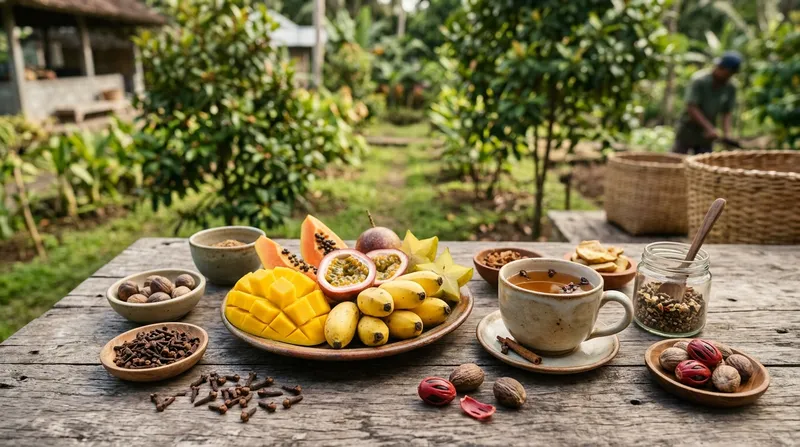
Confirm exactly what's included before paying — "tasting" can mean a generous spread of tropical fruit and spiced tea, or it can mean a single clove passed around the group. Ask specifically whether lunch is included or extra, since full-day tours sometimes list lunch as "available for purchase" rather than bundled. Many farms end with a small shop selling vanilla pods, dried spices, and essential oils; prices here are generally fair and support the farm directly, but don't feel pressured — it's optional, not part of the tour price.
Group size affects your experience more than almost any other factor. A group of six or fewer means you can actually ask questions and get time with each spice sample; a group of twenty means you're mostly listening from the back. Private tours cost more but solve this entirely — worth it for photographers who want time to compose shots without a crowd, or for seniors who need a slower pace. When checking listings, look for mentions of guide training or farm ownership — tours run directly by farm families (common at smaller operations near Bububu) often give more detailed, specific answers than guides contracted through a larger tour company.
Spice farms operate year-round since Zanzibar's climate keeps most crops producing in some form every month, but timing still affects comfort and what you'll actually see growing.
The long rains fall roughly April through May, when paths get muddy and some farms scale back tours — not ideal, though plants are lush and green for photos. June through October is drier and cooler, generally the most comfortable window for walking tours. December through February is hot and more humid, still workable in early morning slots. Clove harvest typically happens twice a year, around July-August and a smaller round in December-January — if you want to see active harvesting rather than just mature trees, time your visit around those windows.
Spice tours rarely sell out the way Mnemba Atoll snorkeling trips or sunset dhow cruises do, so you don't need to book months ahead. That said, booking at least 24-48 hours in advance through GetYourGuide or Viator locks in a published price and lets you check recent reviews rather than negotiating on the spot with a street tout in Stone Town — a common approach that sometimes leads to inflated prices or farms with weaker guiding. If you're combining the tour with a full-day Stone Town UNESCO World Heritage Site walk, book both in the same morning rather than splitting across two separate days to save a vehicle transfer.
Use the table above as a quick filter, then narrow by reading two or three recent reviews from travelers with a similar trip style to yours — families should check family-specific comments, photographers should look for mentions of lighting and crowding. None of these categories is objectively "best"; a walking farm tour booked at the gate costs less and feels looser, but a pre-booked guided plantation visit is more predictable if you're short on time or traveling with people who get anxious about unplanned logistics. Compare current spice tours and prices on GetYourGuide or Viator before you book, and cross-check the operator's rating on TripAdvisor separately — ratings don't always match across platforms.
Half-day guided plantation tours offer the best balance of structure and cost for most first-time visitors, while full-day combination tours suit those short on days in Zanzibar.
Zanzibar spice tour types compared: duration, group size, and inclusions
| Tour Type | Typical Duration | Group Size | Typical Inclusions | Best For |
|---|---|---|---|---|
| Walking farm tour (local/informal) | 1.5-2.5 hours | Small, often under 8 | Farm walk, tastings | Budget travelers, repeat visitors |
| Guided plantation tour (booked online) | 2.5-4 hours | Medium, 8-15 | Transport, guide, tastings, sometimes lunch | First-timers, families |
| Full-day spice + Stone Town combo | 6-7 hours | Medium, 8-20 | Transport, guide, lunch, Stone Town walk | Time-limited travelers, couples |
| Private/custom spice tour | 2-5 hours, flexible | 1-6 (private) | Transport, dedicated guide, flexible stops | Photographers, honeymooners, seniors |
Figures as of 2024; durations and group sizes vary by operator and season — check current listings before booking.
Yes, for most first-time visitors — it's inexpensive relative to other Zanzibar excursions like Mnemba Atoll snorkeling trips, takes half a day or less, and gives genuine insight into an industry that shaped the island's history. It's less essential if you've done a similar plantation tour elsewhere (Bali's spice gardens cover similar ground) or if you're only in Zanzibar for two or three days and prioritize beach time.
Most run two to four hours including hotel transport, which fits well into a morning. Full-day versions combining a Stone Town walk or lunch stretch to six or seven hours. Choose based on how much else you want to pack into the day — pairing a spice tour with an afternoon beach stop is common and easy to arrange.
Expect cloves, nutmeg, cinnamon (bark and leaf), cardamom, black pepper, vanilla vines, ginger, turmeric, and often lemongrass. Most farms also grow tropical fruit — jackfruit, starfruit, and breadfruit are common — and guides usually offer tastes of whatever's in season.
Generally yes. The hands-on tasting and the end-of-tour spice hat demonstration tend to hold kids' attention well. Choose a shorter half-day option and bring water and sun protection, since paths are uneven dirt with limited shade in places and midday heat can be tough for young children.
Yes — the most common pairing is a Stone Town walking tour, since many spice farms sit a short drive from the city and full-day combination packages are widely available. Some operators also pair spice tours with a Prison Island or beach stop; check the itinerary carefully, as combination days can run long with multiple transfers.
A 3-day Zanzibar nature itinerary covering Jozani Forest, Prison Island, mangroves and marine life. A practical eco-travel route with real logistics.
9 min read · 8 Oct 2026

Visit Zanzibar's turtle sanctuary for swimming, feeding, and conservation experiences. Learn about tickets, tours, ethical guidelines, and nearby attractions.
9 min read · 8 Oct 2026

Planning a Zanzibar mangrove kayak tour? Get routes, wildlife, pricing ranges, fitness needs and booking tips before you paddle the channels.
9 min read · 8 Oct 2026
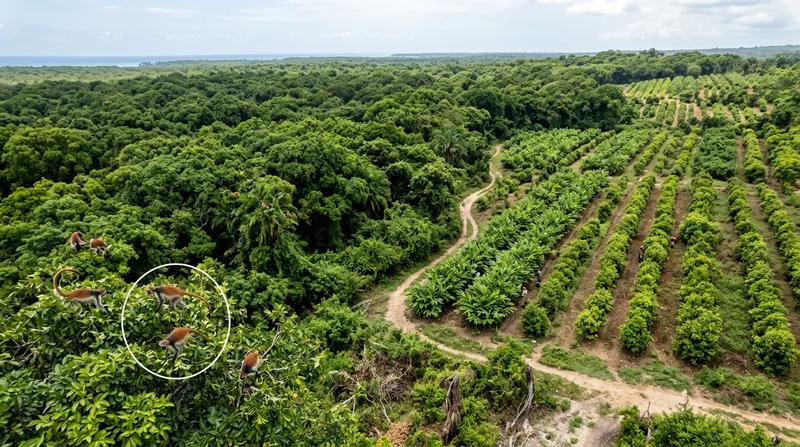
Zanzibar spice tour vs Jozani Forest compared: duration, cost, crowds, and effort — practical guidance on which to book first, or how to combine both.
8 min read · 8 Oct 2026
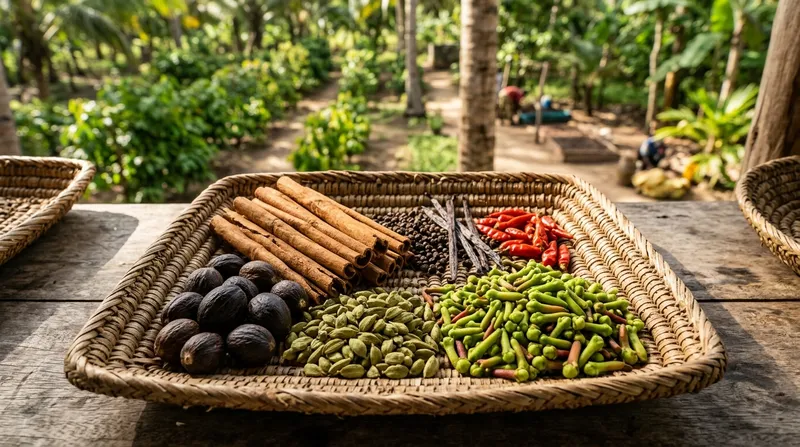
Compare the best Zanzibar spice farm tours by price, tasting quality, and cooking classes. Find ethical operators, what's included, and booking tips.
7 min read · 8 Oct 2026

Plan your Jozani Forest tour in Zanzibar. Entry fees, guided tour options, best times to spot red colobus monkeys, and practical visitor tips.
9 min read · 8 Oct 2026