Zanzibar spice tour vs Jozani Forest compared: duration, cost, crowds, and effort — practical guidance on which to book first, or how to combine both.
Quick Comparison: Spice Tour vs Jozani
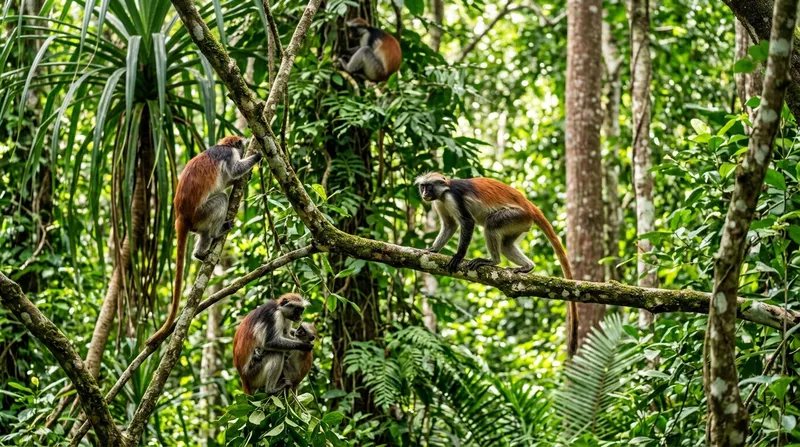
Both sit near the top of every "best Zanzibar day tours" list, and for good reason — they're the two most-booked inland excursions on Unguja Island, usually arranged as half-day trips from Stone Town. But they solve different problems. A spice tour is about smell, taste, and the island's agricultural history; Jozani Forest is about seeing a genuinely rare animal, the red colobus monkey, found almost nowhere else on earth outside this reserve.
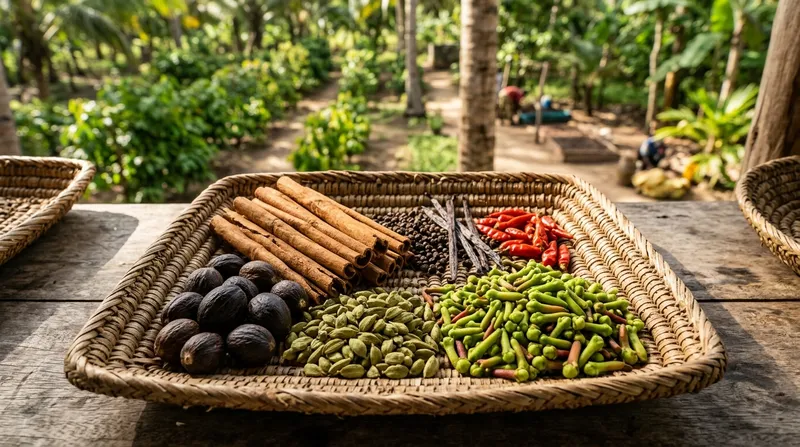
If you're deciding which to book first, think about what pulls you more: cultural context or wildlife. Spice farms walk you through clove, nutmeg, cardamom, and vanilla plantations, usually with a guide cracking open pods and rubbing leaves between his fingers so you can guess the scent. It's hands-on and conversational. Jozani, by contrast, is a managed nature reserve with boardwalk trails through mahogany forest and mangrove swamp, where guides are quieter and more focused on tracking monkey troops than talking.
Neither is physically demanding, but Jozani asks a little more patience — you're waiting for animals to move into view, not having samples handed to you. Spice tours are more reliably "productive" in the sense that something interesting happens every few minutes.
Jozani Forest is shorter and wildlife-focused, while the spice tour runs longer and centers on hands-on cultural experience.
Zanzibar spice tour vs Jozani Forest: duration, cost, and effort compared
| Experience | Typical Duration | Typical Cost (per person) | Physical Effort | Best For | Crowd Level (peak season) |
|---|---|---|---|---|---|
| Zanzibar Spice Tour | 2-3 hours | $15-30 | Low, flat dirt paths | Families, food lovers, history fans | Moderate to high |
| Jozani Forest | 45 min-1.5 hours | $10-15 | Low, boardwalk trails | Photographers, wildlife lovers | High mid-morning, lower at opening |
| Combined Combo Day | 6-7 hours total | $25-45 | Low-moderate, cumulative | Time-limited first-timers | Varies by start time |
Figures approximate as of 2024; park fees and tour pricing change periodically, so confirm current rates when booking.
What you'll see and do
On a spice farm tour, expect a guided walk through smallholder plots growing cloves, black pepper, cinnamon bark, turmeric root, and vanilla vines trained up trees. Guides typically demonstrate use of each plant, sometimes weaving quick souvenir items like bracelets or hats from palm leaves. Most tours end with a small tasting — tropical fruit depending on season — and an optional stop at a stall selling packaged spices. At Jozani Forest, you walk a flat, well-marked boardwalk through old-growth forest, spotting red colobus monkeys that are often at eye level and unbothered by visitors, then continue into a mangrove boardwalk section where the terrain and plant life shift completely within twenty minutes.
Best for which traveler type
Spice tours suit people who like a narrative — history of the clove trade, colonial-era plantation economics, the connection between Zanzibar's export wealth and Stone Town's old merchant houses. Families with curious kids tend to enjoy the interactive, tactile nature of it. Jozani suits photographers and nature lovers more directly, since the payoff is visual and immediate: a troop of monkeys fifteen feet away, visible without binoculars. Senior travelers generally find both manageable, though Jozani's flat boardwalk is slightly easier underfoot than the uneven dirt paths on some spice farms.
Duration, Cost, and Physical Effort
Neither tour is a major time or money commitment, which is exactly why so many visitors end up doing both — the question is really about sequencing, not exclusivity.
Time commitment and pace
A standard spice farm tour runs roughly 2 to 3 hours, including transport time from Stone Town, which is usually 15 to 25 minutes each way depending on which farm you're assigned. The walking itself is unhurried — plantation paths are flat dirt tracks, and guides stop frequently to demonstrate plants, so total walking distance rarely exceeds 2 kilometers. Jozani Forest tour duration is shorter and more fixed: expect 45 minutes to 1.5 hours total, split between the monkey forest section and the mangrove boardwalk. There's less flexibility here because entry is managed by the Jozani-Chwaka Bay National Park authority with set group departures along the trail.
Budget considerations
Zanzibar spice farm cost typically falls in the $15–30 per person range for the tour itself, sometimes bundled with transport; add a few dollars if you want to buy packaged spices or a woven souvenir at the end. Jozani Forest entry fees are separately regulated and generally sit around $10–15 per person for international visitors, often payable at the gate regardless of whether you arrange a private guide or join a group. Compare that to a half-day Stone Town walking tour, which usually costs less than either, or a Mnemba Atoll snorkeling trip, which runs considerably higher due to boat costs. Always check current prices when booking, since park fees and tour rates shift year to year — but as a rule, doing both in one day costs less combined than two separate half-day bookings on different days, because you split one transport cost.
Crowds and Best Times to Visit
Crowd levels change the character of both experiences more than people expect. A spice farm with fifteen people trailing a guide feels like a school trip; the same farm with four people feels like a conversation. Jozani suffers similarly — monkeys don't perform for crowds, and a large group tends to spook smaller troops further into the canopy.
Peak season vs shoulder season
July through September and the December–January holiday window are Zanzibar's busiest months, pulling the largest crowds to both sites. Shoulder months — June, or late October into November — offer noticeably thinner crowds and often better light for photography, though November can bring short rains that make Jozani's mangrove boardwalk slippery. The long rains from March to May are quiet everywhere, including at Jozani, but some spice farms reduce staff and a few plants are less visually interesting outside harvest windows for cloves (roughly July to December) and vanilla (varies, but often earlier in the year).
Group sizes and experience quality
If you book through a hotel desk or walk-up tour operator in Stone Town, group sizes can swell to 15–20 people during peak months at busier spice farms. Smaller, independently arranged tours — or early morning slots before 9am — keep groups closer to 6–8 people. At Jozani, arrive right at opening (typically around 7:30am) to get ahead of the tour bus wave that builds through mid-morning; monkeys are also more active and visible in the cooler early hours, which matters more here than at the spice farm, where shade keeps things comfortable most of the day.
Who Should Choose Each Experience
Not every traveler needs both, and admitting that is more useful than pretending every Zanzibar itinerary must include every activity.
Spice tour ideal for
Choose the spice tour first if you're interested in Zanzibar's trade history, enjoy cooking, or are traveling with kids who like hands-on demonstrations more than quiet wildlife-watching. It also pairs naturally with a Stone Town walking tour, since both cover the same colonial and trade-era history from different angles. Couples who want a relaxed, low-effort morning before heading to the beach often prefer this over Jozani's earlier start time.
Jozani Forest ideal for
Choose Jozani first if wildlife and photography are the priority, or if you're short on time and want maximum payoff per hour spent. It's also the better call for travelers who've already done a similar spice or market tour elsewhere — in Bali's rice terraces and spice gardens, for instance — and want something Zanzibar does differently. Nature lovers comparing options against Pemba Island's forest reserves or Mafia Island's marine park will find Jozani more accessible and far less logistically complex, since it needs no boat transfer.
Should You Do Both in One Day?
A spice farm and Jozani combo is one of the most commonly offered day trips out of Stone Town, and it works logistically because both sites sit along the same southeastern route out of town, roughly 30–45 minutes apart by road.
Combo tour logistics
Most combined itineraries start with the spice farm in the morning, break for lunch — often a seafood platter at a beachside restaurant near Jozani or further south toward Paje — then finish with Jozani Forest in the early afternoon. This order works better than the reverse because monkeys are most active early, so starting at Jozani risks either rushing the spice tour afterward or missing peak monkey activity if you do spices first. If wildlife is your priority within a combo day, push to flip the order and accept a less leisurely spice tour.
Time and energy trade-offs
Combined, expect a 6 to 7 hour day door-to-door, including transport and lunch — long enough that it eats your entire day and rules out beach time or a Mnemba Atoll excursion on the same date. For travelers with only 4 or 5 days total on Unguja Island, that trade-off is worth weighing carefully. Honeymooners and travelers prioritizing relaxation often regret cramming both in; splitting them across two half-days, with a beach morning or afternoon attached to each, tends to feel less rushed.
Frequently asked questions
How long does a Zanzibar spice tour take?
Most spice farm tours run 2 to 3 hours including round-trip transport from Stone Town, which typically adds 15 to 25 minutes each way. The walking portion itself is unhurried and rarely covers more than 2 kilometers, with frequent stops for plant demonstrations and tastings.
Is Jozani Forest worth visiting?
Yes, particularly for wildlife and photography — it's one of the only places on earth to reliably see wild red colobus monkeys at close range, often within a few meters on the boardwalk trail. The mangrove section adds a second, quite different ecosystem within the same short visit, which makes the modest entry fee worthwhile.
Can you do spice tour and Jozani on the same day?
Yes, and it's a commonly booked combo since both sites lie along the same southeastern route from Stone Town, about 30-45 minutes apart. Expect a 6-7 hour day including lunch and transport, which leaves little time for beach activities afterward.
Which tour is better for families with kids?
The spice tour generally works better for younger children because it's interactive — guides let kids smell, touch, and sometimes taste spices, and sessions often include a quick palm-leaf weaving demonstration. Jozani is better suited to kids old enough to stay quiet and patient while watching monkeys, roughly age 6 and up.
What's the difference in cost between the two?
Spice tours typically cost $15-30 per person, sometimes including transport, while Jozani Forest entry runs around $10-15 per person paid at the park gate. Booking both on a single combo day usually costs less overall than arranging two separate outings, since you share one transport fee.