Compare the best Zanzibar spice farm tours by price, tasting quality, and cooking classes. Find ethical operators, what's included, and booking tips.
Who spice farm tours suit best
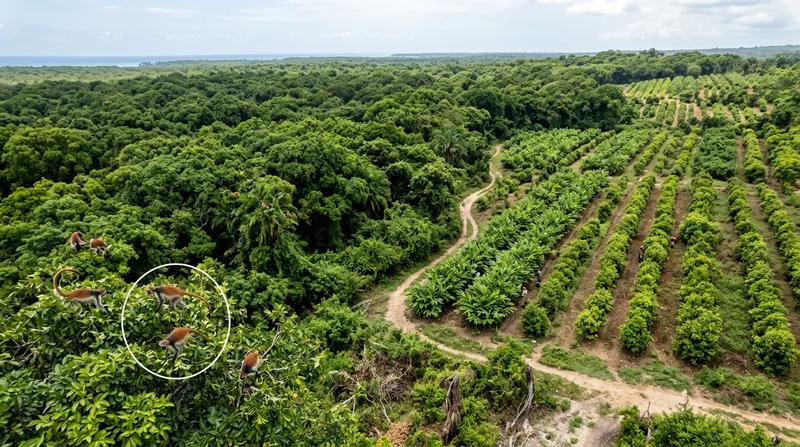
Zanzibar's spice farms sit inland, mostly around Kizimbani, a 20 to 30-minute drive from Stone Town, and the tours built around them are one of the island's most consistently booked half-day activities. That's not an accident — the format works for almost everyone except people who want pure beach time. If you're weighing this against an afternoon at Mnemba Atoll or a snorkeling trip, know that spice tours are a different kind of experience entirely: cultural and culinary rather than aquatic.
The best spice farm tours suit curious eaters, people traveling with kids who like hands-on activities, and anyone who wants a break from sun and sand without leaving Unguja island. They're also a sensible rainy-season option, since much of the walk happens under tree cover. I'd steer solo travelers on a tight schedule toward the half-day version rather than the full-day cooking class — you get 80% of the value in half the time.
Best for food enthusiasts and cooking learners
If you cook at home and want to actually use what you learn, prioritize tours with a cooking class add-on over a bare-bones tasting walk. You'll handle fresh turmeric root, grind cardamom pods, and usually help prepare a Zanzibari pilau or coconut curry eaten as lunch. Expect this version to run four to six hours rather than two to three. It suits people who found Bali's rice-paddy cooking classes a highlight of that trip — the format is comparable, just built around clove and nutmeg instead of lemongrass and galangal.
Best for cultural immersion and photography
Photographers get genuinely good material here — hillside plantings of cardamom vines, clove trees mid-harvest, and the informal theater of a guide weaving you a hat from palm leaves while explaining vanilla pollination. Morning light (tours starting 8:30–9:30am) beats the midday slot for shooting, since the farm canopy gets harsh and flat by noon. If cultural context matters to you, ask in advance whether the guide is from the farming community itself; the better operators employ local growers as guides rather than Stone Town agency staff reading from a script.
Top spice farm tour categories
There are really only two formats worth comparing, and the difference is time and food, not location — most tours draw from the same cluster of farms near Kizimbani regardless of which agency sells the ticket.
Full-day cooking-class tours cost roughly double a basic half-day tasting walk but add a cooked lunch and smaller groups.
Zanzibar spice farm tours compared: duration, inclusions, and who they suit
| Tour Type | Typical Duration | What's Included | Typical Price Range (USD) | Best For |
|---|---|---|---|---|
| Half-day tasting tour | 2–3 hours | Guided walk, spice tastings, fruit sampling | $15–30 | Families, time-limited travelers |
| Full-day with cooking class | 4–6 hours | Walk, tastings, hands-on cooking, lunch | $35–60 | Couples, food enthusiasts, honeymooners |
| Combined spice tour + historical site | 4–5 hours | Spice walk plus Kidichi Baths or similar stop | $25–45 | Photographers, culture-focused travelers |
| Private/small-group spice tour | 2–5 hours | Same as above with dedicated guide, flexible pace | $40–80 per group | Seniors, mobility-conscious travelers |
Prices are approximate 2024–2025 ranges and vary by operator, group size, and season; always check current prices and reviews before booking.
Half-day guided tours with tastings
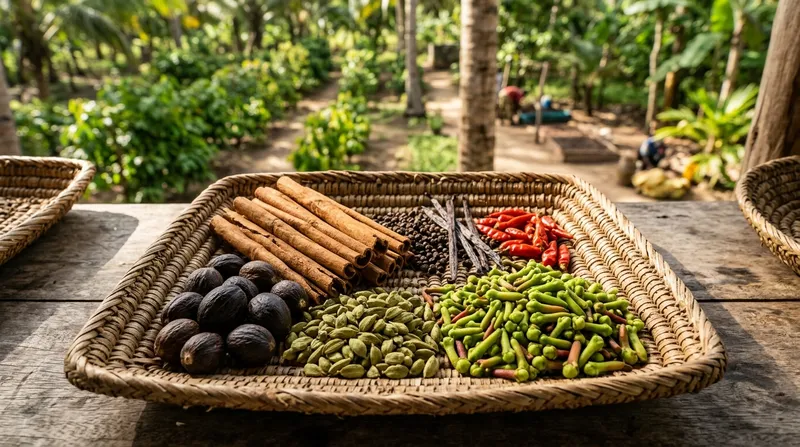
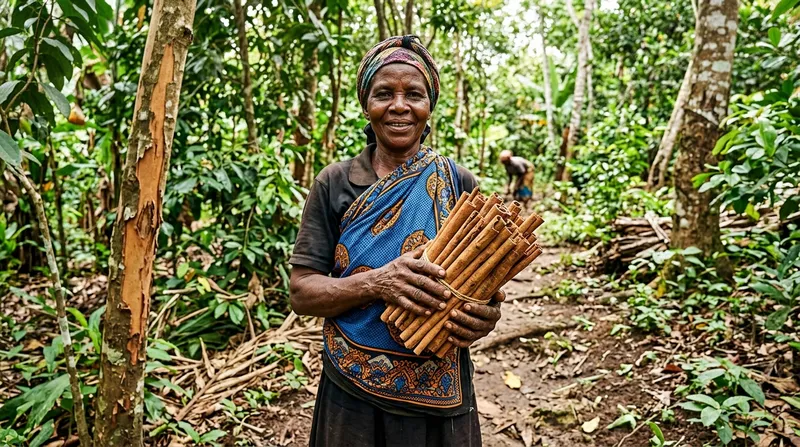
This is the standard product: a 2 to 3-hour walking tour through a working farm, usually including hotel or Stone Town pickup, a guide who identifies 10 to 15 spices and fruits by sight and smell, and a tasting session of fresh fruit at the end. Typical pricing in 2024–2025 sat in the $15–30 per person range for group tours, though this varies by operator and whether transport is bundled in. You'll see cloves drying on tarps, nutmeg split open to show the red mace inside, cinnamon bark peeled straight off the tree, plus vanilla, black pepper, lemongrass, and turmeric depending on season. The upside: low time commitment, good for families with young kids who lose interest fast. The downside: it can feel rushed, and at the cheaper end some farms push a hard souvenir-sale moment at the exit — ask your guide upfront if this is the farm's style, since not all do it.
Full-day tours with cooking classes
These extend the walk into an actual Zanzibari cooking class, typically 4 to 6 hours total, and often include a Stone Town pickup plus sometimes a combined stop at a historical site like the Kidichi Persian Baths. Expect to pay roughly double a basic half-day tour — often in the $35–60 range — but you get a sit-down lunch you helped cook, more one-on-one guide time, and usually a smaller group size, since cooking stations limit numbers. This suits honeymooners and couples wanting a slower, more memorable day, and food-focused travelers who'd otherwise book a separate cooking class in Stone Town anyway. It's a poor fit if you're traveling with toddlers — the cooking segment runs long and involves open flames and knives that keep kids at arm's length rather than participating.
What to look for when booking
Price is the least useful filter here, since most farms source similar plants and the core walk-and-smell format barely changes. What actually separates a good tour from a disappointing one is guide quality, group size, and whether the farm treats its land as a working plantation or a tourist prop. Names you'll encounter repeatedly in searches and on booking platforms include Siso Spice Farm, Village Green Spice Farm, and Jambo Spice Farm — all operate in or near Kizimbani and get booked heavily through platforms like GetYourGuide. Reviews on these platforms are a genuinely useful filter; read the three-star reviews specifically, since they tend to flag real issues (rushed pacing, aggressive tipping expectations) that five-star reviews gloss over.
Tour inclusions and group size limits
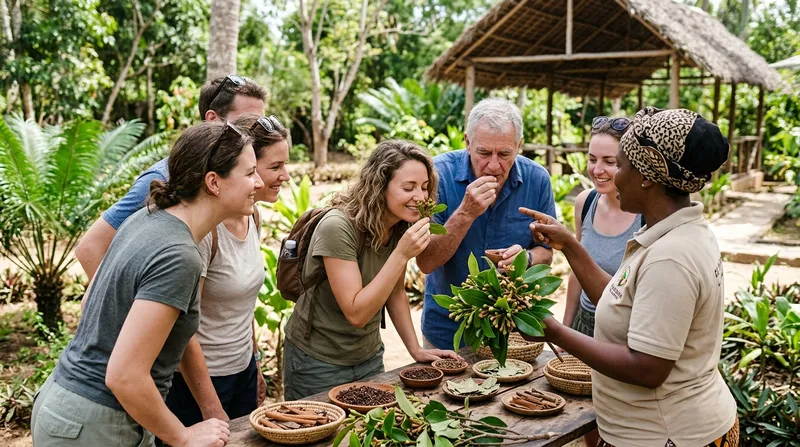
Check exactly what "included" means before paying. Transport from Stone Town is standard on most listings, but water, fruit tasting, and the palm-leaf souvenir hat aren't always bundled — some farms charge a small extra fee for the hat-weaving demo. Group size matters more than people expect: a group of 20 moving through narrow farm paths means you'll hear maybe half of what the guide says. Look for listings that cap groups at 8–12 people, or pay the premium for a private or small-group option if you're traveling with seniors who need a slower pace or photographers who want time to compose shots without a crowd blocking the frame.
Cancellation policies and ethical practices
Most reputable listings on major booking platforms offer free cancellation up to 24 hours before the tour — confirm this before paying, since some smaller, locally-arranged tours booked through hotels don't offer refunds at all. On ethics: ask whether the farm is community-owned or leased by growers themselves, since several of the better-reviewed operations split profits with the farming families rather than funneling money entirely to a Stone Town agency. Avoid tours that feel engineered around a hard-sell spice shop at the end — that's usually a sign the tour itself is priced artificially low to subsidize commission-based souvenir sales.
When and how to book
Spice tours run year-round since the farms are inland and shaded, making them one of the few Zanzibar activities that aren't heavily weather-dependent — useful to know if you're visiting during the April–May long rains and need an indoor-adjacent backup to beach days. Book 2–3 weeks ahead during the July–September and December–January peak season, when agencies in Stone Town fill up fast and the better-rated farms cap their daily group slots. Outside peak months, you can often book a day or two ahead, sometimes even the morning of.
Booking through a platform like GetYourGuide gives you reviews, fixed pricing, and a clear cancellation window, which is generally safer than arranging through a street tout in Stone Town — a common scam involves touts claiming a "special direct rate" that turns out higher than the online price once you're at the farm gate. Hotels and guesthouses can also arrange tours directly, often at comparable rates, and this is worth asking about if you're already booking a Stone Town walking tour or a day trip to Prison Island through the same desk, since bundling can simplify logistics. Whichever route you choose, compare current prices and reviews across two or three listings before paying — don't book the first result you see.
Frequently asked questions
Which spice farm in Zanzibar is considered the best?
There's no single "best" farm — Siso Spice Farm, Village Green Spice Farm, and Jambo Spice Farm all get strong reviews on platforms like GetYourGuide, and most farms near Kizimbani offer a similar range of spices. Judge by guide quality and recent reviews rather than the farm's name, since the same brand can have inconsistent guides on different days.
How much does a spice tour in Zanzibar cost?
Basic half-day tasting tours typically run $15–30 per person, while full-day tours with a cooking class and lunch run roughly $35–60. Private or small-group options cost more, often $40–80 per group. These are 2024–2025 approximate ranges — check live prices before booking, since rates shift with season and group size.
Are cooking classes worth the upgrade?
If you cook regularly at home and want recipes you'll actually repeat, yes — the hands-on prep and sit-down lunch add real value. If you're just curious about spices or traveling with young kids, the basic half-day tasting tour covers the essentials in a third of the time for less money.
What's included in a typical spice farm tour?
Expect hotel or Stone Town pickup, a 2–3 hour guided walk identifying cloves, nutmeg, cinnamon, vanilla, turmeric, and black pepper, fresh fruit tasting, and often a palm-leaf hat-weaving demo. Lunch and a cooking class are only included in full-day versions — confirm this before booking, since listings vary.
How do I book an ethical spice tour?
Ask whether the farm is grower-owned or shares profits with local farming families rather than an outside agency, and avoid tours that end with aggressive souvenir sales pressure. Reading recent three-star reviews (not just five-star ones) on booking platforms usually surfaces these issues quickly.