Compare Zanzibar fishing trips from budget shared boats to luxury big-game charters. Pricing, seasons, target species and booking tips inside.
Who Each Charter Type Suits
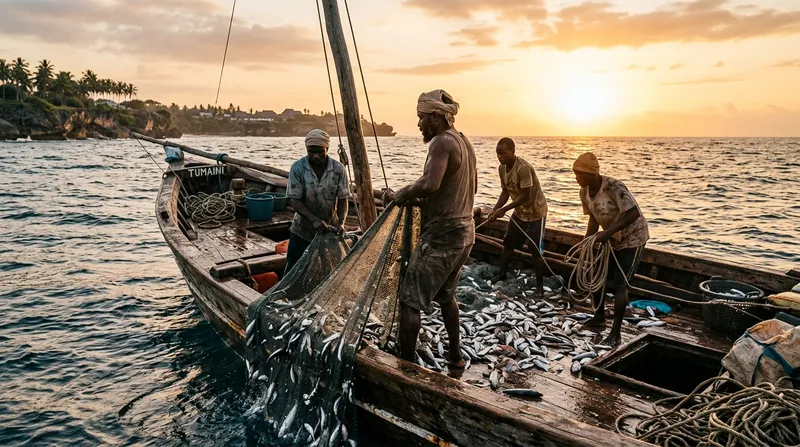
Zanzibar fishing trips aren't one-size-fits-all, and the operators who sell them know it — which is why you'll find everything from a three-hour reef outing for $40 a head to a full day on a 38-foot game boat running well over $1,000. The trick is being honest about what you want before you book. Do you want a relaxed morning on the water with a decent chance of a kingfish or tuna for lunch? Or are you after a marlin photo and willing to pay for the diesel it takes to get there?
Shared boats work for casual anglers, families, and anyone testing the waters — literally — before committing to a bigger spend. Private charters suit groups of four to six who want the whole boat, more serious tackle, and control over where they fish. Neither is objectively better; they're built for different trips.
Budget-conscious anglers and beginners
If you've never deep-sea fished before, start with a shared half-day trip departing from somewhere like Kendwa Beach or Nungwi. These typically run three to five hours, cost roughly $50-$90 per person, and target reef species and smaller pelagics — kingfish, bonito, barracuda — rather than marlin. Expect a mixed group of strangers, basic trolling tackle, and a crew that handles everything for you. It's a good low-risk way to find out if you actually enjoy being on a small boat in open water for hours, before spending $300+ on a private full-day run. The trade-off: less personalized attention, shared rod time, and no guarantee the boat heads far enough offshore for the bigger game fish.
Serious sport fishers and groups
Anglers chasing marlin, sailfish, or wahoo need a private charter built for it — a proper game boat with outriggers, a fighting chair or stand-up harness, and a crew experienced in reading the Pemba Channel or the deep water north of Mnemba Atoll. These trips run full-day, typically 7am to 4pm or similar, and the boat is yours — group size usually caps at four to six anglers to keep lines manageable. Operators marketed toward this crowd, such as those listed under Tom's Catch or Beach Bums Fishing Charters on booking platforms, tend to publish their tackle specs and target species upfront, which is a good sign. If you're serious, don't settle for a boat that's really built for reef trips but gets rebranded as "sport fishing" for a higher price — ask directly how far offshore they run and what size engine they're using.
Charter Types & Duration Options
The two decisions that shape everything else — price, species, and how worn out you'll feel by evening — are duration and whether you share the boat. Get these right and the rest of the booking mostly sorts itself out.
Private full-day charters cost more per trip but often work out similar per person for groups once split, while shared boats remain the cheapest entry point for solo anglers.
Zanzibar fishing charter types compared: price, group size, and amenities
| Charter Type | Typical Duration | Group Size | Price Range (per person) | Best For |
|---|---|---|---|---|
| Budget shared boat | 3-5 hours | 6-10 anglers | $40-$90 | Beginners, families, casual trips |
| Mid-range group charter | 5-7 hours | 4-8 anglers | $90-$180 | Mixed groups wanting more targeted fishing |
| Private full-day vessel | 8-10 hours | 2-6 anglers (whole boat) | $200-$350+ | Serious anglers, marlin/sailfish trips |
| Luxury big-game charter | Full day | Up to 6 anglers | $400-$1,200+ | Groups wanting top-spec gear and crew |
Figures reflect typically published ranges as of 2024-2025; always confirm current pricing and inclusions directly with the operator before booking.
Half-day vs full-day charters
Half-day trips (roughly 4-5 hours) stay closer to shore and target reef and mid-water species — good for families with children or anyone who doesn't want to commit a whole day to it. Full-day trips (8-10 hours) are what you need for a real shot at marlin or sailfish, since those fish hold in deeper water further out, sometimes 15-25 nautical miles from shore. The extra hours aren't padding — they're transit time to the grounds and back. Expect full-day trips to cost two to three times more than half-day ones, partly fuel, partly the extra crew hours. If you get seasick, be honest about it: a full day in open swell near the Pemba Channel is a different experience from a sheltered morning near the reef.
Shared boats vs private vessels
Shared boats pool you with other travelers — usually arranged through your hotel or a platform like Project Expedition or FishingBooker — and split the cost, which brings the per-person price down substantially. Private vessels, sometimes booked directly through an operator like Zanzibar Yacht Charter, give you the whole boat, your choice of route, and first pick of any fish hooked. For a couple or solo traveler, shared makes financial sense. For a group of four or more serious about catching something specific, a private charter often costs about the same per head once split — and you're not waiting your turn on the rod.
Seasonal Fishing Patterns & Target Species
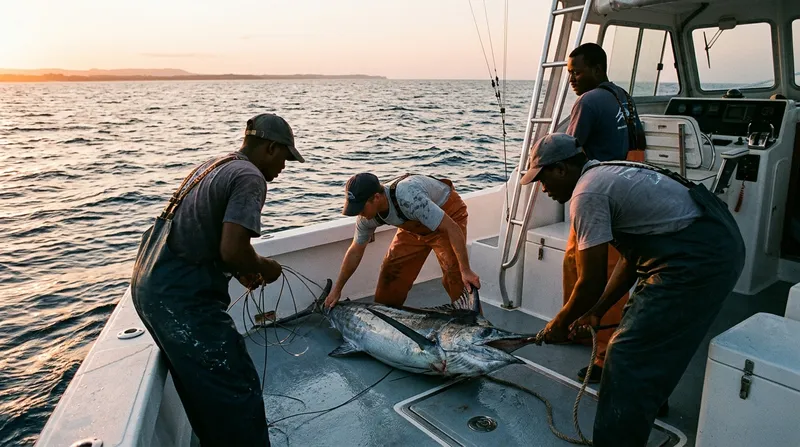
Zanzibar's best fishing season runs roughly from August to March, with two standout windows depending on what you're after. This isn't a destination where every month is equal — booking in the wrong season for your target species is the single most common mistake first-timers make.
Peak months for marlin and tuna
Blue and black marlin fishing peaks roughly August through November, when conditions in the deeper channels — particularly toward Pemba Channel — tend to be calmer and baitfish concentrations draw the big pelagics closer to the surface. Yellowfin tuna follow a similar window, often overlapping with sailfish activity from September into early December. If marlin is specifically your goal, aim for this stretch and book a full-day private charter — shared half-day boats simply don't run far enough out to connect with them reliably. The trade-off is that this is also peak tourist season generally, so boats and accommodation book up faster and prices sit higher across the board.
Year-round catch opportunities
Not everything depends on timing. Kingfish, barracuda, bonito, and dorado show up on reef and mid-water trips nearly year-round, with dorado often more active December through March. The long rains, typically April and May, bring rougher seas and more boat cancellations — many operators scale back trips or close entirely during this window, so it's worth avoiding if fishing is the main reason for your trip. Shoulder months like June, July, and early August offer a reasonable middle ground: fewer crowds, decent conditions, and still a fair shot at tuna and wahoo.
What to Look for When Booking
Booking a fishing charter in Zanzibar is less about finding the cheapest listing and more about reading what's actually included before you commit. A surprising number of disputes on TripAdvisor and similar platforms come down to vague listings — "fishing trip" with no mention of distance offshore, tackle quality, or what happens if the weather turns.
Inclusions, group size, and cancellation policies
Ask specifically what's included: rods and tackle, bait, fuel, drinking water, and sometimes lunch on full-day trips. Cheaper shared boats may charge extra for rod hire or soft drinks, which nudges the real price up. Confirm maximum group size in writing — a "shared" boat with 12 people on it means a lot of standing around waiting for a turn. Cancellation policies matter more here than almost anywhere else, since sea conditions change fast; look for operators offering a full refund or reschedule for weather cancellations, not just a credit. Platforms like FishingBooker and Project Expedition usually display cancellation terms clearly, which is one reason to book through them rather than a beach tout offering a same-day deal.
Guide experience and safety equipment
Ask how long the captain has fished these specific waters — local knowledge of the Pemba Channel's currents and seasonal bait movements matters more than the boat's age or paint job. Confirm the boat carries life jackets for every passenger, a working radio or satellite communicator, and ideally a first aid kit; this sounds obvious, but smaller informal operators sometimes cut corners here. Read recent reviews specifically for mentions of safety gear and crew competence, not just catch photos — plenty of listings lead with a big marlin shot and say nothing about what's on board if something goes wrong.
Best Fishing Locations Around Zanzibar
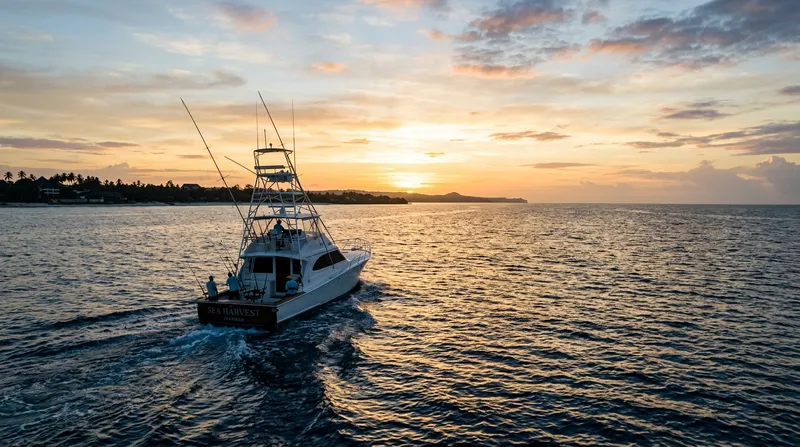
Where your boat actually goes matters more than its name or paint job. Zanzibar's fishing grounds split roughly into reef zones close to shore and genuine deep-sea territory further out, and the difference shapes what you can realistically catch.
Pemba Channel and Mnemba Atoll
The Pemba Channel, between Zanzibar and Pemba Island, is the serious ground for marlin, sailfish, and large tuna — deep water, strong currents, and a reputation among regional sport fishers that predates Zanzibar's tourism boom. It's a longer run, which is why trips targeting it are full-day only. Mnemba Atoll, better known to most travelers as a snorkeling and diving spot, also holds good numbers of smaller pelagics and reef species around its drop-offs, making it a reasonable middle-ground stop for half-day trips that want more than typical reef fishing without the full run to Pemba Channel.
Northern waters and deep-sea zones
Boats departing from Nungwi or Kendwa Beach in the north often have the shortest run to deeper water, which is part of why so many charters are based there rather than in Stone Town. The continental shelf drops away faster off the northern tip, meaning you can reach blue-water conditions without the multi-hour transit required from boats based further south or east. If you're comparing listings and transit time matters to you — say, you've only got a morning — a northern departure point is generally the more efficient choice over a southern one.
Frequently asked questions
How much does a fishing charter cost in Zanzibar?
Shared half-day boats typically run $40-$90 per person, mid-range group charters $90-$180, and private full-day vessels targeting marlin or sailfish $200-$350 or more, with luxury big-game charters exceeding $400-$1,200 depending on boat size and crew. Always confirm current pricing directly with the operator, since fuel costs and season both affect the final figure.
What fish species can you catch in Zanzibar?
Common catches include yellowfin tuna, blue and black marlin, sailfish, wahoo, dorado, kingfish, barracuda, and bonito. Marlin and sailfish are seasonal and require a full-day trip to deeper water, while kingfish, bonito, and barracuda are caught on reef trips nearly year-round.
What is the best month for fishing in Zanzibar?
August through November is generally considered peak season for marlin and tuna, with sailfish often active into early December. April and May bring rough seas from the long rains and frequent cancellations, so most serious anglers avoid booking then.
What is included in a fishing charter package?
Most packages include rods, tackle, bait, and fuel; full-day trips often add drinking water and lunch. Extras like rod hire fees, soft drinks, or fish cleaning/filleting services vary by operator, so check the listing carefully before assuming they're bundled in.
What is the difference between shared and private charters?
Shared charters split the boat and cost among strangers, usually six to ten people, and suit solo travelers or couples on a budget. Private charters reserve the whole boat for your group, typically two to six people, giving you control over the route and more rod time each — often worth it for groups of four or more chasing specific species.