Plan a Stone Town slave market tour with our guide to tickets, the Anglican Cathedral, history, and respectful visitation. Book your Zanzibar tour today.
What Is the Slave Market & Why Visit
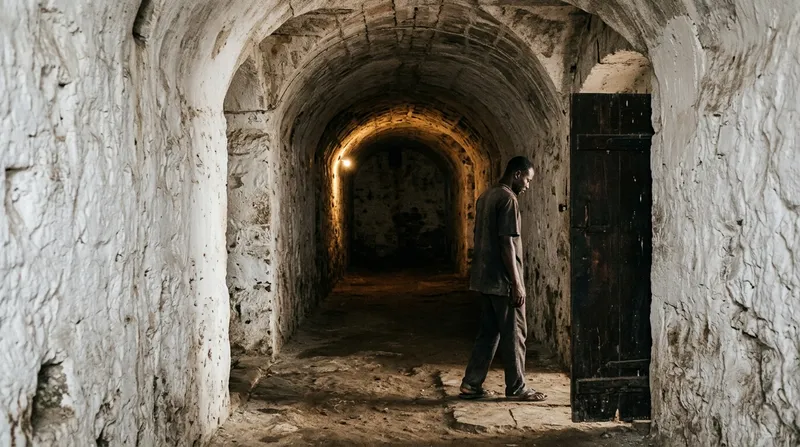
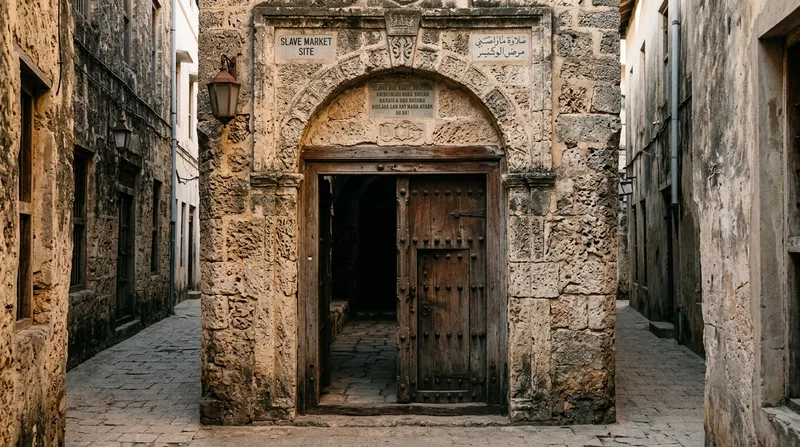
The former slave market in Stone Town sat on the site now occupied by Christ Church Anglican Cathedral, near Mkunazini Market in the heart of old Zanzibar City. Until the 1870s, this was one of the last operating slave markets in the world — a trading post where tens of thousands of people captured from the African mainland were bought and sold each year before the trade was formally abolished on the island in 1873. A stone town slave market tour takes you underground into the surviving holding chambers, then up into the cathedral built partly as an act of atonement on the same ground.
I'd put this site above most of Stone Town's other museums for anyone with even a passing interest in East African history. It's not a polished, air-conditioned exhibit — it's low-ceilinged stone rooms you have to stoop through, which is uncomfortable by design. That discomfort is the point, and it's more honest than some glossier heritage sites elsewhere in East Africa.
===SUBSECECTION_PLACEHOLDER===
Historical significance and the Anglican Cathedral
Christ Church Anglican Cathedral was built between 1873 and 1879 by the Universities' Mission to Central Africa, consecrated on the ground where the market's whipping post reportedly once stood. The altar is positioned at that approximate spot — a deliberate architectural statement. The building itself mixes Gothic Revival arches with coral stone construction typical of Stone Town, and its bell tower is one of the taller landmarks visible from the harbor. The slave trader Tippu Tip, whose house still stands elsewhere in Stone Town, was one of the most prominent dealers operating through this market, and guides often reference him to anchor the scale of the trade in a real historical figure rather than an abstraction.
What the site commemorates today
Below the cathedral, two small underground chambers survive from the market compound — one for men, one for women and children — where captives were held before auction, sometimes for days, in spaces with barely enough room to sit upright. A memorial sculpture outside, showing five chained figures sunk into a pit, was installed in the 2000s and has become the site's most photographed element. The World Monuments Fund has supported conservation work on Stone Town's historic fabric more broadly, including attention to sites tied to the slave trade, recognizing how fragile the coral stone construction is against humidity and foot traffic. What you're seeing today is a fraction of the original compound — most of it was demolished to build the cathedral — but the chambers and memorial are enough to anchor the history in a physical place.
How to Visit: Independent vs. Guided Tours
You can walk in off the street and visit independently — there's no requirement to join a tour, and the site is set up to accept walk-in visitors during normal hours. But I'd steer most first-time visitors toward a guide, and here's the honest reason: the physical site, on its own, tells you almost nothing. There are a few information panels and a small plaque, but the chambers are bare stone rooms, and without someone narrating the context — who was held here, how auctions worked, how the trade connected to Omani Zanzibar's economy — you're left looking at an empty basement.
A guided tour costs more and takes longer but delivers far more historical context than a self-guided walk-through of the bare chambers.
Stone Town slave market tour options compared: independent visit vs. guided tour
| Option | Typical Duration | Cost Level | Context Provided | Best For |
|---|---|---|---|---|
| Independent visit | 30-45 min | Low (entry fee only) | Minimal (panels only) | Budget travelers, repeat visitors |
| Ground-arranged local guide | 1-2 hours | Low-Moderate, negotiable | Good, variable quality | Spontaneous travelers, solo travelers |
| Pre-booked platform tour (GetYourGuide/Viator) | 2-3 hours | Moderate | High, consistent | First-time visitors, families, history-focused travelers |
| Combined Stone Town walking tour | 2.5-3.5 hours | Moderate-Higher | High, broad historical scope | World travelers wanting full Stone Town context |
Figures reflect typical ranges as of 2024; confirm current pricing and inclusions when booking.
Self-guided exploration options
If you do go independently, budget 30-45 minutes. Pay the entry fee at the small ticket desk, descend into the chambers first — they're the main event — then walk up into the cathedral itself, which is usually open and free to enter separately during the day. Bring a phone with a pre-downloaded article or two on the East African slave trade so you have some context before descending; cell signal underground is unreliable. This route works fine for travelers short on time or budget, but you'll get noticeably less out of it than a guided visit, and there's a real risk of treating the chambers as a quick photo stop rather than understanding what happened there.
Guided tour benefits and booking platforms
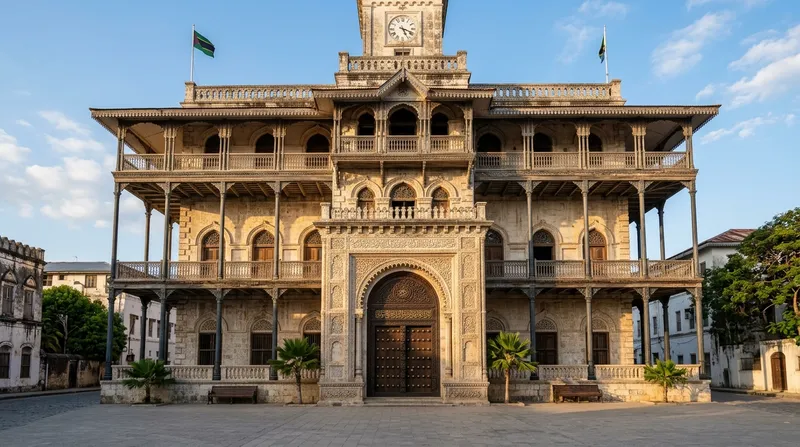
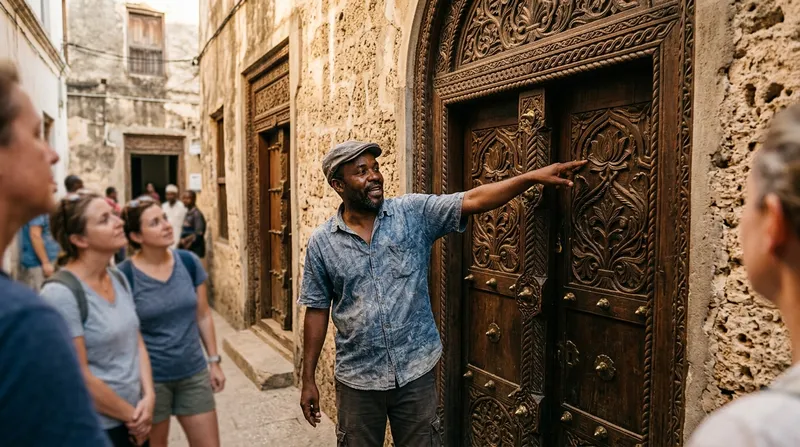
A guided stone town historical tour typically bundles the slave market and cathedral with a walk through the surrounding alleys — past the old fish market, Mkunazini, and sometimes the House of Wonders facade — for roughly 2-3 hours total. Guides here are usually locals with detailed knowledge passed down through Stone Town's tourism associations, and many can speak to family histories connected to the trade. You can book this kind of tour through platforms like GetYourGuide or Viator before you arrive, or arrange one on the ground through your hotel or a licensed guide at the cathedral entrance — rates for ground-arranged guides are negotiable and typically lower than pre-booked platform tours, but quality varies more. Check current prices and tour inclusions before you book, since options and bundling change seasonally. Reading recent TripAdvisor reviews for specific guides (if booking locally) helps filter out rushed or scripted tours.
Tickets, Entry & Operating Hours
Zanzibar slave chambers tickets are sold on-site at a small desk near the cathedral entrance — there's generally no need to pre-book entry separately from a tour, since guided tours typically include the ticket cost in their price. Entry is inexpensive by international standards, and the cathedral itself is often a separate, smaller donation-based entry from the chambers below it. Expect signage in English and Swahili; it's modest, not a full museum-style exhibition.
Entry fees and ticket types
Entry fees for the slave chambers have historically run in the range of a few US dollars for foreign visitors, with a separate, usually smaller fee or donation for the cathedral tower climb if that's offered. Prices are typically listed in both Tanzanian shillings and US dollars at the ticket desk, and operators sometimes quote combined rates if you're adding the bell tower viewpoint. Because entry fees for heritage sites in Zanzibar get revised periodically, treat any number you read online as a rough guide and confirm the current rate when you arrive or when booking a tour package.
Hours and accessibility information
The site generally operates during standard daytime hours, roughly 9am to 5pm, with shorter hours or closures possible on Sundays given the cathedral's active religious services — this is a working church, not just a heritage site, so time a visit around service schedules if you want full access. Accessibility is limited: the underground chambers are reached by a steep, narrow stone staircase with low clearance, which rules them out for wheelchair users and will be difficult for anyone with mobility issues or significant claustrophobia. The cathedral nave itself is flat and more accessible. If heat bothers you, note the chambers are stone-cool but poorly ventilated — not a problem for most, but worth knowing if you're prone to feeling closed in.
Best Time to Visit & Nearby Attractions
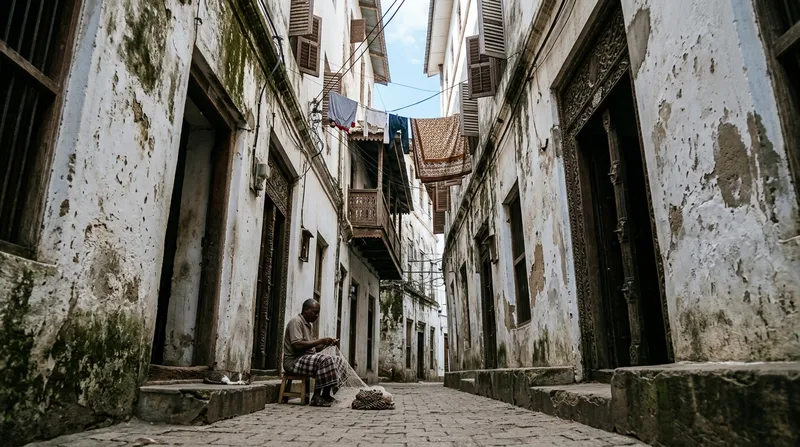
Early morning, shortly after opening, is the best window — fewer tour groups, cooler temperatures for the walk over, and better light for photographing the cathedral's exterior. Stone Town's streets get warm and crowded with midday cruise-ship groups when ships are in port at Zanzibar Town's harbor, which can make both the ticket queue and the narrow chamber stairs feel congested.
Seasonal considerations and crowd patterns
The dry seasons (roughly June to October, and January to February) bring the heaviest tourist numbers to Zanzibar overall, which translates into busier mornings at the cathedral and market site. The long rains in April and May thin out crowds dramatically and several guides have more availability and flexibility then, though you'll want a plan for sudden downpours when walking between sites. If you're also weighing a side trip to Mnemba Atoll for snorkeling or a diving day near Pemba Island, it's worth sequencing: do the history-focused Stone Town morning first, then head to the coast for the afternoon, rather than trying to cram both into one rushed day.
Stone Town walking routes and add-ons
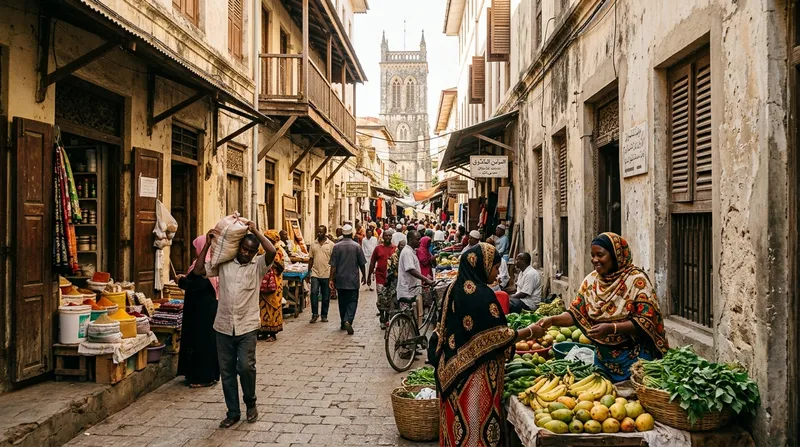
From the cathedral, it's a 5-10 minute walk to the old Stone Town waterfront and the House of Wonders area, and another short walk to the Darajani Market. Many guided stone town historical tours pair the slave market with a stop at the Old Fort and a walk along Shangani Street, giving you a fuller picture of Stone Town's layered history — Omani, Indian, British colonial, and Swahili influences overlapping within a few blocks. If you have a full day, this combination works better than trying to see Stone Town and a beach day on the same itinerary; save beach time for Nungwi, Paje, or a boat trip out toward Mnemba.
Preparing for a Respectful Experience
This is a memorial site as much as a historical attraction, and it rewards visitors who treat it that way. I've seen plenty of advice online treating it as just another Stone Town photo op, which does the subject a disservice — the chambers held real people in real suffering, not that long ago in historical terms.
Sensitivity guidelines for visitors
Dress modestly, as you would for any active place of worship — shoulders and knees covered is a safe default given the cathedral above the chambers holds regular services. Keep voices low inside the chambers; other visitors are often processing difficult information, and loud chatter or jokes land badly in a space this size. If your guide is a local Zanzibari, it's reasonable to ask whether they're comfortable sharing personal or family context — some are, some prefer to stick to documented history, and either is fine.
Photography policies and memorial etiquette
Photography is generally permitted in both the chambers and around the memorial sculpture outside, though flash is discouraged underground, partly out of respect and partly because the stone surfaces don't photograph well with it anyway. Avoid posing cheerfully at the chained-figures memorial — it's become a common complaint among other visitors on TripAdvisor that people treat the sculpture like a prop. A respectful photo here is a documentary one, not a smiling portrait.
Frequently asked questions
How much do Stone Town slave market tickets cost?
Entry to the underground chambers has typically cost a few US dollars for foreign visitors, usually payable in Tanzanian shillings or dollars at the on-site desk, with the cathedral itself often charging a smaller separate fee or accepting a donation. Prices are revised periodically, so confirm the current rate at the ticket desk or check inclusions if booking a guided tour that bundles entry.
What is included in a guided tour of the slave market?
Most guided tours include entry to the underground chambers, a walkthrough of Christ Church Anglican Cathedral, and historical narration covering the East African slave trade, Tippu Tip's role, and the site's conversion into a church. Many are extended into broader Stone Town historical tours that add stops like the Old Fort, House of Wonders, and nearby markets, typically running 2-3 hours total.
Can you visit the slave market independently or only with a guide?
You can visit independently — there's a walk-in ticket desk and no requirement to book a guide. That said, the site has minimal signage, so a self-guided visit gives you the physical space but very little of the historical context that makes it meaningful. Most first-time visitors get far more value from even a short guided explanation.
Is the Anglican Cathedral worth visiting alongside the slave market?
Yes — the cathedral isn't a separate attraction so much as the second half of the same story, built directly on the market site with its altar positioned near the former whipping post. Skipping it means missing the deliberate symbolism that makes this site unusual among East African heritage sites, and the climb up the bell tower (where offered) gives one of the better rooftop views over Stone Town.
What other attractions are near the slave market in Stone Town?
Mkunazini Market and Darajani Market are both within a few minutes' walk, and the Old Fort, House of Wonders, and Shangani Street waterfront are all reachable within a 10-15 minute stroll. Tippu Tip's former house is also nearby for those following the slave trade history thread further. Most visitors combine two or three of these into a single half-day walking route.