Complete guide to House of Wonders tickets, opening hours, and guided tours in Stone Town. Book entry, learn what to expect, and plan your visit.
What Is the House of Wonders?
The House of Wonders — Beit al-Ajaib in Swahili — is the largest building in Stone Town, and the first in East Africa to have electric lighting and an elevator, back in 1883. That's the "wonders" in the name. It sits right on the Stone Town waterfront, a few steps from Forodhani Gardens and directly next to the Old Fort, so it's almost impossible to miss if you're wandering the seafront.
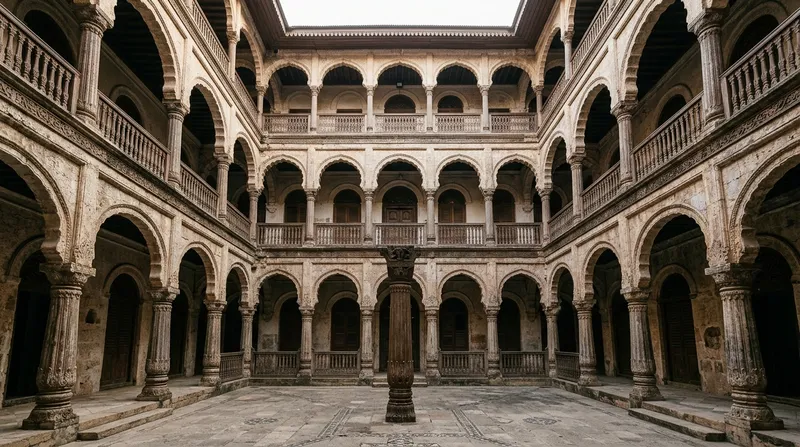
If you're deciding whether House of Wonders tickets are worth buying on a short Zanzibar trip, know this upfront: the building was built as a ceremonial palace for Sultan Barghash bin Said, not as a museum piece designed to wow visitors with artifacts. What you're paying for is access to the structure itself — the tiered balconies, the cast-iron columns imported from Glasgow, the sheer scale of the main hall — plus whatever exhibits happen to be installed at the time of your visit.
Historical significance and architecture
The building dates to 1883 and was commissioned by Sultan Barghash as a ceremonial palace rather than a residence. Architecturally it mixes Omani, Indian, and European influences — wide verandas stacked on three levels, a facade of carved wooden doors, and iron columns shipped from Scotland that still hold up the balconies today. A fire severely damaged the building in 2020, part of the tower collapsed, and restoration work — supported in part by organizations including the World Monuments Fund — has been ongoing since. Expect some areas to be closed off or under scaffolding depending on when you visit; this isn't a static site, and it's worth checking current status before you plan your day around it.
Why it's worth visiting
Honestly, it's worth it mainly for three things: the facade itself, which is the best piece of 19th-century Zanzibari architecture you'll see up close; the rooftop or upper-floor views over the harbor and Forodhani Gardens; and the context it gives you for the rest of Stone Town's Omani-era buildings. The exhibits inside — on Swahili coastal culture, dhow-building, and Zanzibari history — are informative but modest, and I wouldn't rank them against, say, the displays at the Old Fort's cultural center a hundred meters away. Budget 45 minutes to an hour, not half a day.
Tickets and Entry Fees
House of Wonders tickets are inexpensive by regional museum standards, and this is one of the few Stone Town sites where walking up and paying at the door works fine for most travelers. There's no need to pre-book weeks ahead the way you might for a Mnemba Atoll snorkeling trip or a Jozani Forest tour during peak season.
That said, ticket pricing and what's included can shift as restoration continues, so treat any number you read — including here — as a starting point to confirm, not a fixed fact.
Standard ticket pricing
Entry has historically been priced as a standalone museum ticket, separate from the Old Fort and separate from Forodhani Gardens (which is free to enter anyway). Foreign visitors typically pay more than East African Community residents, which is standard practice across Zanzibari heritage sites and government-run attractions. If you're also planning to see the Palace Museum (Beit al-Sahel) nearby, check whether a combined ticket is being offered at the time — this has come and gone depending on management arrangements. Always confirm the current fee structure at the ticket counter or through an official source before you factor it into your day's budget.
Booking platforms and options
For independent visitors, there's rarely a need to book House of Wonders tickets online in advance — you can usually just turn up and pay. Where online booking becomes useful is if you want the visit bundled into a wider Stone Town walking tour. Platforms like Viator and GetYourGuide list Stone Town heritage tours that include the House of Wonders alongside the Old Fort, the former slave market site, and the spice bazaar. These are worth comparing if you'd rather have a guide explain the history than read placards. Compare current prices and itineraries before you book, since availability and what's bundled in changes by season and operator.
Opening Hours and Access
House of Wonders opening hours generally follow a standard museum schedule, open daily with a midday stretch that can slow down around prayer times on Fridays — common across Zanzibar's government-run cultural sites. Hours have been adjusted periodically since the 2020 fire and subsequent repair work, so don't assume a schedule you saw online six months ago is still accurate.
Current operating hours
Typically the site runs on a daytime schedule starting mid-morning and closing by early evening, seven days a week, with no official night access. Because restoration work has intermittently closed sections of the upper floors, it's worth checking with your hotel or a local tour desk in Stone Town on the morning of your visit rather than relying solely on a listing you found weeks earlier. If you're combining it with Forodhani Gardens at sunset, plan the House of Wonders visit first — the gardens come alive in the early evening with food stalls, and you don't want to rush your museum time to catch it.
Accessibility and facilities
This is one area where I'd set expectations carefully. The building predates modern accessibility design by over a century, and while it once had Africa's first elevator, that's a historical footnote, not a functioning amenity today. Expect stairs, uneven stone floors, and limited signage in English beyond the main exhibit labels. Wheelchair users and anyone with limited mobility should plan on seeing the ground floor only, and even that involves some stepped thresholds. Photography is generally allowed inside without a fee, though flash near fragile artifacts and painted surfaces isn't advisable — ask on-site staff if you're unsure about any restricted areas during your visit.
Guided Tours vs. Independent Visits
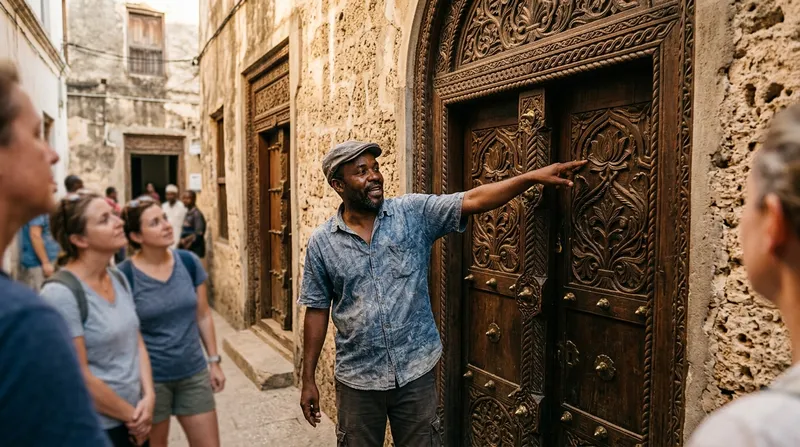
This is genuinely a toss-up, and it depends on how you like to travel. A solo traveler or a couple with a guidebook can get real value from visiting independently — the layout is simple enough that you won't get lost, and the exhibit panels cover the basics. But if you want the social and political context behind the building — the sultanate's relationship with British colonial power, the slave trade history tied to Stone Town's waterfront, the reasons the fire in 2020 hit so hard emotionally for Zanzibaris — a guide fills in gaps that placards don't.

A self-guided visit costs less and takes under an hour, while a guided Stone Town tour adds historical context but takes half a day.
House of Wonders Zanzibar: independent visit vs guided tour compared
| Option | Typical Duration | Cost Level | Best For | Booking Need |
|---|---|---|---|---|
| Independent visit | 45-60 min | Low (entry ticket only) | Solo travelers, photographers, repeat visitors | Walk-up, no booking needed |
| Guided Stone Town walking tour | 3-4 hours | Moderate | Families, first-time visitors, history-focused travelers | Book via Viator/GetYourGuide in advance |
| Combined museum ticket (if offered) | 1-2 hours | Low-moderate | Visitors also doing Palace Museum | Confirm availability at ticket counter |
| Private guide hired on-site | 1-1.5 hours | Moderate-high | Couples, honeymooners wanting flexibility | Arrange locally, not pre-bookable online |
Figures as of 2025; hours, combined-ticket availability, and pricing structures can change during ongoing restoration work.
Self-guided exploration
Going independently costs you only the entry ticket and takes under an hour. You can move at your own pace, skip rooms that don't interest you, and linger on the balcony for photos without feeling rushed by a group schedule. The downside: you'll likely miss some of the architectural detail that makes the building significant, like the provenance of the iron columns or why the clock tower design matters regionally. If you've read even a short background piece beforehand — which this page partly serves as — independent visits work well.
Organized tour packages
Guided Stone Town tours bundling the House of Wonders with the Old Fort, the Anglican Cathedral, and the old slave market typically run half a day, often three to four hours on foot. These suit first-time visitors, families with children who respond better to storytelling than reading panels, and anyone who wants the UNESCO World Heritage Site context of Stone Town explained properly. Check listings on Viator or GetYourGuide for current group tour options and durations, and compare what's included — some combine the walking tour with a spice farm visit later in the day, which can make for a long one if you're also jet-lagged on arrival.
Best Time to Visit
Morning visits, shortly after opening, tend to be quietest and coolest — Stone Town's narrow streets trap heat by midday, and the museum's upper floors aren't air-conditioned throughout. If photography is your priority, aim for soft early light on the facade from the Forodhani Gardens side, or late afternoon light from the harbor side near the Old Fort.
Seasonal considerations
Zanzibar's long rains fall roughly March through May, and Stone Town's stone streets get genuinely slippery and the humidity inside un-air-conditioned buildings becomes uncomfortable. The June to October dry season is more reliable for combining this with outdoor Stone Town walking, and it overlaps with when most European travelers visit, so expect more foot traffic around Forodhani Gardens at sunset. December and January bring a second peak as holiday travelers arrive, pushing up crowding at nearby sites like the Old Fort's evening market, though the House of Wonders itself rarely feels overcrowded given its size.
Nearby attractions to combine
The Old Fort sits right next door and is free to wander, with a small amphitheater and craft stalls. Forodhani Gardens, the waterfront park facing the building, is worth an evening visit for the food market — grilled seafood skewers and Zanzibar pizza are the local specialty, and it's a reasonable spot for dinner after your museum visit. If you have extra days, this is also where you'd arrange logistics for trips further out — a snorkeling day at Mnemba Atoll, a spice farm tour inland, or a ferry connection toward Pemba Island — since most Stone Town tour operators and transport desks cluster within a few minutes' walk of here.
Frequently asked questions
What is the House of Wonders in Zanzibar?
It's a 19th-century ceremonial palace built in 1883 for Sultan Barghash bin Said, known locally as Beit al-Ajaib. It was the first building in East Africa with electricity and an elevator, and today functions as a museum on Swahili coastal and Zanzibari history, located on the Stone Town waterfront next to the Old Fort.
How much do House of Wonders tickets cost?
Entry fees are modest compared to major international museums, with separate pricing for foreign visitors versus East African Community residents — a common structure at Zanzibari heritage sites. Prices and whether a combined ticket with the Palace Museum is available change periodically, so confirm current rates at the ticket counter rather than relying on older online listings.
What are the opening hours?
The site generally opens daily on a daytime schedule, closing by early evening, with no night access. Hours have shifted since restoration work began after the 2020 fire, so check with a local tour desk or your hotel on the day of your visit rather than trusting a schedule published months earlier.
Are guided tours available and worth booking?
Yes — platforms like Viator and GetYourGuide list Stone Town walking tours that include the House of Wonders alongside the Old Fort and former slave market site, typically running three to four hours. They're worth it if you want historical context explained rather than read off exhibit panels; skip them if you're short on time or prefer self-paced sightseeing.
What nearby attractions can I combine with a visit?
The Old Fort is directly adjacent and free to enter, with craft stalls and an open-air amphitheater. Forodhani Gardens across the street is best visited at sunset for its street-food market. Both pair naturally with a House of Wonders visit on the same Stone Town walking loop, often done in a single morning or late afternoon.