Compare Stone Town walking tour types by route, duration, and depth. Find the best guided walk for your interests, group size, and budget.
Who Each Stone Town Walking Tour Suits Best

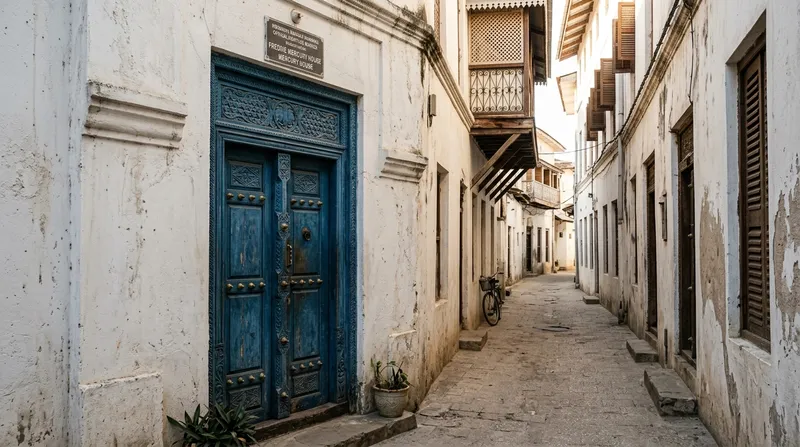
Not every visitor needs the same walk through Stone Town, and that's the first thing to sort out before you book. A photographer chasing the light on carved doors at 7am wants something different from a family trying to keep two kids interested for ninety minutes. Stone Town itself — the UNESCO World Heritage Site that forms the old heart of Zanzibar City — rewards slow, deliberate walking more than almost anywhere else on the island, because its value is in detail: door carvings, rooftop views, the smell of spice stalls, the layered Swahili, Omani, Indian, and British influences stacked into one square kilometer of coral-stone buildings.
If you're short on time — say, a half-day stop before a flight — a 2-hour general heritage walk covering the Sultan's Palace, House of Wonders, and the old slave market site gives you the headlines without overextending anyone. If you've got a full morning and genuine curiosity about the slave trade history or Swahili architecture, look for a 3-4 hour cultural walk that includes a market visit and maybe a rooftop café stop.
I'd avoid the very cheapest group walks sold in bulk near the port — they tend to move fast, skip context, and treat the tour as a transaction rather than an experience. You get what you pay for here, and in Stone Town that gap is noticeable.
History and Culture Enthusiasts
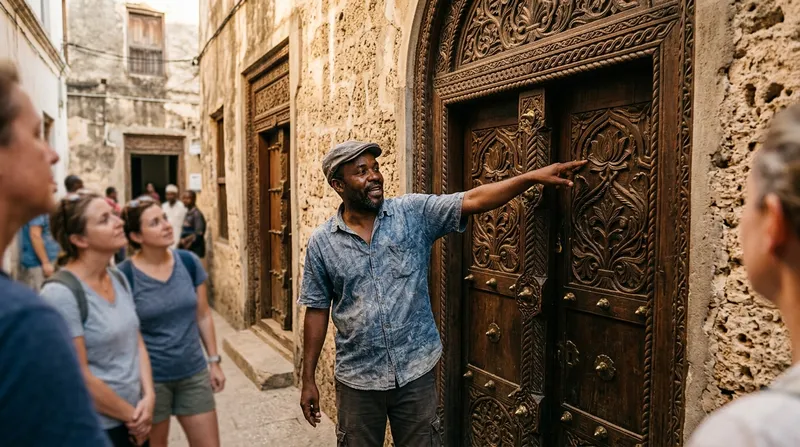
If you want depth, book a tour explicitly marketed as a heritage or historical walk, ideally one capped at 8-10 people. These usually run 3 hours or longer and spend real time at sites like the former slave market (now the site of the Anglican Cathedral), the Old Fort, and the House of Wonders — formerly the Sultan's ceremonial palace and one of the first buildings in East Africa with electricity and an elevator. A guide worth their fee will explain the Swahili door symbolism — brass studs that once deterred elephants in India, repurposed here as status markers — rather than just pointing at doors and moving on. Ask before booking whether the guide is a licensed local historian or a general tour operator; the difference shows in the quality of answers to follow-up questions.
Budget-Conscious and Group Travelers
Larger group tours — sometimes 15-20 people — are the most affordable entry point, often bundled into day packages with spice farm visits or beach transfers. They suit travelers who want a general orientation rather than a deep dive, and families who need flexibility to peel off if someone gets tired. The trade-off is pace: you'll stand further back at each stop, hear less detail, and spend more time waiting for the group to regroup in narrow alleys that weren't built for crowds. If budget is the priority, this is still a reasonable way to see the highlights, but set expectations accordingly — it's an overview, not an education.
Main Stone Town Walking Tour Categories
Most Stone Town walking tours fall into a handful of recognizable formats, and knowing which category you're booking matters more than which specific company runs it. The three broad types are heritage/historical walks, themed walks (food, architecture, photography-focused), and private custom walks. A fourth hybrid — combination tours pairing Stone Town with a spice farm or Prison Island boat trip — is common but spreads your attention across more than one experience, which dilutes the cultural depth you came for.

Themed walks are worth flagging separately. Food-focused walks move through Darajani Market and street stalls, tasting Zanzibari mix, sugarcane juice, and spiced coffee along the way — good for travelers who want sensory experience over historical lecture. Architecture and photography walks move slower and prioritize light and composition over covering ground, useful if you're bringing a proper camera rather than just a phone.
Heritage and Historical Routes
These are the default option and the one most first-time visitors should book. A standard heritage walk typically runs 2-3 hours and covers the Old Fort, House of Wonders, Sultan's Palace Museum (sometimes with an entry ticket included, sometimes not — confirm this), the former slave market, and a stretch of the old Arab and Indian quarters. Expect uneven cobblestones, limited shade, and a fair amount of standing while the guide talks — not ideal for anyone with mobility issues or small children who tire of listening. The payoff is context: understanding why Stone Town looks the way it does, how the 19th-century clove and ivory trade shaped its wealth, and why UNESCO listed it in 2000.
Private Versus Group Tours
Private tours cost more — often close to double a group seat, though exact pricing varies by season and operator, so check current rates when booking — but you set the pace, skip sites that don't interest you, and ask questions without holding up strangers. For couples on a honeymoon or senior travelers who need rest breaks, private is the more comfortable choice. Group tours are more sociable and cheaper per person, and fine if you're traveling solo and want company. The real decision point isn't cost alone; it's whether you want control over pace and route, or don't mind following a fixed script with seven to fifteen other people.
Comparison: Route, Duration, and Cultural Depth
Route matters almost as much as tour category. Most walks begin near the waterfront or Forodhani Gardens and loop through the Old Fort, House of Wonders, and the Sultan's Palace before winding into the residential alleys toward Darajani Market. A few extend to the old slave chambers near Mkunazini, which adds historical weight but also emotional heaviness — worth knowing in advance if you're traveling with children.
Duration correlates directly with depth, unsurprisingly. A 2-hour walk hits four or five stops with brief commentary at each. A 3-4 hour walk adds market time, a café or rooftop stop, and room for questions. Anything longer than 4 hours on foot in Stone Town's heat and humidity — especially between December and February — tests most people's patience, including mine; I'd rather split a longer cultural interest across two shorter walks on different days than push through one marathon session.
Compare this to a beach-based experience, like snorkeling trips around Mnemba Atoll or a day trip to Prison Island: those are about scenery and wildlife, not layered urban history. Stone Town's value is entirely different from Zanzibar's coastline, which is why pairing both into one Zanzibar itinerary — a cultural morning, a beach afternoon — tends to work better than treating Stone Town as an afterthought squeezed into a transfer day.
Heritage group walks offer the best balance of cost and depth, while private and themed tours cost more but suit specific interests better.
Stone Town walking tour types compared: duration, depth, and best fit
| Tour Type | Typical Duration | Group Size | Cultural Depth | Best For |
|---|---|---|---|---|
| Heritage/historical group walk | 2-3 hours | 8-15 people | Moderate to high | First-time visitors, budget travelers |
| Private custom walk | 2-4 hours, flexible | 1-6 people | High, tailored | Couples, honeymooners, senior travellers |
| Food and market walk | 2-3 hours | 6-12 people | Moderate, sensory focus | Families, food lovers |
| Photography/architecture walk | 2-3 hours, slower pace | 4-10 people | High, visual focus | Photographers, architecture enthusiasts |
| Combination tour (Stone Town plus spice farm or Prison Island) | Half-day to full-day | 10-20 people | Lower per-site depth | Travelers short on time |
Figures as of 2025; durations and group sizes vary by operator and season — confirm specifics before booking.
What to Look for When Booking a Stone Town Walking Tour
Price alone tells you very little. A stone town guided walk price can range widely depending on group size, inclusions, and whether museum entry fees are bundled in or paid separately at the door. Always check what's actually included before comparing numbers.
Inclusions and Group Size
Ask specifically whether the Sultan's Palace Museum or House of Wonders entry fee is included — these sometimes carry a separate ticket cost of a few dollars each, payable on site. Check group size caps; anything over 15 people in Stone Town's narrow lanes becomes logistically awkward, with guides shouting over traffic and market noise. Confirm language options if you're not comfortable with English-only commentary — tours in French, Italian, and German are increasingly common given European traveler demand. Bottled water and a hat are rarely included, so bring your own.
Cancellation Policies and Timing
Weather and ferry delays affect Zanzibar itineraries more than people expect, so look for tours with free cancellation up to 24 hours beforehand rather than rigid non-refundable bookings. Morning slots, starting around 8-9am, beat afternoon ones — the heat builds fast after midday and market stalls are more active earlier. If you're combining this with a spice tour or a transfer to the airport, build in at least a 2-hour buffer; Stone Town's traffic and narrow access roads make timing estimates unreliable.
When to Book Your Stone Town Walking Tour
The best time of year for a Stone Town walking tour runs June through October, and again in December and January — outside the long rains of March to May, when sudden downpours make cobbled alleys slippery and sightseeing miserable. Within those months, book your walk for early morning, ideally starting by 8:30am, before the heat peaks and before cruise ship groups (Zanzibar gets regular calls from Indian Ocean cruise itineraries) flood the main sites around mid-morning.
For booking timing relative to your trip: reserve a popular heritage walk 1-2 days ahead during high season (July-August, December-January), since small-group and private options fill first. In shoulder months you can often book the same morning. If you're coming from a stay in Nungwi or Kendwa in the north, factor in the 60-90 minute drive to Stone Town — some tours include transfer, many don't, so confirm this explicitly rather than assuming.
Compare this flexibility to Mauritius or the Seychelles, where guided heritage walking tours of comparable depth are far less common — those destinations are built around resort and nature experiences, not a single dense historic quarter. Stone Town, in that sense, gives Zanzibar a cultural anchor that Bali's Ubud area or the Maldives simply don't offer at the same walkable scale. Check current prices and reviews for specific departure times before you book, since availability shifts seasonally.
Frequently asked questions
What is included in a Stone Town walking tour?
Most include a local guide, a fixed route through major sites like the House of Wonders, Old Fort, and former slave market, and commentary throughout. Museum entry fees, bottled water, and transport to/from your hotel are often separate — confirm these specifics before booking rather than assuming they're bundled.
How long does a typical Stone Town walking tour last?
Standard heritage walks run 2-3 hours. Longer cultural or combination walks, including market visits or a rooftop café stop, extend to 3-4 hours. Photography-focused walks move slower and can run similarly long despite covering less ground.
What is the difference between group and private Stone Town tours?
Group tours mix you with 8-20 other travelers, cost less per person, and follow a fixed pace and script. Private tours cost roughly double but let you set the pace, skip sites, and ask detailed questions — a better fit for honeymooners and senior travellers needing rest breaks.
When is the best time to book a Stone Town walking tour?
Aim for an early morning slot, 8-9am, during the dry months of June-October or December-January. Avoid March-May, when heavy rain makes the alleys slippery. Book 1-2 days ahead in peak season; same-day booking is usually fine in shoulder months.
What should I wear on a Stone Town walking tour?
Lightweight, modest clothing — shoulders and knees covered — since the route passes mosques and religious sites. Closed, comfortable shoes matter more than sandals; the cobblestones are uneven and sometimes wet near the market. Bring a hat and your own water bottle.