Compare Kizimkazi dolphin tours in Zanzibar: ethics, pricing, timing, and better alternatives. An honest verdict before you book.
Kizimkazi Dolphin Tours at a Glance
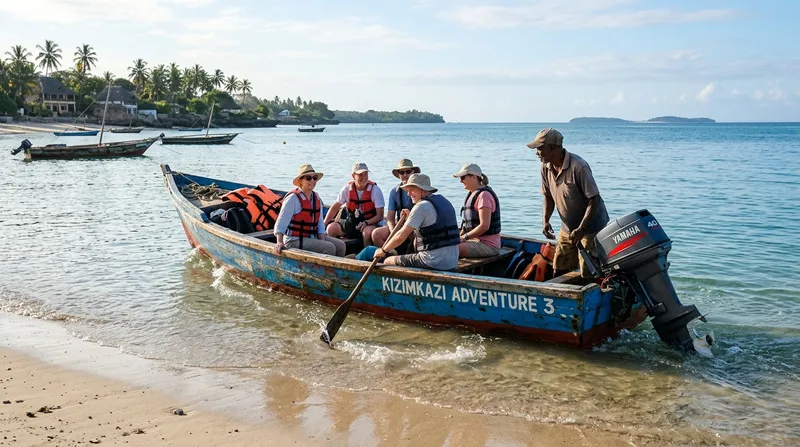
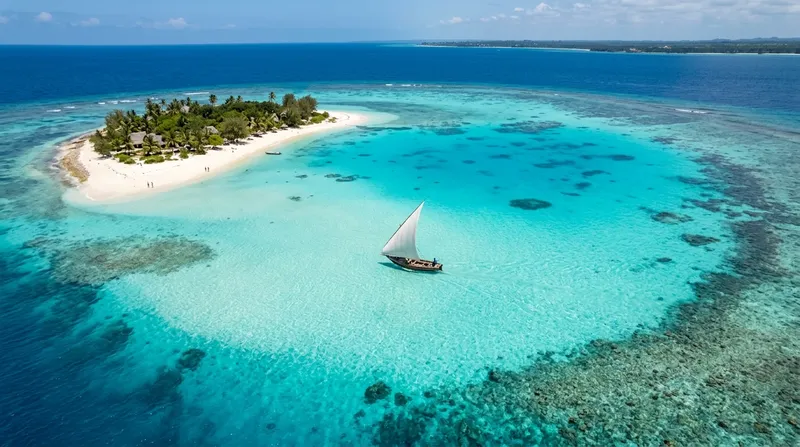
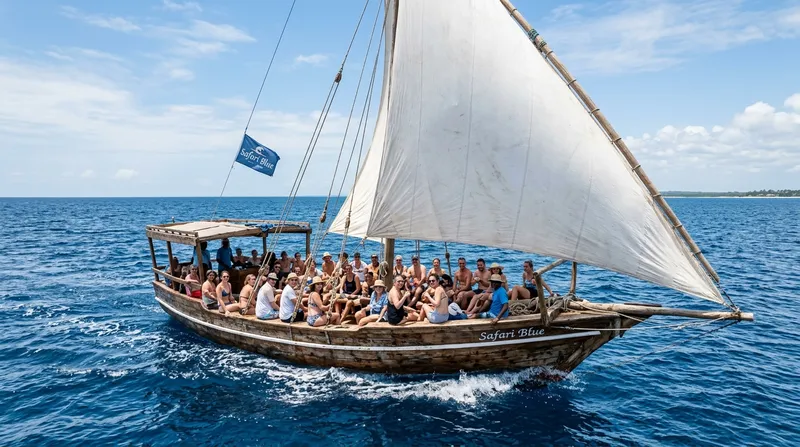
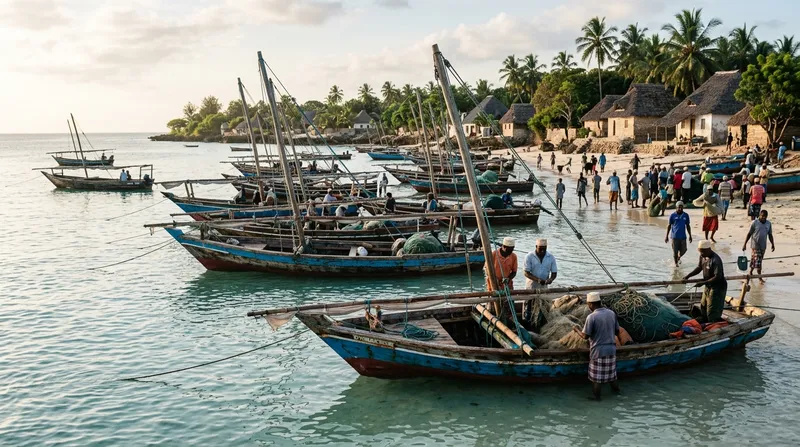
Kizimkazi, a fishing village on Zanzibar's southwest coast, is the departure point for the island's best-known wildlife excursion: boat trips out to find pods of bottlenose and humpback dolphins in the waters of Menai Bay. The zanzibar dolphin tour kizimkazi format has barely changed in two decades — small wooden boats, a 10-20 minute ride offshore, and the chance to jump in with a mask and snorkel once dolphins are spotted.
It's a genuinely popular booking. Ask any tour desk in Stone Town or along the south coast resorts near Jambiani and Paje, and dolphin tours will be on the list alongside Jozani Forest visits and Prison Island day trips. The appeal is obvious — wild dolphins, visible most mornings, no aquarium involved.
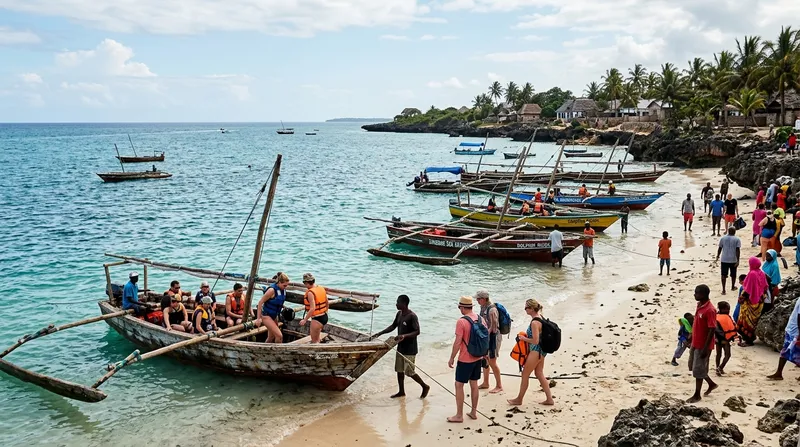
The catch is that popularity has created crowding. On a busy morning you might see eight or ten boats converging on the same small pod, each one dropping six to eight swimmers into the water at once. That's not a dolphin encounter, that's a scrum. Compare this to a place like Mnemba Atoll, where snorkeling trips are regulated by a conservation fee and boat numbers are capped — Kizimkazi has historically had far less enforcement, though Menai Bay is technically a conservation area.
What's included in the experience
A standard package includes hotel pickup (if arranged through a resort or Stone Town agency), the boat ride to Kizimkazi or direct departure if you're already staying nearby, snorkel gear, and a guide who spots pods from fin movement and radios other boats. Most operators also fold in a stop at Jozani Forest to see red colobus monkeys, since it's roughly a 45-minute drive back toward Stone Town. Some itineraries add Pungume Island or the Salaam Cave freshwater pool near Kizimkazi as a second stop, turning the morning into a half-day combo. Lunch is rarely included at the base price — check this before booking, since it's an easy upsell operators tack on.
Tour duration and logistics
Expect a 3-4 hour window total: pickup, drive to Kizimkazi (up to an hour from Nungwi, 20-30 minutes from Paje or Jambiani), a safety briefing, then 1.5-2 hours on the water split between searching and actual swim time. Departures are early, typically 7:00-8:00am, because dolphins are more active and boat traffic lighter before mid-morning. Sea conditions matter — a windy day kicks up swell in the channel between Kizimkazi and Pungume Island, which can cut a trip short or make snorkeling miserable for anyone prone to motion sickness.
Head-to-Head: Experience vs. Ethics vs. Cost
Weighing a Kizimkazi dolphin tour means balancing three things that pull against each other: how good the encounter actually feels, what it costs the dolphins, and what it costs you. No operator excels at all three simultaneously, which is the uncomfortable truth most tour listings skip over.
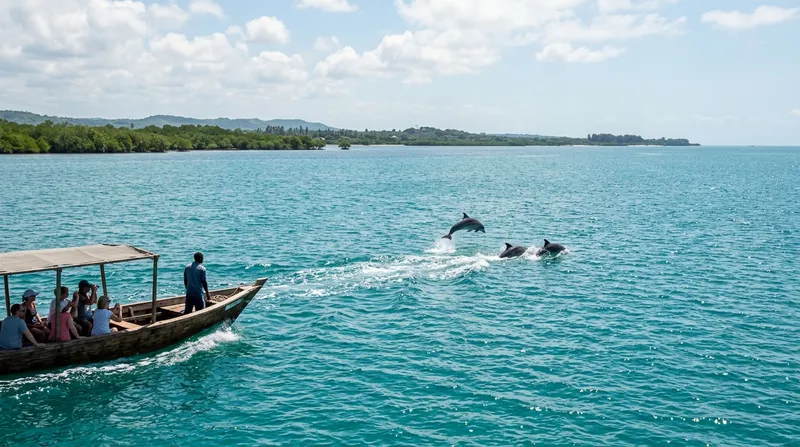
Private, small-group boats cost more but cause less disturbance and crowding than standard shared tours.
Zanzibar dolphin tour Kizimkazi: options compared by cost, ethics, and experience
| Option | Price range (USD) | Group size | Ethical rating | Best for |
|---|---|---|---|---|
| Standard shared Kizimkazi boat | $25-45 | 6-10 swimmers | Low-Moderate | Budget travelers, quick add-on |
| Private Kizimkazi boat | $70-100 | 2-4 swimmers | Moderate | Couples, photographers |
| Kizimkazi + Jozani combo | $40-60 | 6-10 swimmers | Low-Moderate | First-time visitors, families |
| Menai Bay conservation trip | $40-70 | Small groups | Higher | Nature lovers, researchers-minded travelers |
| Mnemba Atoll snorkeling | $40-60 | Small-medium groups | Higher (reef, no chasing) | Snorkelers wanting reef life |
Figures approximate as of 2024; prices vary by operator, season, and hotel pickup distance.
Time commitment and scheduling
Book early morning slots only. Afternoon trips exist but sightings drop off noticeably once boat traffic peaks and dolphins move to deeper, calmer water. If your resort is in Nungwi or Kendwa in the north, factor in a 1-1.5 hour drive each way — that's half your day gone for a tour that might net 20 minutes of actual dolphin contact. Travelers based in Jambiani, Paje, or the south coast have it easier, with some guesthouses able to arrange same-morning bookings with a Kizimkazi-based operator directly.
Cost and value comparison
Kizimkazi dolphin tour price typically runs $25-45 USD per person for a standard half-day boat trip, with combined Jozani Forest packages landing at $40-60. Private boats with fewer swimmers cost more, sometimes $70-100 per person, but mean you're not sharing the water with six other tourists and three other boats. That price gap is where the real decision sits: cheap, crowded, and ethically shakier, or pricier, smaller, and calmer. For comparison, a Mnemba Atoll snorkeling trip with its conservation fee runs similarly ($40-60) but delivers reef life guaranteed, where dolphins are never guaranteed anywhere.
Effort level and physical demands
You need comfortable, confident swimming ability — dolphins don't wait, and you'll be asked to jump in quickly, sometimes in open water with mild current. Boats can rock hard chasing a moving pod, which catches out people who get seasick easily. Children under about 8 generally shouldn't swim with dolphins even if they can swim, since the quick entries and open water conditions aren't forgiving. Older kids and teens with solid swimming skills usually do fine and tend to remember it as a trip highlight.
Ethical and environmental impact
This is the part most brochures gloss over. Studies on Zanzibar's dolphin tourism (including research referenced by groups like the African Impact Dolphin & Marine Conservation Project, which has run research and community education in Kizimkazi) have flagged boat harassment, pod disturbance, and changed dolphin behavior patterns from repeated daily chasing. Multiple boats converging on one pod, engines gunning to keep pace, swimmers dropped directly in a dolphin's path — none of that is how responsible wildlife tourism is supposed to work. If an operator promises you'll "swim with dolphins guaranteed" or packs more than 6 swimmers per boat, that's a red flag, not a selling point.
Who Should Book This Tour
Not every traveler needs this experience, and that's fine to admit before you hand over a deposit.
Best suited travelers
Confident swimmers who've done their homework on operators, photographers wanting boat-based shots rather than in-water chasing, and nature lovers who accept that sightings aren't guaranteed will get the most out of this. Couples and honeymooners who book a private boat tend to report a calmer, less frantic morning — fewer boats, more space, and a guide who isn't racing competitors to the same pod. If you're already planning a south coast stay in Jambiani or Paje, bolting on a Kizimkazi morning is logistically easy and relatively cheap at $25-45.
Who should skip it
Skip it if you're uncomfortable with any wildlife tourism that involves chasing animals, if you're traveling with children under 8, or if you get seasick on small boats — there's no shade, limited cover, and open-water swell on windier days. Senior travelers with mobility concerns should also think twice; getting in and out of a rocking wooden boat quickly isn't easy for everyone. If ethics matter more to you than the dolphin encounter itself, this specific tour format probably isn't going to sit well with you afterward.
Better Alternatives to Consider
If the ethical trade-offs bother you — and they should give most travelers pause — there are solid alternatives that still get you on Zanzibar's water without the pod-chasing scrum.
Ethical marine conservation tours
The African Impact Dolphin & Marine Conservation Project, based around Kizimkazi, runs research-focused trips where tourists join photo-ID surveys and behavioral monitoring rather than swim-on-demand excursions. It's a different pace — more observation, less guaranteed swimming — but it funds the kind of data collection that's pushing for better regulation in Menai Bay. Eco Culture Zanzibar, a Stone Town-based operator with a longer track record in responsible tourism, also runs boat trips with smaller groups and clearer briefings on distance and approach rules. Expect to pay a similar $40-70 range, sometimes more for multi-day research placements.
Combined Zanzibar excursions
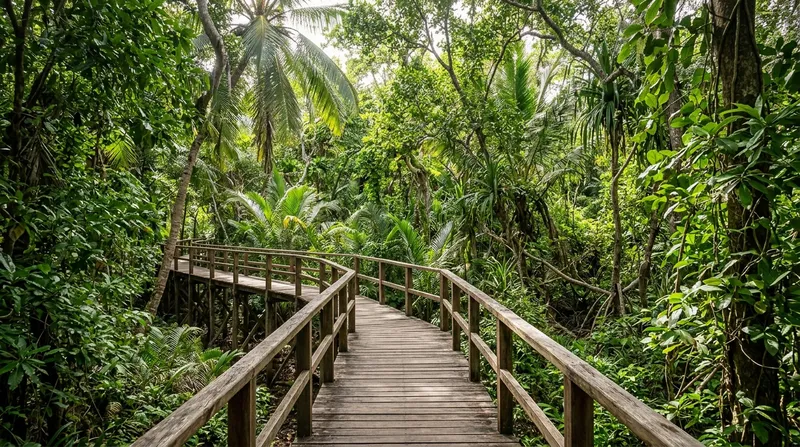
Shiri Adventures and similar south-coast operators package Kizimkazi mornings with stops at Jozani Forest, the Salaam Cave freshwater pool, or a snorkeling detour near Pungume Island, spreading the day across several lower-impact activities instead of hammering on dolphin contact alone. A Jozani Forest half-day on its own — walking boardwalks through mangrove and spotting red colobus monkeys, a species found almost nowhere else on Earth — is arguably more reliably rewarding than a dolphin swim, since sightings there are close to guaranteed. For divers and snorkelers, a Mnemba Atoll trip or a day out to Mafia Island's whale shark season (October to March) offers wildlife encounters with far less crowding pressure than Kizimkazi mornings.
Final Verdict: Is It Worth It?
A Zanzibar dolphin tour Kizimkazi booking is worth it if you choose carefully — small group size, an operator that limits swimmers per pod, and realistic expectations about sightings. It's not worth it if you book the cheapest shared boat on a busy August morning expecting a calm, intimate encounter; you'll get a dozen boats, a crowded scrum, and dolphins that look more stressed than curious.
Compare that to Mauritius, where similar dolphin tours off Tamarin face the same overcrowding criticism, or the Maldives and Seychelles, where dolphin sightings happen more incidentally during snorkeling or sailing trips rather than as the main event. Zanzibar's version is cheaper and more accessible than any of those, but the trade-off is a less regulated, more chaotic experience on the water. Bali's dolphin tours off Lovina face nearly identical ethical criticism for the same reasons — it's a pattern across budget dolphin tourism generally, not a Zanzibar-specific failure.
If you go, book direct with a known operator, ask explicitly how many boats and swimmers will be at the sighting, and treat a "no dolphins today" outcome as a real possibility, not a service failure. Compare current boat tours and prices before you book, and weigh a private Kizimkazi trip against a Menai Bay conservation outing or a Jozani Forest and Mnemba Atoll combo instead.
Frequently asked questions
How much does a Kizimkazi dolphin tour cost?
Standard shared boat tours run $25-45 per person, usually including snorkel gear and sometimes a Jozani Forest stop. Private boats with smaller groups cost $70-100 per person. Hotel pickup from the north coast (Nungwi, Kendwa) sometimes adds a transport fee given the 1-1.5 hour drive to Kizimkazi.
What's the best time to see dolphins in Zanzibar?
Early morning, 7:00-9:00am, gives the best odds, before boat traffic picks up and while dolphins are more active near the surface. Year-round sightings are possible, but calmer seas during the dry season (June-October and December-February) make for smoother boat rides and better visibility in the water.
Are Kizimkazi dolphin tours ethical?
It's mixed. Standard shared tours often involve multiple boats chasing the same pod and crowding swimmers into the water, which researchers have linked to behavioral disturbance in Zanzibar's resident bottlenose and humpback dolphins. Smaller operators and conservation-linked trips, like those run by the African Impact Dolphin & Marine Conservation Project, follow stricter distance and group-size rules.
How long does a typical dolphin tour take?
Most tours run 3-4 hours door-to-door, including transport, a safety briefing, and 1.5-2 hours on the water. Actual time spent near dolphins is usually much shorter — often 20-40 minutes — since pods move and sightings aren't guaranteed every outing.
What are the best alternatives to dolphin swimming tours?
A Jozani Forest visit to see red colobus monkeys offers near-guaranteed wildlife sightings with no chasing involved. Snorkeling trips to Mnemba Atoll or a day trip to Mafia Island for whale shark season (October-March) give lower-impact marine encounters. Menai Bay conservation-focused boat trips are the closest like-for-like swap if dolphins specifically are what you're after.