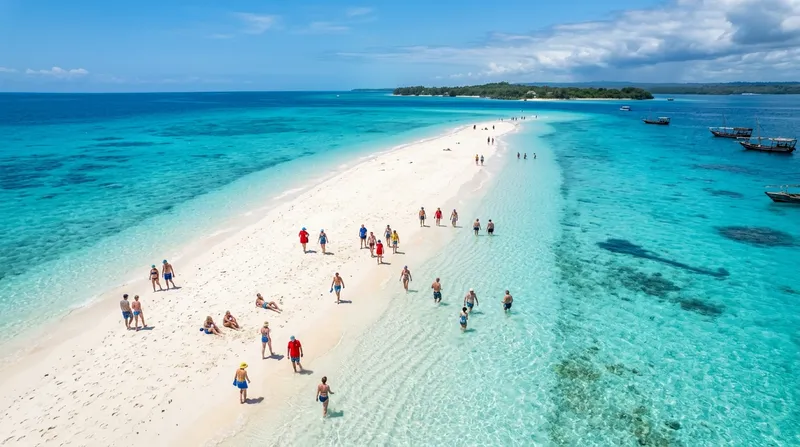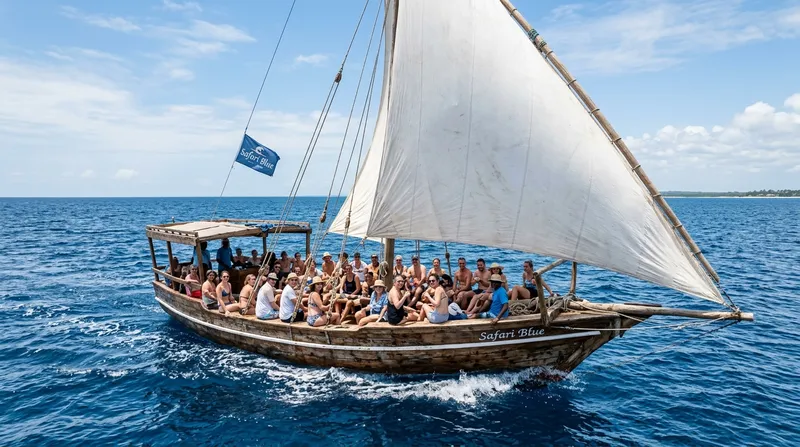
Planning a Chumbe Island tour in Zanzibar? Get details on day trip pricing, snorkeling, boat transfers, and how to book limited daily permits.
What Is Chumbe Island Coral Park
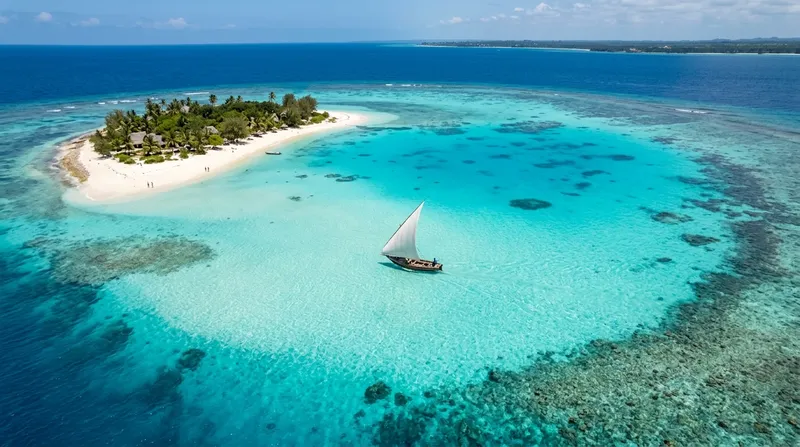
A Chumbe Island tour takes you to a privately managed marine reserve about 12 km south of Stone Town, Zanzibar's capital. The island itself is tiny — roughly 1.1 km long — but it sits beside one of the most intact fringing coral reefs left along the East African coast. Chumbe Island Coral Park was established in 1991 as a no-take marine protected area, predating Zanzibar's own government-run marine parks, and it's run as a nonprofit eco-project rather than a resort with a side business in day visits.
That history matters for what you'll experience. Fishing has been banned here for over three decades, which is unusually long for a reef this close to a capital city with a fishing economy. The result is coral cover and fish density that's noticeably higher than most snorkel spots around Unguja (Zanzibar's main island), including many stretches near the east coast resorts.
Marine sanctuary and conservation area
The reef sanctuary covers the shallow water along Chumbe's western shore, marked by buoys that separate the no-entry core zone from the snorkeling area. Rangers — most of them trained from fishing communities on the Zanzibar mainland side — patrol the water and double as snorkel guides. The island above water is a closed forest reserve too, home to a population of Aders' duiker, a small antelope that's rare on Unguja, plus giant coconut crabs that you'll likely see on the forest walk. Everything on the island, from the composting toilets to the rainwater catchment on the eco-bungalow roofs, runs on a low-impact model. It's worth knowing this isn't a beach club with a reef attached — the conservation mission comes first, and the visitor experience is built around it.
Why visit for snorkeling and nature
If you've snorkeled at Mnemba Atoll or off Pemba Island already, Chumbe gives you a different kind of experience: shallower water, easier entry straight off the beach, and a guided, interpretive approach rather than a boat-anchor-and-jump format. It suits people who want context — a ranger pointing out a moray eel's den or explaining why a particular coral bleached — rather than just open water time. Families with older children (the park generally expects kids to swim confidently) and photographers wanting calm, shallow light for macro shots tend to get the most out of it.
How to Visit: Independent vs Guided Tours
You cannot simply hire a local boat and turn up at Chumbe. Access is controlled entirely by the park itself — there's no independent arrival option, and that's by design, not an oversight. Every visitor, whether staying overnight in one of the seven eco-bungalows or coming for a single day, books through the park's own reservation system or an authorized agent, and arrives on a transfer boat the park organizes or approves.
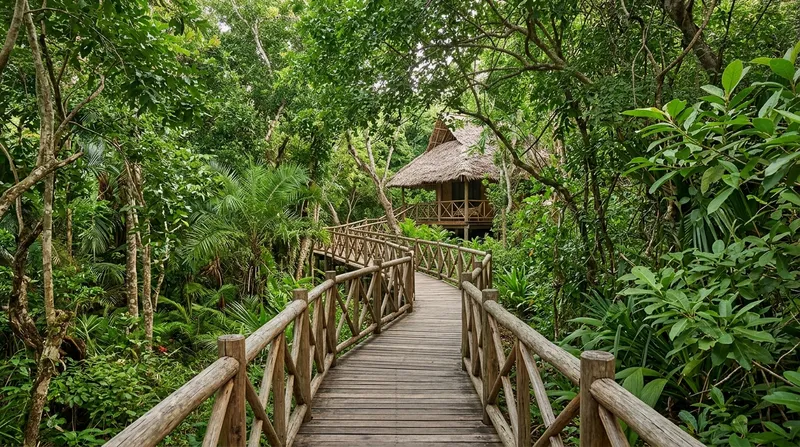
This is a real point of difference from somewhere like Mnemba, where numerous Zanzibar snorkeling tours from Nungwi or Matemwe compete to take you out independently in their own boats. At Chumbe, the boat transfer, guide, lunch and park fee come as one fixed package — you're not assembling the day from separate vendors.
Guided tour options and logistics
Day visits run as a single structured itinerary: morning departure, snorkeling session with a ranger guide, lunch on the island, a forest walk, then an afternoon boat back. You can find Chumbe listed on general booking platforms like GetYourGuide alongside other Zanzibar excursions, and it's reviewed on TripAdvisor under its own listing, but the actual booking and confirmation typically routes back to the park's reservations team or your hotel concierge, since numbers are capped. If you're staying somewhere like Jungle Paradis Beach Resort or a Stone Town hotel, ask the front desk to arrange it — many properties have a direct line to Chumbe's booking office and can confirm faster than a third-party platform.
Boat transfers from Stone Town
The standard pickup point is a jetty near Mbweni Ruins, just south of Stone Town, rather than the main Stone Town harbor itself — though some packages include a hotel pickup that routes you there. The crossing takes about 30 to 45 minutes by boat, depending on tides, since the approach to Chumbe's own jetty is tide-dependent and can shift timing by half an hour either way. Build in flexibility on departure morning; this isn't a fixed-schedule ferry, and the park will adjust pickup times around tide tables rather than the reverse.
Booking, Tickets & Permit System
The permit system is the single biggest planning factor for a Chumbe Island tour, more than price or season. Because the island limits both overnight guests and day visitors to protect the reef and forest, there's a hard ceiling on how many people are allowed on Chumbe on any given day — day-trippers are capped at a small number, separate from the handful of overnight bungalows. This isn't marketing scarcity; it's a working conservation limit the park has held to since it opened to tourism in the 1990s.
Chumbe Island offers denser coral and guided access but costs more and requires earlier booking than open-access Zanzibar snorkel spots.
Chumbe Island tour vs other Zanzibar snorkeling options compared
| Option | Typical Cost (USD/person) | Booking Lead Time | Access Type | Best For |
|---|---|---|---|---|
| Chumbe Island Coral Park | approx. 100–160 | 2–4 weeks in peak season | Permit-controlled, guided only | Reef quality, conservation, photography |
| Mnemba Atoll snorkel trip | approx. 40–70 | A few days | Open booking, multiple operators | Budget snorkeling, flexible timing |
| Mafia Island reef trip | approx. 50–90 | 1–2 weeks | Semi-open, limited operators | Whale shark season, fewer crowds |
| Pemba Island dive/snorkel | approx. 60–100 | 1–2 weeks | Open booking | Wall diving, experienced snorkelers |
Figures as of 2025, approximate and subject to seasonal change; confirm current pricing when booking.
Daily visitor limits and availability
Expect day-trip slots to run out during July–September and the December–January holiday weeks, when Zanzibar's broader tourist season peaks. Outside those windows you can sometimes book just a few days ahead, but during peak weeks it's realistic to need two to four weeks' lead time. If you're planning a honeymoon trip or traveling as a couple around a tight Zanzibar itinerary, lock in Chumbe before you book anything else time-sensitive — it's far more likely to sell out than a sunset dhow cruise or a Stone Town walking tour.
Booking platforms and reservation process
Three realistic booking routes exist: the park's own website and email reservations team, your hotel or guesthouse concierge, or a general platform like GetYourGuide where Chumbe appears alongside other Zanzibar day-tour listings. Direct booking with the park tends to be the most reliable for day trips since it avoids a third-party layer, but it usually requires email back-and-forth rather than instant confirmation. Whichever route you use, get written confirmation of your boat pickup time and location before the day — Mbweni Ruins jetty logistics aren't always obvious to first-time visitors, and taxi drivers in Stone Town don't always know the exact pickup point.
What's Included in the Day Tour
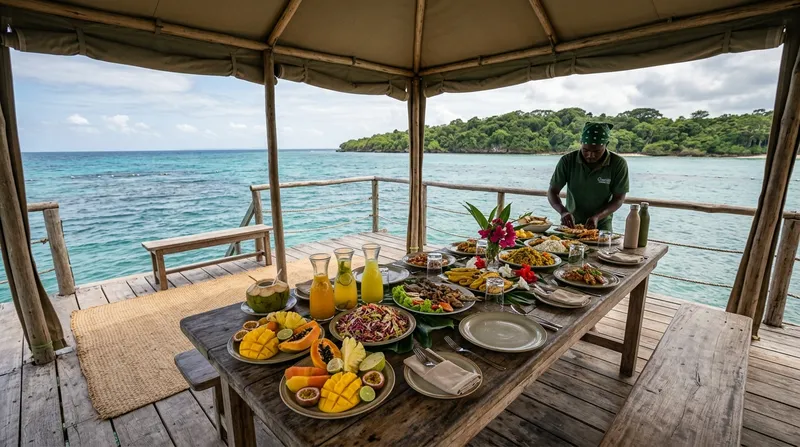
A standard Chumbe Island day trip is priced as an all-inclusive package covering the boat transfer, park entry fee, ranger-guided snorkeling, a forest walk, and a sit-down lunch — typically in the range of USD 100–160 per person, though you should check current prices when booking since the park adjusts rates seasonally and by group size. That's higher than a shared boat snorkel trip to Mnemba (often USD 40–70), but Chumbe's fee directly funds reef rangers and the closed-access conservation model, which is part of what you're paying for.
Snorkeling activities and marine life
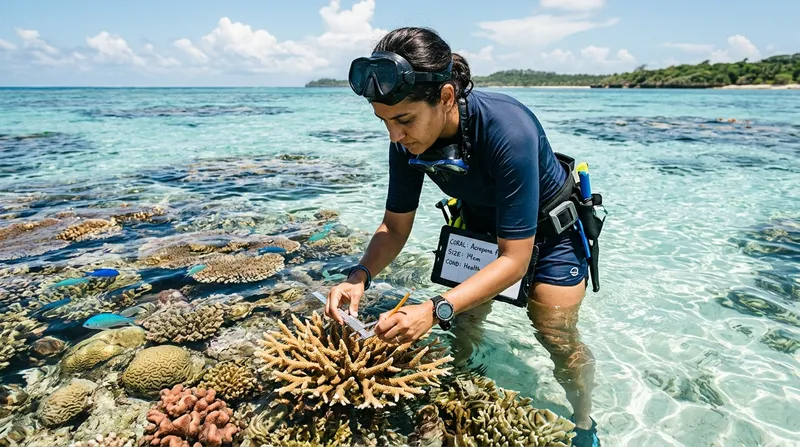
The snorkel session runs about 45 minutes to an hour, guided by a ranger who swims with the group and points out species using waterproof fish identification cards. Expect genuinely dense coral cover in the shallows — closer to what long-term visitors describe at Pemba's reef walls than the sometimes crowded sandbank snorkeling near Mnemba. Sightings commonly include parrotfish, unicornfish, moray eels, and reef sharks on quieter days, though sightings vary with tide and season and the park makes no promises on specific species. Visibility is best on calmer days outside the rainy months.
Forest walk and other activities
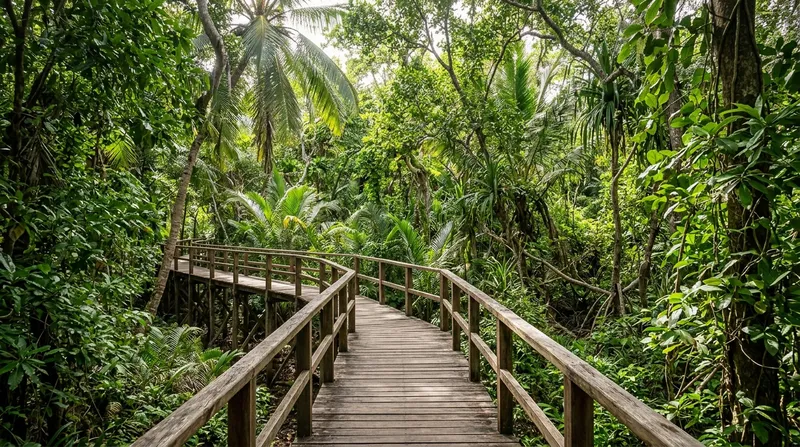
After lunch, a ranger leads a roughly 45-minute walk through the coral rag forest to the restored 19th-century lighthouse, Chumbe's most recognizable landmark, with views back across the channel toward Zanzibar. The walk covers natural history — coconut crabs, baobabs, the duiker population — rather than being a strenuous hike; it's flat and shaded, manageable for most fitness levels including many senior travelers. I'd skip bringing heavy camera gear on the walk itself since the canopy limits light, but it's worth it for the lighthouse view alone.
Best Time to Visit & Seasonal Tips
Chumbe operates day trips year-round except during a closure period, typically falling within the long rains in April and part of May, when the park shuts entirely for maintenance and rough seas make the crossing unreliable. Outside that window, the clearest water and calmest crossings tend to come from June through October and again from late December through February.
Weather and seasonal considerations
Avoid booking a Chumbe day trip during the short rains in November if you can help it — showers are frequent and the boat crossing gets choppier, which affects snorkeling visibility more than it affects comfort on land. Peak season (July–September, and the holidays) means better weather but a real risk of sold-out day-trip slots, so there's a genuine trade-off between weather odds and booking ease. If you're a photographer chasing clear water for underwater shots, aim for a window in late June or February — shoulder periods with decent visibility and fewer other travelers competing for permits.
Nearby attractions and add-ons
Because the boat departs near Mbweni Ruins, it's easy to pair a Chumbe day trip with a morning at the ruins themselves — a 19th-century mission settlement with overgrown coral-stone buildings — or an afternoon back in Stone Town, a UNESCO World Heritage old town about 20 minutes away by taxi. Don't try to stack Chumbe with another full excursion on the same day; between tide-dependent transfers and the structured on-island schedule, you'll want the whole day kept open. Travelers comparing Zanzibar to Mauritius or the Seychelles sometimes expect more flexibility in scheduling — Chumbe is the one Zanzibar experience that runs closer to a fixed, managed itinerary than most of the island's other tours.
Frequently asked questions
Can I do a day trip to Chumbe Island?
Yes. Chumbe Island offers single-day visits that don't require an overnight stay in the eco-bungalows. The day trip includes the boat transfer from near Stone Town, guided snorkeling, lunch, and a forest walk, all run on a fixed schedule set by the park rather than something you can arrange independently.
How much does a Chumbe Island tour cost?
Day trips typically run in the range of USD 100–160 per person, covering transfer, park fee, guide, and lunch. That's noticeably more than a shared Mnemba Atoll snorkel trip (often USD 40–70), reflecting the conservation fee structure. Always check current prices directly with the park or your booking platform, since rates shift seasonally.
What activities are included in the tour?
A standard day includes a ranger-guided snorkel session of about 45–60 minutes along the reef sanctuary, a cooked lunch on the island, and an afternoon forest walk to the historic lighthouse. Some visitors also get time to relax on the beach between activities, depending on the tide schedule for the return boat.
How do I book and reserve a spot?
Book through the park's own reservations contact, your Zanzibar hotel's concierge, or a general platform like GetYourGuide that lists Chumbe among other day tours. Because daily visitor numbers are capped, book at least two to four weeks ahead for July–September or the December holidays, and get written confirmation of your pickup time near Mbweni Ruins.
What should I bring for snorkeling?
Bring reef-safe sunscreen (standard sunscreen is discouraged near the protected reef), a swimsuit, a light cover-up for the forest walk, and water shoes if you have them, since the entry point can be rocky at low tide. The park typically provides snorkel masks and fins, but check this when booking if you prefer your own gear.