Book Zanzibar ferry tickets online. Compare operators, prices, schedules & classes. Safe booking guide for Dar to Zanzibar ferries with all options.
What Is a Zanzibar Ferry Ticket?
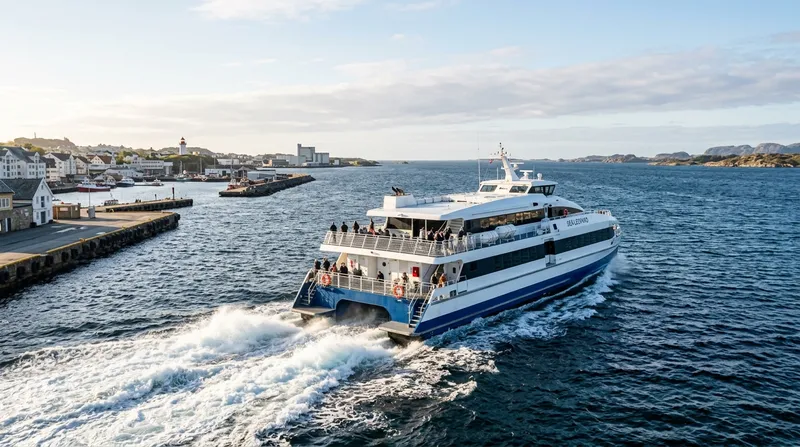
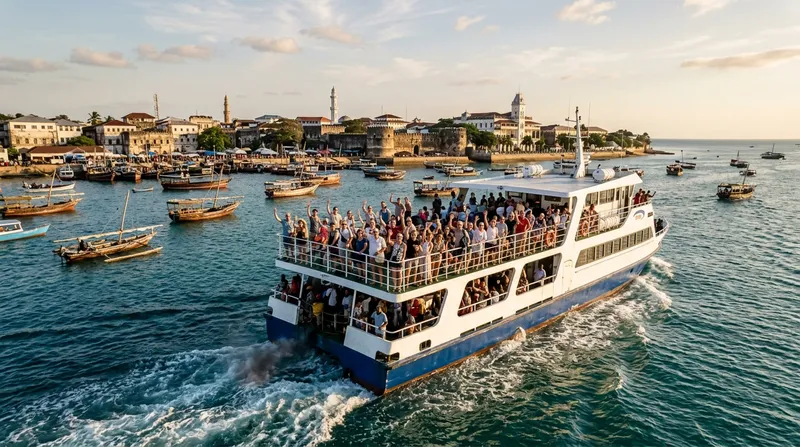
A Zanzibar ferry ticket is your pass for the passenger boat crossing between mainland Tanzania and Unguja (Zanzibar's main island), run by a handful of licensed operators using high-speed catamarans. It's not a vehicle ferry — these are fast passenger vessels built for the Zanzibar Channel crossing, carrying anywhere from a few hundred to over a thousand people per sailing depending on the boat.
Most travelers buy this ticket as the budget alternative to flying. A one-way economy fare runs roughly $35-50 USD for foreigners as of 2024, though prices vary by operator and class — always confirm current rates on the official booking site before paying. Flights between Dar es Salaam and Zanzibar take about 20 minutes and often cost similarly once you add airport transfers, so the ferry isn't always the cheaper option once your time is factored in. It is, however, the more scenic one, and the one most backpackers and overlanders end up using by default.
I'd avoid thinking of this as a simple "buy and go" ticket the way you might for a city bus. Sea conditions, boat maintenance, and occasional overbooking on popular routes mean you should treat the ferry schedule as a plan, not a guarantee.
Route overview and journey duration
The core route runs between Dar es Salaam and Zanzibar's Stone Town, a crossing of roughly 25-30 nautical miles that takes about 2 hours on the fast ferries. Some operators also run connections onward to Pemba Island, which adds several more hours and is a far rougher ride — Pemba-bound sailings are less frequent and worth checking carefully before booking, since schedules there change more often than the main Dar-Zanzibar route.
Compare that to flying: a short hop of 20 minutes versus a 2-hour boat ride. For most travelers without heavy luggage or tight connections, the time difference isn't dramatic once you include the hour or so needed at the ferry terminal for check-in and security. If you're continuing to Mafia Island, note that it's not on this ferry network at all — you'd need a separate flight or a different boat service entirely, as Mafia sits further south along a different stretch of coast.
Terminal locations and departure points
On the Dar es Salaam side, ferries depart from the Dar es Salaam port terminal near the city center, within walking distance of several hotels but a bit of a scrum to navigate with luggage — touts and unofficial "agents" cluster around the entrance, and it's worth ignoring anyone who approaches you before you've reached the official ticket counter. On the Zanzibar side, boats dock at Malindi Port in Stone Town, close enough to the old town that you can walk to many guesthouses, though taxi drivers wait right at the exit if you'd rather not drag bags over cobblestones.
Arrive at least 60-90 minutes before departure. Security screening, baggage checks, and immigration-style passenger manifests (even for domestic-feeling travel, Zanzibar maintains separate entry registration) all take longer than you'd expect, especially during peak season crowds in July-August and December-January.
Ferry Operators & Ticket Classes
Three names dominate this route: Azam Marine, Kilimanjaro Fast Ferries, and the smaller ZanFast Ferries. Azam Marine is the largest and most established, running multiple daily sailings with a reputation most travelers and expats consider the most consistent for reliability and safety standards. Kilimanjaro Fast Ferries is the main competitor, with similar pricing and a comparable safety record — the two often get recommended interchangeably by people who've used both.
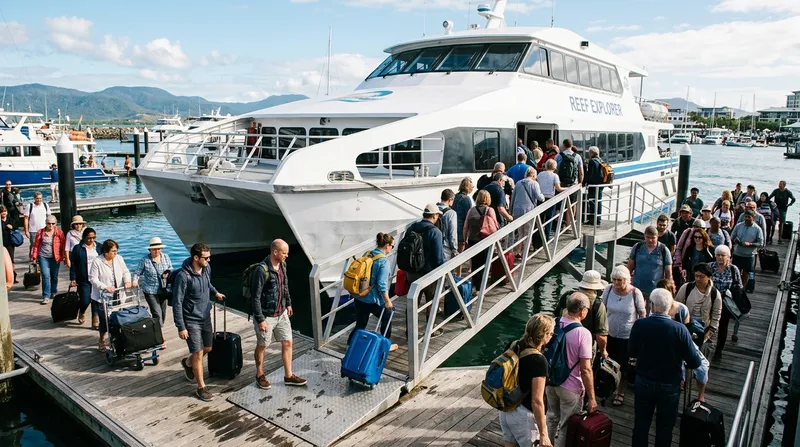
ZanFast is smaller and less frequently reviewed online, which doesn't necessarily make it worse, just less of a known quantity. If safety record matters most to you — and after Zanzibar's history of ferry accidents in decades past, it should — I'd default to Azam Marine or Kilimanjaro Fast Ferries over lesser-known names, simply because they have more sailings, more oversight, and more public track record to check.
Azam Marine and Kilimanjaro Fast Ferries offer the most frequent, best-documented service, with VIP class recommended for anyone prone to seasickness.
Zanzibar ferry operators and ticket classes compared
| Operator/Class | Approx. Price (one-way, 2024) | Journey Time | Comfort Level | Best For |
|---|---|---|---|---|
| Azam Marine - Economy | $35-40 | ~2 hours | Basic, crowded | Budget travelers |
| Azam Marine - VIP | $50-60 | ~2 hours | Recliners, lounge | Comfort-focused travelers |
| Kilimanjaro Fast Ferries - Economy | $35-40 | ~2 hours | Basic | Backpackers |
| Kilimanjaro Fast Ferries - VIP | $50-60 | ~2 hours | High comfort | Couples, seniors |
| ZanFast Ferries - Standard | $30-40 | ~2-2.5 hours | Variable | Flexible travelers |
| Domestic flight (Dar-Zanzibar) | $80-120 | ~20 minutes | High | Time-limited travelers |
Prices approximate as of 2024 and vary by season and booking channel; confirm current fares on operator websites before booking.
Major operators and their services
Azam Marine operates several vessels on the Dar-Zanzibar route with multiple departures most days, and also runs onward connections to Pemba a few times a week. Kilimanjaro Fast Ferries runs a similar schedule with slightly different departure windows, which is useful if Azam's timing doesn't suit your day — check both before locking in dates. Neither publishes real-time seat availability on third-party sites reliably, so for exact departure times, go to the operator's own website or their counter at the terminal rather than trusting a schedule you found elsewhere.
Seating classes and comfort levels
Most operators offer two or three classes: Economy, Business (sometimes called "Royal"), and VIP. Economy gets you a standard seat, often in a crowded lower cabin with less air conditioning control and closer proximity to the engine noise. Business class usually means wider seats, a quieter cabin, and sometimes a complimentary snack or drink. VIP is the top tier — recliner-style seating, a dedicated lounge area, often with better views and less motion sensation since VIP sections tend to sit higher or more central in the hull.
If you get seasick easily, pay the upgrade. The difference between Economy and VIP is often only $10-20 USD, and on a choppy day during the southeast monsoon (roughly June to September), that upgrade is worth every shilling.
Ticket Inclusions, Exclusions & Comparison
A standard ferry ticket covers your seat, basic air conditioning, and access to onboard toilets. It typically does not include meals beyond maybe a bottle of water in higher classes, travel insurance, or port fees — some operators add a small terminal tax collected separately at check-in, so keep a bit of local currency on hand even if you've paid online in dollars.
Compare this to flying with a local carrier like Coastal Aviation or ZanAir, where checked baggage allowances are stricter (often just 15kg) but the journey is over before you've finished your coffee. The ferry is more forgiving on luggage but far less forgiving on comfort if the sea is rough — there's no in-between.
What's covered in each ticket type
Economy: seat only, shared cabin, no food included. Business: assigned seating in a separate section, sometimes a snack and juice. VIP: reclining seats, lounge access, often the first class to disembark, which matters more than it sounds like when a few hundred people are racing for one set of immigration desks at Malindi Port. None of the classes include travel insurance — given that sea conditions can occasionally cause delays or cancellations, I'd buy a separate travel insurance policy that covers short-haul ferry travel, since most standard policies do cover this but it's worth confirming.
Baggage policies and passenger requirements
Baggage allowances are generally more relaxed than flights — most operators allow one large bag plus a carry-on without extra charge, though oversized items like surfboards or bulky dive gear may incur a small additional fee paid at the counter. There's no strict weight limit enforced the way airlines do it, but don't push your luck with multiple large suitcases; staff can and do turn away excess bags during busy periods.
You'll need a valid passport (Zanzibar maintains its own immigration checkpoint even for travelers already in mainland Tanzania) and, if applicable, your Tanzania visa or e-visa confirmation. Children need their own ticket and passport — there's no lap-infant exception on this route.
How to Book Ferry Tickets Online
Booking Zanzibar ferry tickets online is straightforward if you stick to recognized channels. The two main operators, Azam Marine and Kilimanjaro Fast Ferries, both run their own booking websites where you can select a date, class, and passenger count, then pay by card. This is the most reliable way to lock in your preferred departure and avoid markup.
Third-party aggregators like DirectFerries, BookAway, and Rome2Rio also list these routes and can be useful for comparing schedules side-by-side, but they often add a booking fee, and customer service if something goes wrong is generally slower than dealing with the operator directly. I'd use these sites for research — checking rough timings and prices — then book the actual ticket on the operator's own platform if the option is available.
Official booking channels and platforms
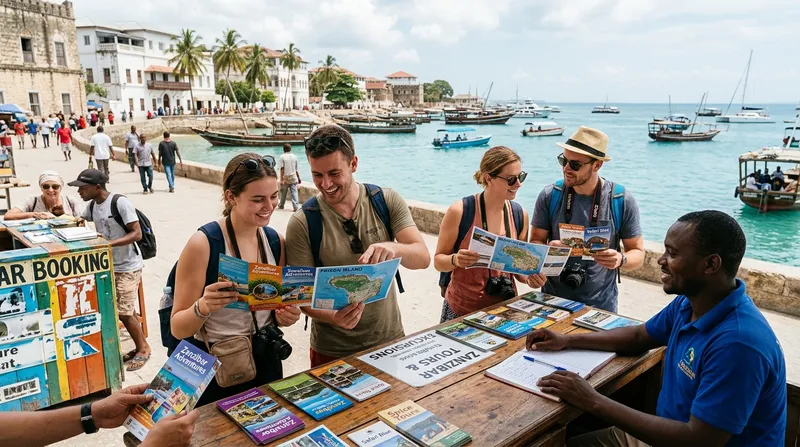
Go directly to the Azam Marine or Kilimanjaro Fast Ferries website, or book in person at their counters in Dar es Salaam port or at travel agencies in Stone Town. Many hotels and guesthouses in Zanzibar will also book on your behalf for a small commission, which can be worth it if you don't want to deal with payment gateways that sometimes reject foreign cards. Avoid buying from unofficial resellers who approach you on the street near the terminal — this is where most ticket scams happen, usually involving inflated prices or tickets for a boat that doesn't match what was promised.
Booking requirements and documentation
You'll need passport details for every passenger at the time of booking, since Zanzibar's immigration checks ticket names against passports on arrival. Book at least a few days ahead during peak season (July-August, December-January) when popular morning departures sell out. Outside peak times, booking a day or two in advance is usually fine, though same-day tickets can sometimes be bought at the terminal counter if sailings aren't full — don't count on this as your only plan, though.
Is It Worth It? By Traveller Type
Whether the ferry makes sense depends heavily on who's traveling and what else is on the itinerary. If you're island-hopping onward to Pemba Island or treating Zanzibar as a stop before heading to Mombasa by road and sea, the ferry network fits naturally into that route in a way flights don't always connect as cheaply. If you're coming from further afield — say comparing this trip to a Maldives or Seychelles holiday — the ferry adds a layer of logistics those destinations don't require, since both are typically direct-to-resort by speedboat or seaplane with none of this inter-island ticketing.
Budget travellers and backpackers
For backpackers, the ferry is usually the better call — Economy class at roughly $35-40 one-way compares well against flights that can run $80-120 depending on season and airline. The trade-off is comfort and reliability: sea conditions can delay departures, and Economy seating gets cramped on full sailings. If you've got a flexible schedule and don't mind a bit of rough water, it's a sensible way to save money that can go toward diving around Mnemba Atoll instead.
Families and comfort-focused passengers
Families with young kids, honeymooners, and senior travelers are generally better off paying for VIP class or just flying outright. Two hours on a rocking boat with a toddler, or with a parent who gets motion sick, can sour the start of a trip that's supposed to feel like Bali or Mauritius-style relaxation. The price difference between a VIP ferry ticket and a short domestic flight is often smaller than people assume once you add in port transfers and waiting time, so comfort-focused travelers should run the real numbers before defaulting to the boat out of habit.
Frequently asked questions
How much does a Zanzibar ferry ticket cost?
Economy tickets for foreigners typically run around $35-40 USD one-way as of 2024, with VIP or Business class closer to $50-60. Prices differ by operator and season, and foreigners generally pay more than Tanzanian residents, so always check the exact fare on Azam Marine's or Kilimanjaro Fast Ferries' official site before paying.
Can I book ferry tickets online in advance?
Yes. Both Azam Marine and Kilimanjaro Fast Ferries let you book directly through their websites with a credit card, selecting date, class, and passenger details. Third-party sites like DirectFerries or BookAway also list these routes, but booking direct usually avoids extra service fees and gives you more reliable customer support if plans change.
What documents do I need for ferry travel?
A valid passport is required for every passenger, since Zanzibar runs its own immigration check even for travelers already in mainland Tanzania. If you're on a Tanzania visa or e-visa, keep a copy of your approval handy. Children need individual tickets and passports — there's no exception for infants.
How long does the Dar to Zanzibar ferry take?
The crossing takes roughly 2 hours on the standard fast ferries operated by Azam Marine and Kilimanjaro Fast Ferries. Add another 60-90 minutes on each end for check-in, security, and immigration formalities at the terminals in Dar es Salaam and Stone Town's Malindi Port.
Which ferry operator is safest and most reliable?
Azam Marine and Kilimanjaro Fast Ferries are the two most established operators, with more frequent sailings and a longer public track record than smaller companies like ZanFast. Given Zanzibar's history of past ferry incidents, it's worth sticking to these better-known operators and choosing VIP or Business class when sea conditions look rough, particularly during the June-September monsoon.