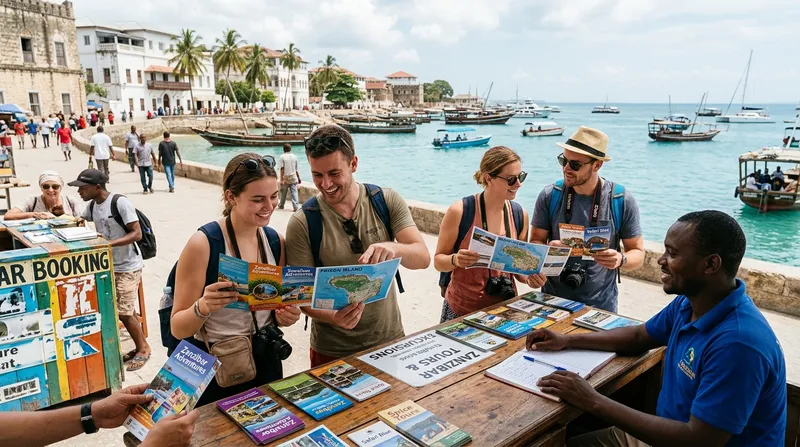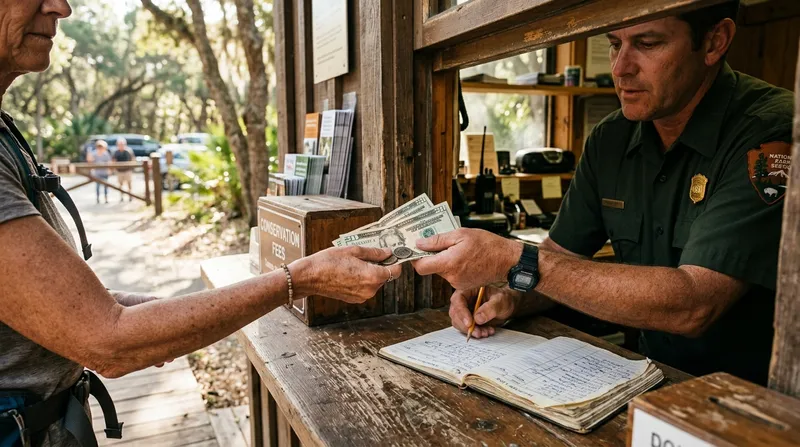
Complete guide to Zanzibar conservation fees, park entry costs, and payment methods. Avoid surprises with a transparent fee breakdown for 2025.
What Are Zanzibar Conservation Fees?
Zanzibar conservation fees are entry charges collected at protected natural sites across the archipelago — forests, marine parks, and community-managed conservation areas — to fund ranger patrols, habitat protection, and local management structures. They're separate from Zanzibar's general tourist tax and from the $1 marine conservation levy some hotels collect at check-out. If you're planning a trip that includes Jozani Forest, Mnemba Atoll snorkeling, or a Menai Bay dolphin tour, you'll pay a conservation fee at each one individually. There's no single Zanzibar-wide pass that covers everything, which surprises a lot of first-time visitors expecting something like a national park card.
I'd call this a fair but poorly communicated system. The money genuinely funds patrols and community projects in most cases — Jozani's red colobus population has recovered partly because of enforced boundaries funded this way — but pricing information online is inconsistent, and tour operators don't always itemize what's included in a quoted excursion price.
What the fee covers
At forest and terrestrial sites, the fee typically covers a guided walk, trail access, and sometimes a boardwalk fee for sensitive wetland areas (Jozani's mangrove boardwalk has historically carried a small separate charge). At marine sites like Menai Bay Conservation Area or the waters around Mnemba, the fee funds ranger boats, buoy maintenance, and reef monitoring — it does not cover equipment rental, boat transport to the site, or a guide's tip. Always ask your operator whether the quoted excursion price is "fee inclusive" before you book; plenty aren't, and you'll be asked to pay cash on arrival.
Where fees are collected
Fees are collected at the gate for land sites — Jozani Forest has a visitor center where you pay before the guided walk starts. For marine areas, payment usually happens through your boat operator, who collects the Menai Bay or Mnemba fee as part of the day's logistics and pays the conservation authority directly, or you pay a ranger who boards the boat at a checkpoint. Tanzania National Parks (TANAPA) does not manage most Zanzibar sites directly — Zanzibar's forests and marine parks fall under the Department of Forestry, the Zanzibar Marine Conservation Unit, and community-based Wildlife Management Areas, which is part of why fee structures differ from mainland Tanzania's TANAPA system, including Serengeti or Kilimanjaro National Park pricing.
Complete Fee Breakdown by Activity
Expect to pay separately for each protected site you visit — there's no cumulative discount for visiting several in one trip, though some operators bundle Jozani and a Spice Farm tour into one day price.
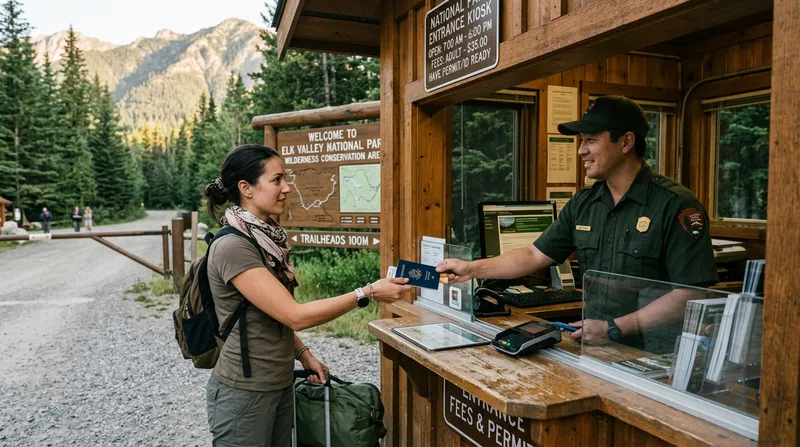
Foreign visitor fees vary most by site type, with marine atoll access generally costing more than forest reserve entry.
Zanzibar conservation fees compared by site and visitor type
| Site | Typical Foreign Fee (approx. USD) | Typical Resident Fee | Fee Covers |
|---|---|---|---|
| Jozani Forest Reserve | $8-12 | Under $2 (TZS) | Guided walk, trail access |
| Menai Bay Conservation Area | $2-5 | Lower, TZS-based | Boat ranger access, reef monitoring |
| Mnemba Atoll | $5-10+ | Not applicable (tourist-focused site) | Marine park access, buoy maintenance |
| Pemba Island marine sites | Varies, set separately | Lower, TZS-based | Reef and marine access |
| Mafia Island Marine Park | Separate published fee | Lower, TZS-based | Park entry, camping where available |
Figures as of 2025, approximate and subject to change — confirm current pricing with the managing authority or your tour operator before booking.
Entry and daily conservation fees
Jozani Forest Reserve's standard adult foreign-visitor entry fee has hovered around $8–12 USD in recent years (confirm current pricing on arrival or via your tour operator, as it's periodically revised). Children typically pay roughly half the adult rate. This is a single-visit fee, not a daily pass — if you return the next day, you pay again. Some conservation areas on Pemba Island, such as those protecting Pemba's smaller reef systems, charge comparable but separately set fees, since Pemba's tourism board manages its own pricing independent of Unguja (the main Zanzibar island).
Marine tours and water activities
Mnemba Atoll's conservation fee is the most expensive of Zanzibar's marine charges, commonly cited around $5–10 USD per person though some seasons and operators report higher bundled totals when boat access fees are folded in — always ask for a breakdown. Menai Bay Conservation Area, a larger and less exclusive marine zone known for dolphin encounters, charges a lower per-person fee, generally cited in the $2–5 USD range. Neither fee includes snorkel gear rental, which typically costs an additional few dollars if you don't bring your own mask and fins.
Camping and multi-day passes
Camping fees inside Zanzibar's conservation areas are not standardized the way they might be in Mauritius's national parks or mainland Tanzania's TANAPA-run campsites. Few formal campsites exist within Zanzibar's protected forests; most overnight nature experiences happen through lodges adjacent to reserves rather than inside them. If camping is central to your trip, Mafia Island — south of Zanzibar and part of a separate marine park system — offers more established camping infrastructure with its own published fee schedule, worth comparing if wilderness camping matters more to you than beach proximity.
Resident vs Tourist Pricing
Zanzibar conservation fees, like most of East Africa's park systems, operate a tiered pricing model: Tanzanian and Zanzibari residents pay substantially less than foreign tourists, and East African Community citizens often sit in a middle tier. This isn't unique to Zanzibar — Kenya and mainland Tanzania do the same at their national parks — but it catches first-time visitors off guard when they see wildly different numbers quoted by locals versus online tourist guides.
Local resident rates
Zanzibari and mainland Tanzanian residents typically pay a fraction of the foreign rate — often under $2 USD equivalent, billed in Tanzanian shillings (TZS) rather than dollars. Proof of residency, usually a Zanzibar or Tanzanian ID card, is required at the gate. Tour operators can't apply resident rates to foreign clients even if you're staying in Zanzibar long-term on a tourist visa — residency status for fee purposes is about citizenship and ID, not length of stay.
International visitor rates
Foreign tourists pay the rates outlined above, billed in USD at most sites though some now accept TZS equivalent at the daily exchange rate. East African Community citizens (Kenyan, Ugandan, Rwandan passport holders, for instance) often qualify for a mid-tier rate — bring your passport to claim it, since gate staff won't take your word for it. If you're comparing costs against Mombasa's marine parks just across the channel in Kenya, Zanzibar's foreign-visitor fees are broadly similar in scale, while Seychelles and Maldives park and marine fees tend to run noticeably higher.
Payment Methods and Currency
Cash is still king at Zanzibar's conservation gates, and that's the single biggest practical headache for visitors used to tapping a card everywhere.
Accepted payment options
Most gates and boat operators accept cash only — USD or TZS. Card machines exist at a handful of busier sites like Jozani's visitor center, but connectivity is unreliable, and I wouldn't count on it working the day you arrive. Carry exact or close-to-exact change: gate staff often can't break a $50 bill for an $8 fee, and you'll either overpay or wait while someone finds change. Mobile money (M-Pesa equivalents) is common among Tanzanians but not consistently set up for foreign tourist payments.
Currency and exchange considerations
Bring US dollars printed after 2006 — older bills are frequently rejected across East Africa due to counterfeiting concerns, a rule that trips up even seasoned travelers. Small denominations ($1, $5, $10 bills) matter more than large ones for fee payments specifically. If you're converting cash, Stone Town has several legitimate forex bureaus with posted rates; airport exchange counters tend to offer worse rates. TZS is useful for small purchases and some fees, but USD remains the default currency quoted for conservation pricing across Zanzibar's tourism sector.
Is It Worth It by Traveller Type?
Whether these fees feel reasonable depends heavily on what kind of trip you're running and how many sites you're trying to fit in.
Budget travellers
If you're backpacking Zanzibar on a tight daily budget, prioritize one or two sites rather than trying to see everything — Jozani plus one marine excursion is a reasonable combination that won't blow a modest budget. Skipping Mnemba's pricier fee in favor of Menai Bay's lower-cost dolphin tour is a sensible trade if money is tight; you'll still get open-water wildlife encounters for considerably less. Compare this to Bali, where temple and nature reserve entry fees are often cheaper individually but more numerous, and the math can end up similar.
Adventure and nature seekers
For photographers and dedicated nature travelers, the fees are close to a non-issue relative to the value — a red colobus sighting at Jozani or a clear-water snorkel session off Mnemba justifies the modest charge many times over, especially compared to Seychelles or Maldives marine park fees, which run considerably higher for comparable access. If wildlife density matters more than exclusivity, consider adding Pemba Island or Mafia Island to your itinerary — both have lower visitor volumes than Zanzibar's main sites and their own separate, generally lower fee structures worth checking directly with their respective conservation offices before travel.
Frequently asked questions
How much is the conservation fee in Zanzibar?
It depends entirely on the site. Jozani Forest's foreign-visitor fee generally runs around $8–12 USD, while marine fees at Menai Bay are lower, often $2–5 USD, and Mnemba Atoll's fee tends to be the highest of the commonly visited sites. There's no single flat "Zanzibar fee" — you pay per site, per visit. Confirm the current figure with your operator or at the gate, since these are periodically revised.
What payment methods are accepted for conservation fees?
Cash is the safest bet everywhere — USD or TZS, with small denominations preferred since gate staff often can't make change for large bills. Some visitor centers like Jozani's have card machines, but connectivity is unreliable, so don't rely on cards as your only payment method. Mobile money isn't reliably set up for foreign tourists at most sites.
Are there different fees for residents and tourists?
Yes. Zanzibari and Tanzanian residents pay a significantly lower rate, usually billed in TZS and often under $2 equivalent, provided they show a valid ID at the gate. East African Community citizens sometimes get a mid-tier rate with a passport. Foreign tourists pay the standard published USD rate, and tour operators cannot apply local pricing to non-resident clients.
What is included in the entry fee?
At forest sites, it generally covers trail access and a guided walk — Jozani's fee includes a ranger-led walk through the forest, though the mangrove boardwalk section has sometimes carried a small additional charge. At marine sites, the fee covers ranger boat access and reef monitoring, not equipment rental, boat transfer, or guide tips, which are billed separately.
Do children pay reduced conservation fees?
Generally yes — most sites apply a reduced children's rate, commonly around half the adult foreign-visitor fee, though exact cutoffs for what counts as a "child" rate vary by site and aren't always clearly published. Confirm the current age threshold and rate with the site office or your tour operator before you arrive, since very young children are sometimes admitted free.