Plan your Tanzania safari and beach escape with this Zanzibar and Serengeti itinerary. Day-by-day breakdown, flight logistics, and booking tips.
Who This Itinerary Is For
A Zanzibar and Serengeti itinerary suits travelers who want the full Tanzania experience rather than picking one half of it. You get big-sky game drives, a crater that concentrates wildlife like nowhere else in Africa, then a hard stop into beach time where the only decision left is which snorkeling spot to try next. This isn't a trip for people who hate internal flights — you'll take at least two — and it's not ideal for anyone with fewer than 8 days, since the safari portion alone deserves 4-5 days to be worthwhile.
Couples and honeymooners gravitate toward this pairing because it front-loads adventure and back-loads relaxation — by day 6 you're ready for a hammock, not another 6am wake-up call. Families with children aged 8 and up tend to do well here too, though toddlers and very young kids can struggle with early game drives and long travel days; Zanzibar's calmer resorts are more forgiving for that age group than the Serengeti circuit. Solo travelers and photographers both do well on this route, particularly if they join a shared safari vehicle to cut costs, then peel off to a quieter Zanzibar guesthouse for the beach half.
I'd steer senior travelers toward lodges over mobile camps — proper beds, flush toilets, and shorter road transfers matter more at this stage than being deep in the bush. If budget is tight, know this upfront: the safari days cost significantly more per night than the beach days, so most of your money goes to days 1-5.
Day 1–3: Serengeti Safari Experience
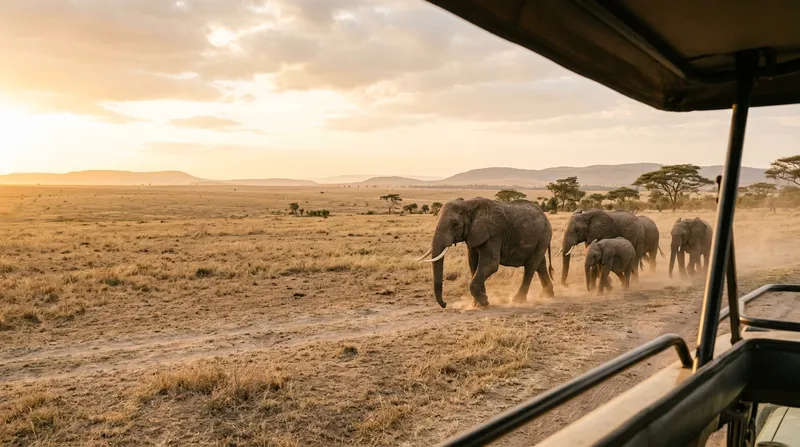
Fly into Kilimanjaro International Airport (JRO) near Arusha, which functions as the gateway to Tanzania's northern safari circuit. Most itineraries spend day 1 transferring from Arusha toward the Serengeti or stopping first at Tarangire National Park, known for its elephant herds and baobab-studded landscape — a good warm-up if you have the extra day. From Arusha, it's roughly a 6-7 hour drive to central Serengeti, or about a 45-minute scheduled flight on a light aircraft, which most travelers prefer given how much driving time it saves.
Days 2 and 3 are dedicated Serengeti days. This is non-negotiable time — two full days is the minimum to see the park's variety rather than just its entrance zone. Depending on the season, you might base near Seronera (central, good year-round game viewing) or further north toward Lake Ndutu during calving season (roughly December to March), when predator action around the wildebeest herds is at its most intense.
Morning and Afternoon Game Drives
A typical safari day starts with a 6:00-6:30am departure, before the heat sets in and while predators are still active. Morning drives run 3-4 hours, followed by a midday break at the lodge, then a second drive from around 4pm to sunset. Expect lions, elephants, giraffes, and — if timing and location align — the wildebeest migration itself, which moves through different sectors of the Serengeti depending on the month. Don't expect guaranteed leopard or cheetah sightings; they're elusive, and any guide promising certainty is overselling.
Evening Wildlife Viewing and Lodge Activities
Evenings are for sundowners on a viewing deck, not night drives — most public Serengeti areas don't permit driving after dark. A hot air balloon ride at dawn is worth booking ahead if your budget allows; it's one of the few Serengeti experiences that genuinely needs reserving in advance, since availability per lodge is limited and it typically departs before sunrise. Some camps offer short guided bush walks near the perimeter, a decent alternative if you're saddle-sore from two days of driving.
Day 4–5: Ngorongoro Crater & Transfer
Day 4 moves you south to Ngorongoro Crater, roughly a 3-4 hour drive from central Serengeti depending on your exact camp location. The crater is a different kind of safari: a contained caldera floor about 260 square km in size, packed with wildlife density that's hard to match anywhere else in Tanzania, including a resident population of tree-climbing lions and one of the country's better chances at spotting black rhino.
Day 5 is transition day — crater in the morning, then flight prep in the afternoon. This is the pivot point of the whole trip, and it's where poor planning causes the most stress.
Crater Descent and Wildlife Viewing
You'll descend into the crater by vehicle around 7am, spend 4-5 hours on the floor, then climb back out by early afternoon. Vehicles aren't permitted to stay overnight inside the crater itself, so most lodges sit on the rim — Ngorongoro Serena or similar rim properties offer crater views but can run cold at night given the elevation, so pack a layer even though you're headed to the tropics next.
Flight to Zanzibar Logistics
From the crater area, you'll drive back toward Arusha (around 3-4 hours) or to a nearby airstrip for a connecting flight. Direct scheduled flights from Arusha or Kilimanjaro to Zanzibar's airport (ZNZ) run roughly 1.5-2 hours and operate multiple times daily with regional carriers. Book this flight segment well ahead — same-day safari-to-beach connections leave little buffer if your crater exit runs late, and a missed late-afternoon flight means an unplanned night in Arusha.
Day 6–8: Zanzibar Beach & Island Time
Landing in Zanzibar after five days of 6am wake-ups feels like stepping into a different trip entirely — which is the point. The island offers a genuine reset: warm water, flat light for photography at sunrise and sunset, and none of the driving. Base yourself on the northeast coast (Nungwi or Pongwe) for the best swimming beaches, since the west coast around Stone Town has more dramatic tides that can leave the shoreline exposed at low tide.

Beach Relaxation and Water Activities
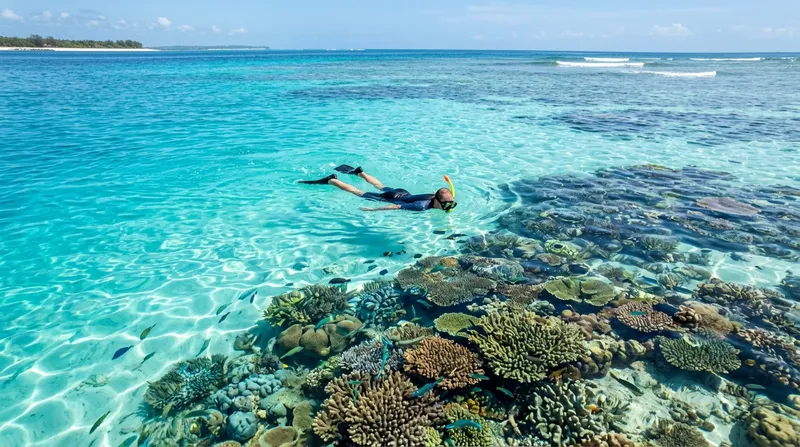
Day 6 is for doing nothing, deliberately. Day 7 is a good slot for a snorkeling or diving trip out toward Mnemba Island, a protected atoll off the northeast coast known for reef variety and occasional dolphin pods nearby — book this one ahead, as boat capacity is limited and weather can bump departures. Compare current boat tours and prices before you book, since operators vary in boat size and whether lunch is included. Compared to Mnemba, snorkeling off Mafia Island or Pemba Island further south and north respectively is less crowded but logistically harder to combine with a Serengeti trip — Mnemba simply fits the timeline better.
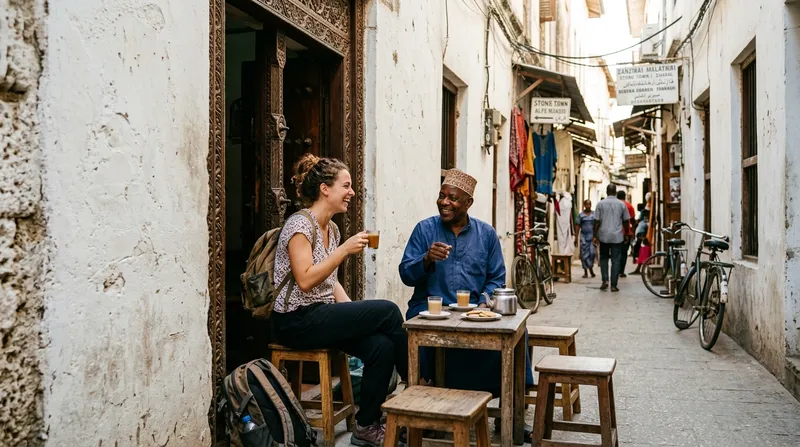
Stone Town Exploration and Cultural Tours
Day 8, before departure, is the right time for Stone Town — a UNESCO-listed old quarter of narrow lanes, carved doors, and former sultan's palaces, roughly 45-60 minutes by road from the northeast beach hotels. A half-day spice tour nearby is worth booking in advance; it covers clove, cardamom, and vanilla plantations and usually includes a simple local lunch. Stone Town's charm is real, but the heat and crowds around the market area by midday aren't for everyone — go early, by 9am, or skip it if you've already done a similar old-town walk elsewhere.
Getting Around: Flights & Transfers
Logistics make or break a combined Zanzibar and Serengeti itinerary. Unlike a single-destination trip to, say, Bali or Mombasa, you're coordinating a bush flight network with an international beach hub, and the margins for error on connection days are tighter than people expect.
Domestic Flight Options and Timing
Light aircraft connect Arusha, Serengeti airstrips, and Zanzibar on fairly predictable daily schedules, but flights are often shared with other travelers and can add short stops at other airstrips along the route — a 45-minute flight can become 90 minutes with two intermediate landings. Book domestic legs as part of your overall trip planning rather than as an afterthought; availability tightens considerably during peak migration season (roughly June-October) and over the Christmas-New Year window.
Ground Transfers and Road Logistics
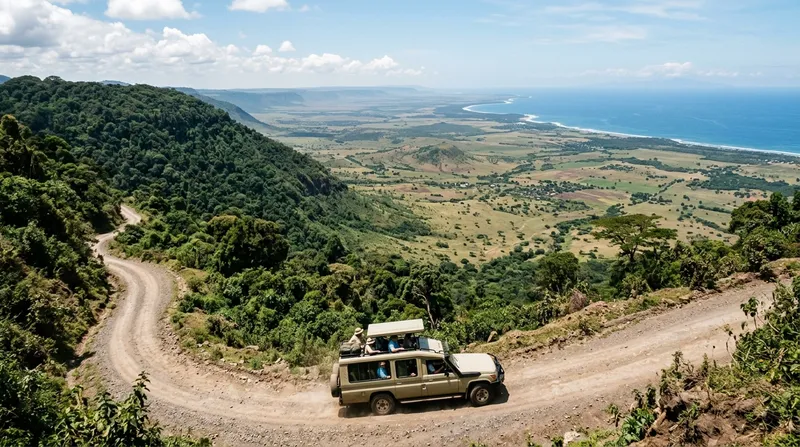
Road transfers between Arusha, Tarangire, Serengeti, and Ngorongoro are unpaved for long stretches and genuinely tiring — budget more time than Google Maps suggests, since 150km can take 4 hours on crater-area roads. If you're short on days, flying between safari zones instead of driving saves real time, though it costs more and you'll see less roadside wildlife along the way.
Where to Base Yourself
For the safari half, choose a permanent lodge over a mobile camp unless you specifically want the adventure of moving tents — lodges near Seronera or the Ndutu area give easier access to game drives without long daily transfers. Ngorongoro's rim lodges are convenient but pricier per night than equivalent Serengeti properties, a trade-off worth it for the one night you're there.
For Zanzibar, Nungwi and Kendwa in the north suit swimmers and sunset-watchers, with calmer, deeper water than the tidal flats near Stone Town. Pongwe and Matemwe on the east coast are quieter, better for honeymooners wanting fewer beach vendors. Stone Town itself is worth one night if you want walkable access to the old quarter and its restaurants, but it's not a swimming beach — don't base your whole stay there expecting beach access. Compared to a Maldives or Seychelles stay, Zanzibar accommodation is considerably more affordable at equivalent quality, which is part of why pairing it with an expensive Serengeti safari still keeps the combined trip reasonable.
Lodge choice depends more on which activity you prioritize each day than on luxury level alone.
Zanzibar and Serengeti itinerary: bases compared by access, cost, and best for
| Base | Region | Typical Nightly Cost Level | Best For | Watch Out For |
|---|---|---|---|---|
| Seronera area lodges | Central Serengeti | High | Year-round game viewing | Can feel crowded in peak season |
| Ndutu camps | Southern Serengeti | High | Calving season predator action | Only prime Dec-Mar |
| Ngorongoro rim lodges | Crater rim | Very high | One-night crater access | Cold nights, limited choice |
| Nungwi/Kendwa | Northeast Zanzibar | Moderate | Swimming, sunsets, nightlife | Busier, more vendors |
| Pongwe/Matemwe | East Zanzibar | Moderate | Quiet beach, honeymoons | Fewer dining options nearby |
| Stone Town | West Zanzibar | Moderate | Culture, history, food | Not a swimming beach |
Cost levels and seasonal notes reflect typical patterns as of 2024; confirm current rates and availability when booking.
Frequently asked questions
How many days do you need for a Serengeti and Zanzibar trip?
Ten days is the realistic minimum for a trip that doesn't feel rushed — around 5 days for Serengeti and Ngorongoro combined, 1-2 travel days, and 3-4 beach days in Zanzibar. Seven days is doable but means cutting either the crater or a beach day; anything shorter turns the safari into a box-ticking exercise.
How do you get from Serengeti to Zanzibar?
Most travelers fly a short light-aircraft hop from a Serengeti airstrip to Arusha or Kilimanjaro, then connect to a scheduled 1.5-2 hour flight to Zanzibar's airport. Some routes combine both legs with one stop. Driving the whole way isn't practical — it would take well over a day each way on rough roads.
What wildlife will I see in the Serengeti?
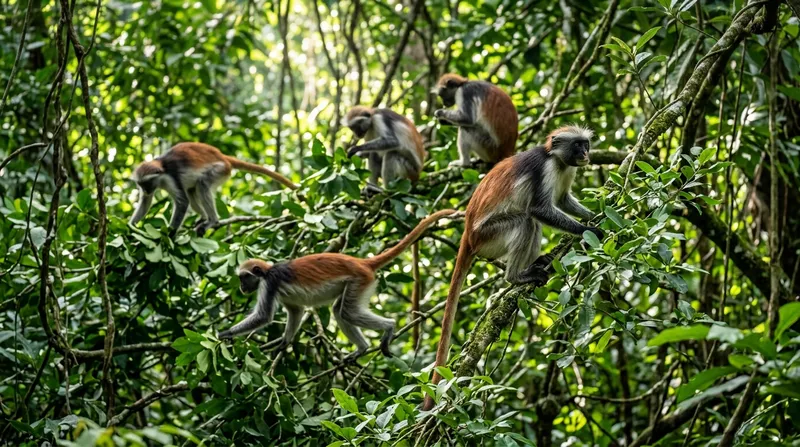
Expect lions, elephants, giraffes, zebras, and large herds of wildebeest, with timing affecting exactly what you see — the migration moves through different areas depending on the month. Leopards and cheetahs are present but far less predictable; Ngorongoro Crater adds a strong chance of seeing black rhino, which the Serengeti itself rarely offers.
What is the best time to visit for this combined itinerary?
June to October gives dry weather on both legs and strong wildlife viewing as animals cluster near water sources; it's also peak season, so book flights and lodges early. December to March suits travelers chasing the Ndutu calving season, and Zanzibar stays warm and mostly dry then too, aside from short afternoon showers.
Can families with children do this itinerary?
Yes, for children roughly 8 and older who can handle early starts and multi-hour drives. Many safari lodges set minimum ages for game drives or night walks, often around 6-8 years, so check specific lodge policies before booking. Zanzibar's calmer east-coast resorts work well as the family-friendly second half.