Find the safest Zanzibar beaches for families with kids. Compare tides, shade, and amenities at Nungwi, Paje, and Kendwa before you book.
Is Zanzibar Suitable for Family Vacations?
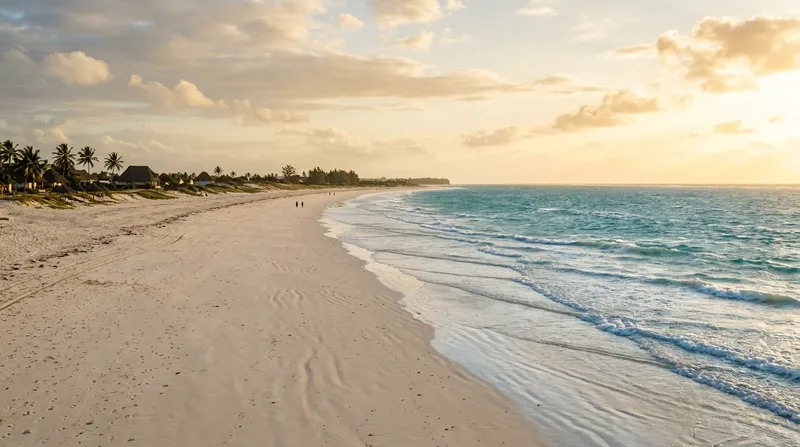
Zanzibar, the semi-autonomous archipelago off the coast of Tanzania in East Africa, has become one of the more realistic alternatives to the Maldives or Seychelles for families who want beach time without a 12-hour flight segment or a honeymoon-resort price tag. Direct and one-stop flights run from several European hubs, and unlike the Maldives, you're not confined to a single resort island — you can base yourself on one beach and day-trip to Stone Town, spice farms, or a nearby island.
That said, Zanzibar beaches for families aren't interchangeable. The east coast gets stronger wind and more dramatic tide changes than the sheltered northwest corner near Nungwi and Kendwa. If you're traveling with a toddler who needs waist-deep water at 2pm and a nap-friendly shaded sunbed, that distinction decides your whole trip.
What makes Zanzibar family-friendly
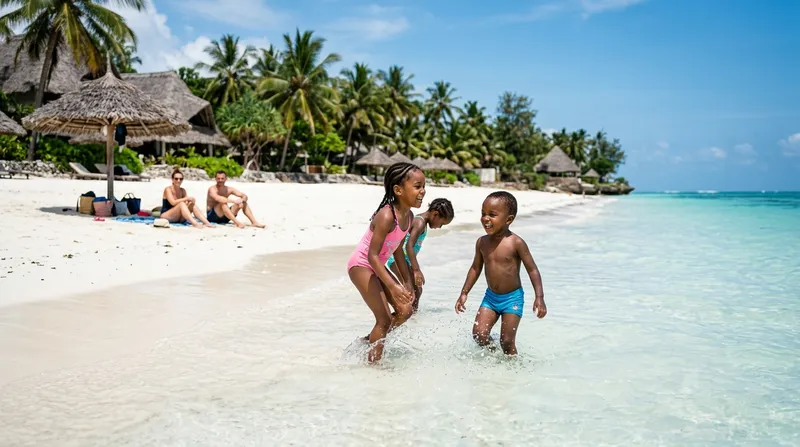
The water temperature sits around 26-29°C year-round, so there's no cold-shock problem like you'd get in Mauritius during its cooler winter months (June-August). Many beachfront hotels in Nungwi and Kendwa have shallow, reef-protected lagoons that barely reach knee height even for an adult at low tide — ideal for kids who aren't strong swimmers yet. English and Swahili are both widely spoken, and the tourism infrastructure around the main beach strips includes pharmacies, basic medical clinics, and family rooms at a wider range of price points than you'd find in the Seychelles, where even mid-range lodging runs high.
Safety considerations for traveling with kids
Malaria risk exists in Zanzibar, unlike in the Seychelles or Mauritius, so talk to a travel clinic about prophylaxis for children at least 4-6 weeks before departure — some medications aren't suitable for infants. Sun exposure is the more immediate daily risk: the equatorial sun by midday is harsher than most European parents expect, even under cloud cover. Rip currents are rare on the sheltered northwest beaches but road safety is the real wildcard — local driving habits and unlit roads at night mean you should arrange a hotel transfer or a vetted driver rather than a self-drive rental if you're nervous.
Top Family-Friendly Beaches in Zanzibar
Three beach areas come up repeatedly for families, and each suits a different age group and travel style. None of them is objectively "the best" — it depends on whether your kids are toddlers who need ankle-deep water or ten-year-olds who want to try kitesurfing.
Nungwi Beach and northern options
Nungwi, at Zanzibar's northern tip, has one real advantage over the east coast: minimal tidal swing. The water stays swimmable most of the day rather than retreating 200 meters at low tide. It's also the island's liveliest beach town, with restaurants, a turtle aquarium (Mnarani Natural Aquarium) that kids generally enjoy, and sunset boat trips departing right from the sand. The trade-off is crowding and touts — persistent but not aggressive, more a mild annoyance than a safety issue. If your kids are easily overwhelmed by noise and vendors approaching sunbeds, Nungwi's main strip isn't the calmest option; the quieter stretches toward Kendwa solve that.
Paje Beach and eastern alternatives
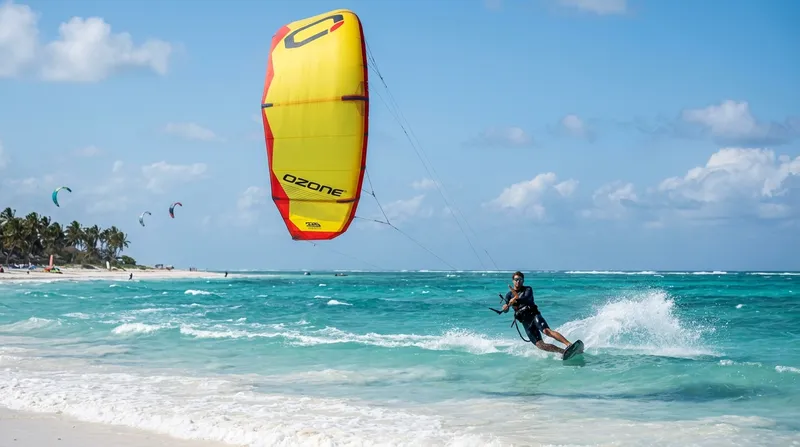
Paje, on the southeast coast, is Zanzibar's kitesurfing hub, and that's exactly who it suits: families with kids aged roughly 8 and up who want lessons or want to watch kites without constant wind-blown sand bothering a baby. At low tide the water recedes dramatically, exposing a wide flat of sand and seaweed farms — interesting for a nature walk, frustrating if you promised a toddler a swim at 1pm. Nearby Jambiani has a similar tidal pattern but a quieter, more residential feel, which some families prefer over Paje's backpacker-meets-kitesurf energy.
Kendwa Beach and western choices
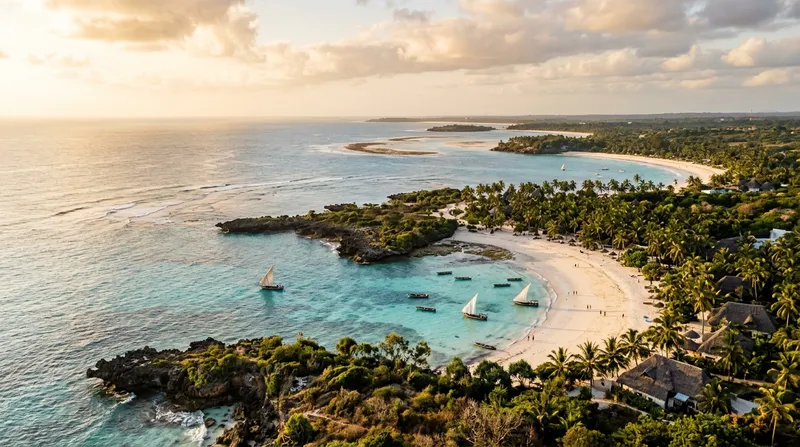
Kendwa, a short drive south of Nungwi on the northwest coast, is the one I'd point most families toward first. It's largely unaffected by the extreme low tides that strand swimmers elsewhere, the sand stays swimmable close to shore most of the day, and the beach itself is wider and less congested than Nungwi's main strip. It lacks Nungwi's density of restaurants and shops, so you'll likely eat at your hotel more often — not a problem if you've booked a family resort with its own kids' pool and restaurant, which several properties here offer.
Safety, Tides, and Shade Comparison
Tide behavior is the single biggest factor families underestimate when booking Zanzibar beaches for families, more than flight time or resort star rating. Zanzibar's tidal range can exceed 3 meters, and on the east coast that means hours where there's effectively no swimmable water near shore.
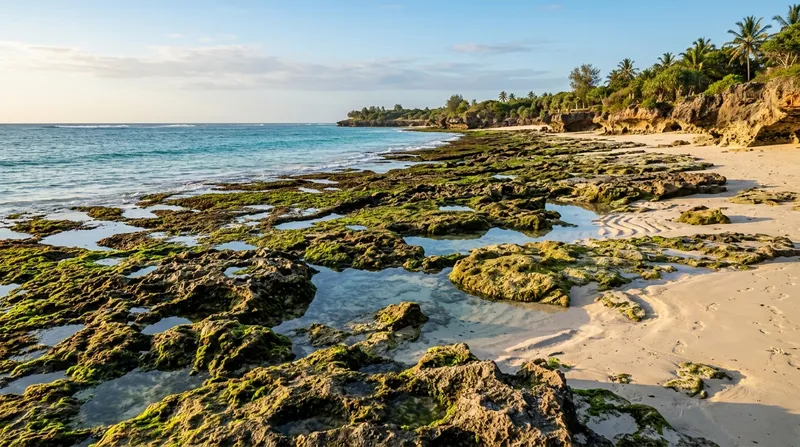
Kendwa and Nungwi offer the most consistent swimming depth for young kids, while Paje and Jambiani demand tide-timing but suit older children and kitesurfing.
Zanzibar beaches for families compared: tides, safety, and shade
| Beach | Tide swing impact | Swimming safety for young kids | Shade availability | Best age group |
|---|---|---|---|---|
| Kendwa | Low | High | Resort-dependent | Toddlers to teens |
| Nungwi (main strip) | Low | High | Moderate, some natural shade | All ages |
| Paje | High | Moderate, tide-dependent | Limited, beach bars scattered | 8+ / kitesurfing |
| Jambiani | High | Moderate, tide-dependent | Limited | 8+ / quieter families |
Figures as of 2025; tide times shift daily by roughly 45 minutes and should be checked locally each morning.
Beach-by-beach safety ratings
Kendwa and Nungwi's sheltered bays are generally rated safest for weak swimmers because reef breaks offshore absorb wave energy before it reaches the beach. Paje and Jambiani are safe for swimming but require timing around tides, and the wind that makes them great for kitesurfing can also make shallow water choppy for small children. None of Zanzibar's main tourist beaches have strong rip currents comparable to open-ocean Australian or Portuguese beaches, but always ask your hotel about the day's tide schedule — it changes daily and staff post it each morning.
Tide patterns and water conditions
Low tide on the east coast can pull the water out far enough that you're walking on exposed sand and seaweed beds rather than swimming — this happens roughly twice daily, shifting by about 45 minutes each day. Northwest beaches like Kendwa and parts of Nungwi retain a swimmable lagoon depth even at low tide because of their deeper bay structure. If swimming on demand matters more to your family than kitesurfing or long tidal walks, the northwest coast wins outright.
Shade and amenity availability
Natural shade from palm trees is inconsistent across all three areas — don't assume it. Most family resorts provide shaded sunbeds or umbrellas, but public stretches of beach often have none, so pack a pop-up beach tent if you're not staying beachfront. Nungwi has the most beach bars and toilet access for non-guests; Kendwa is more resort-dependent; Paje and Jambiani sit in between, with a scattering of beach bars that welcome day visitors.
Family Activities Near Zanzibar Beaches
Beach time alone rarely fills a week with kids, and Zanzibar's advantage over an all-inclusive Maldives atoll is that there's somewhere to actually go.
Water sports and snorkeling tours
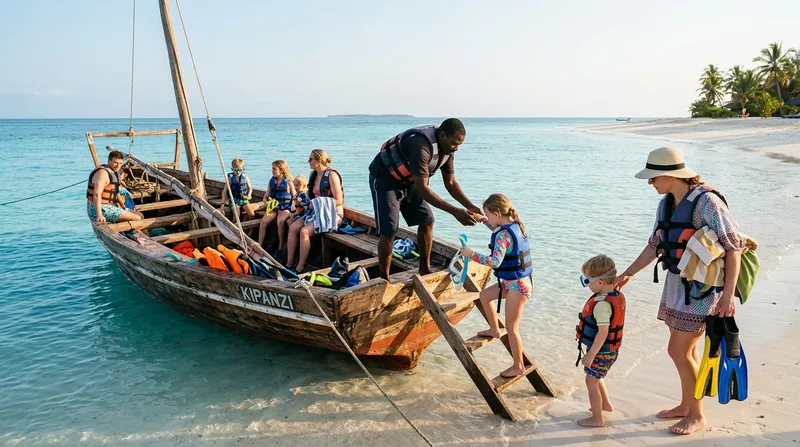
Mnemba Atoll, off the northeast coast near Nungwi, is the standout snorkeling destination — reachable by a roughly 30-45 minute boat ride, with calm, clear water and reef fish that make it genuinely exciting for kids who've snorkeled before. It's not a place to teach a complete beginner in choppy conditions, though; for first-timers, a shallow reef trip closer to Nungwi's own shoreline is gentler. Kayaking and glass-bottom boat tours are widely available from both Nungwi and Kendwa and tend to be more toddler-tolerant than a full snorkeling excursion. When comparing current boat tours and prices before you book, check whether life jackets for small children are included — not every operator carries kid-sized gear as standard.
Cultural and nature excursions
Stone Town, a UNESCO World Heritage site about 45-60 minutes from Nungwi by road, works well as a half-day family trip — the old fort, the market, and narrow alleyways hold interest for kids aged 6 and up, though the heat and crowds can wear down younger toddlers fast. A spice farm tour near Stone Town is usually a bigger hit with kids than adults expect, since most are hands-on, letting children smell, taste, and touch cloves, vanilla, and cinnamon growing in the ground. Jozani Forest, home to the red colobus monkey found almost nowhere else on Earth, is a manageable 30-45 minute walk and a genuinely memorable stop for families who'd rather skip another beach day.
Planning Your Family Beach Trip
Logistics make or break a family beach trip more than the beach itself does, and Zanzibar has a few quirks worth knowing before you book flights.
Best seasons for families
June through October is the most reliable window — drier, slightly cooler (around 25-28°C), and outside the long rains that hit roughly March to May. December to February is also dry and popular but hotter and busier, overlapping with European school holidays, so book family resorts in Nungwi or Kendwa several months ahead if traveling over Christmas or February half-term. Avoid the April-May long rains with young kids; heavy downpours can derail beach days entirely, and that's the one season where Mombasa's shorter rainy pattern on the Kenyan coast actually has an edge.
What to pack and prepare
Pack reef-safe sunscreen, a wide-brimmed hat, and water shoes — the sand flats exposed at low tide have occasional sea urchins and sharp coral fragments. Bring malaria prophylaxis prescribed in advance and a basic kids' first-aid kit, since pharmacy stock in beach towns is more limited than in Stone Town. A lightweight pop-up tent solves the shade gap on public beach sections, and it's worth packing swim nappies if you're traveling with an infant, since they're not reliably stocked locally.
Frequently asked questions
Is Zanzibar suitable for kids?
Yes, particularly on the sheltered northwest coast around Nungwi and Kendwa, where lagoons stay shallow and swimmable most of the day. Malaria risk and strong midday sun are the main precautions — sort prophylaxis with a travel clinic beforehand and plan around the hottest hours, roughly 11am to 3pm.
Which beaches are best for families in Zanzibar?
Kendwa and Nungwi are the most reliable choices for families with young children because tidal swings barely affect swimming depth. Paje and Jambiani on the east coast suit families with kids aged 8 and up who want kitesurfing or don't mind timing swims around the tide.
How do tides affect Zanzibar beaches?
Zanzibar's tidal range can exceed 3 meters, and on east coast beaches like Paje and Jambiani, low tide exposes wide sand and seaweed flats twice daily, leaving no swimmable water near shore for a few hours. Northwest beaches like Kendwa keep enough depth to swim even at low tide, which is why they're better for unscheduled family swim time.
What family activities are available near Zanzibar beaches?
Near Nungwi and Kendwa, families can book snorkeling trips to Mnemba Atoll (about a 30-45 minute boat ride), kayaking, and glass-bottom boat tours. Inland options include Stone Town's old fort and market, a hands-on spice farm tour, and Jozani Forest to see red colobus monkeys, all within roughly an hour's drive of the main beach towns.
What should families know before visiting Zanzibar?
Confirm malaria prevention with a doctor at least a month before travel, pack reef-safe sunscreen and water shoes for sharp coral on exposed sand flats, and check tide tables daily at your hotel since swim windows shift by about 45 minutes each day. Arrange hotel transfers rather than self-driving at night, as road conditions and lighting are inconsistent outside main towns.