Discover Paje Beach activities: kitesurfing lessons, water sports & guided tours. Book kite lessons, snorkeling trips & beach excursions online.
What Makes Paje Beach Special
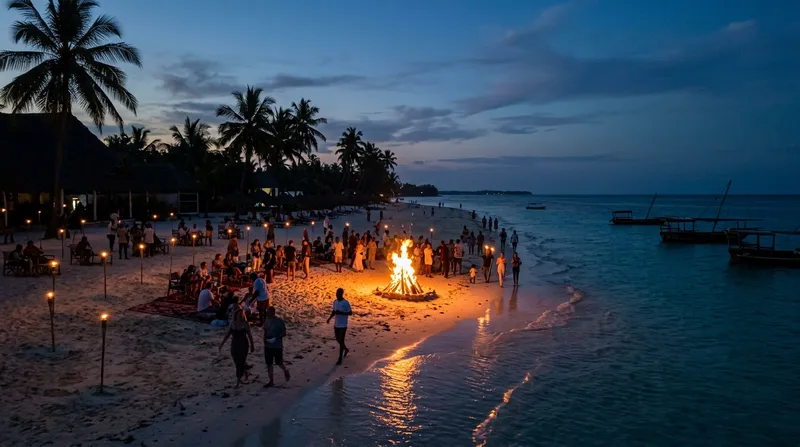
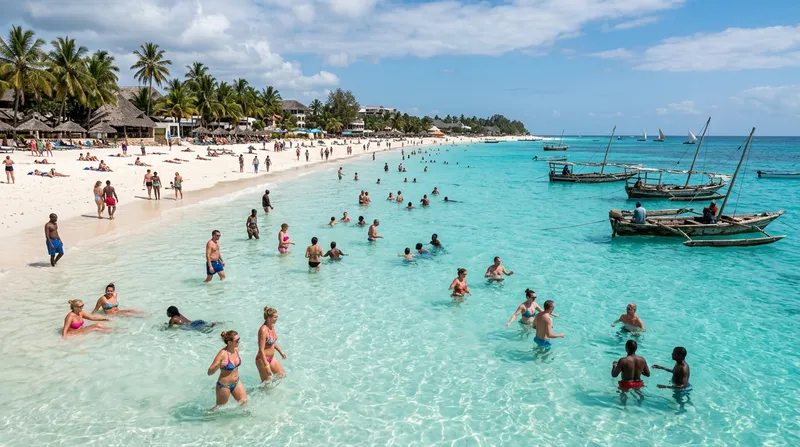
Paje sits on Zanzibar's southeast coast, about 50 minutes by road from Stone Town, and it's built an entirely different reputation from the historic alleys and spice tours up north. This is the island's action-sports strip — a long run of white sand backed by a shallow, reef-protected lagoon that turns into a natural flat-water playground at certain tide stages. If you're choosing a base specifically for paje beach activities rather than lounging, this is the stretch to pick over Nungwi or Kendwa.
What sets Paje apart from most other Zanzibar beaches is the combination of wind reliability and lagoon safety. The reef sits far enough offshore to break the ocean swell, so inside the reef you get manageable, mostly flat water even when it's blowing hard — ideal for learning kitesurfing without open-ocean chop to contend with. Few beaches in the Indian Ocean region offer that pairing; Mauritius has stronger average wind on its own kite coast (Le Morne) but a narrower and more crowded lagoon, while Mombasa's Kenyan coastline lacks Paje's consistent cross-shore wind direction.
I'd argue Paje's biggest trade-off is the tide. At low tide the lagoon empties out dramatically — swimming becomes impossible in parts, and some water sports pause for a few hours. That's not a flaw you can avoid, it's just the geography, and it genuinely confuses first-time visitors who expect swimmable water on demand.
Why Paje is ideal for action sports
Three things make Paje work for sports where most beaches don't: a wide, shallow lagoon that stays protected from ocean swell, wind that blows cross-shore (parallel to the beach rather than straight onshore, which is safer for kiting), and a sand bottom with few rocks compared to reef-heavy spots further south like Bwejuu Beach or Dongwe Beach. Several dedicated kite schools and a well-known Kite Centre operate directly off this stretch, which tells you something about where the community consensus has landed. Jambiani Beach, just south, shares similar lagoon conditions and is a reasonable backup if Paje feels crowded during peak kite season.
Conditions and seasonal wind patterns
Zanzibar gets two distinct wind seasons. The Kaskazi (northeast monsoon) runs roughly December to March with lighter, warmer wind — good for beginners and for flat-water sports like SUP. The Kusi (southeast monsoon), from around June to September, brings stronger, more consistent wind, which is what draws intermediate and advanced kiters. Between seasons — April/May and October/November — wind is less predictable and rain (especially April–May, the long rains) can shut down multiple days in a row. If your trip dates are fixed, check which season you're landing in before you book lessons, not after.
Kitesurfing & Kiteboarding Lessons
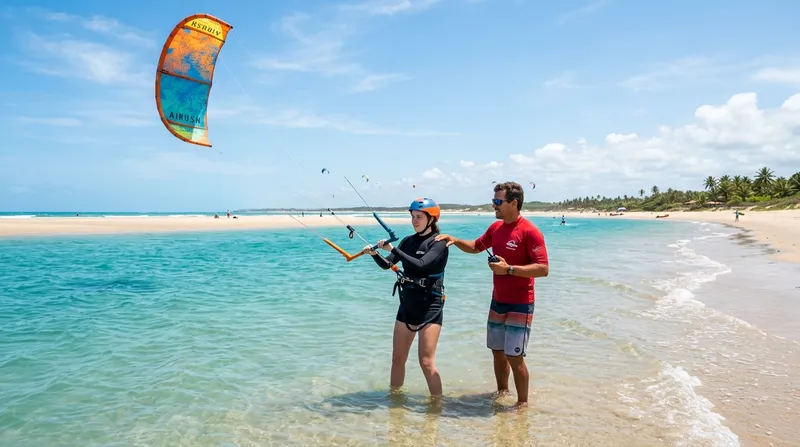
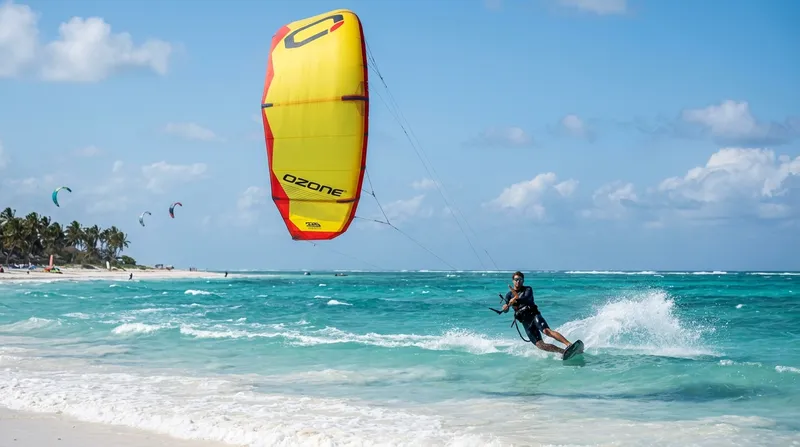
Kitesurfing is the activity that put Paje on the map, and it's genuinely the reason most repeat visitors come back. The lagoon's combination of shallow water and consistent cross-shore wind means instructors can keep beginners in waist-to-chest-deep water for most of a lesson, which cuts down the intimidation factor considerably compared to learning somewhere like Mauritius's deeper kite zones.
Lessons are typically sold in hour blocks, with beginner packages running across several sessions — three to nine hours is the normal range to go from zero to independent riding, though this varies by individual and conditions. Expect instruction to follow IKO (International Kiteboarding Organization) or similar certification standards at the established schools; ask which certification body an instructor is affiliated with before paying, since standards vary more than people expect in a town with dozens of informal operators.
Beginner to advanced lesson options
Complete beginners usually start with land-based kite control before ever touching water — this isn't a stalling tactic, it's how you learn to manage power safely. From there, lessons progress to body-dragging, then board starts, then independent riding. Intermediate riders who already ride but want to clean up jumps, transitions or downwind technique can book shorter refresher sessions rather than full courses. Advanced kiters mostly just need equipment rental and a wind forecast — Paje's wider lagoon sections handle freestyle and light wave riding reasonably well on a strong Kusi day, though it's not a wave-riding destination the way parts of Mauritius or South Africa are.
How to book independently or with operators
You can walk up to a beachfront kite school and book same-day, and in low season that often works fine. During Kusi season (June–September), though, slots with reputable instructors fill up, so booking a few days ahead — or before arrival through a platform like GetYourGuide or Expedia — reduces the risk of settling for whoever's available. Booking ahead also lets you compare whether a package includes equipment, insurance, and transport to the beach, since that varies a lot between operators and isn't always obvious from a walk-up price board. Always confirm the instructor's certification and that rental gear includes a safety leash and properly rigged lines — this is the one area where cutting corners actually matters for your safety, not just comfort.
Water Sports & Beach Activities
Not every visitor to Paje wants to fight wind lines for three days straight. The same lagoon that suits kitesurfing also supports a reasonable range of calmer water sports paje beach rentals, particularly during the lighter Kaskazi season or on the inevitable low-wind days that interrupt any kite trip.
Stand-up paddleboarding and kayaking are the easiest entry points — no instruction required beyond a five-minute briefing, and both work well in the mid-to-high tide window when the lagoon is at its fullest. Windsurfing sits in an odd middle ground: it needs more wind than SUP but is more forgiving than kiting for a first try, and a handful of operators rent boards and rigs by the hour. Snorkeling directly off Paje's beach is mediocre at best — the better reef life is a boat ride away, which is where guided tours come in rather than shore-based snorkeling.
Kitesurfing needs the most planning ahead, while SUP and kayaking can usually be booked the same day.
Paje Beach activities compared: best season, skill level and booking lead time
| Activity | Best Season | Skill Level | Typical Lesson/Trip Length | Book Ahead? |
|---|---|---|---|---|
| Kitesurfing lessons | Kusi (Jun-Sep) for wind, Kaskazi for beginners | Beginner to advanced | 3-9 hrs (course), 1-2 hrs (session) | Yes, especially Jun-Sep |
| Windsurfing | Kaskazi (Dec-Mar), moderate wind | Beginner to intermediate | 1-2 hrs | Optional |
| SUP / Kayaking | High tide, most months | All levels | 1 hr | Same-day usually fine |
| Reef snorkeling tours | Year-round except Apr-May rains | All levels | Half-day | Recommended 1-2 days ahead |
| Dolphin watching (Kizimkazi) | Year-round, calmer seas best | All levels | Half-day | Recommended 1-2 days ahead |
| Nakupenda sandbank trip | Year-round | All levels, family-friendly | Half-day | Recommended 1-2 days ahead |
Figures as of 2025; seasonal wind and tide conditions vary year to year, confirm current forecasts before booking.
SUP, windsurfing, kayaking & snorkeling
If flat water is what you want, aim for a session an hour either side of high tide — the lagoon loses depth fast as the tide drops, and kayaking in particular becomes a slog through shallow sand flats at low tide. Windsurfing rental typically includes a board, sail, and basic safety check, but ask about wind strength forecasts before committing to a full session; Paje's wind can go from manageable to overpowering for a beginner windsurfer within an hour during Kusi season. For snorkeling, skip the shore and book one of the reef trips covered below — the coral directly off Paje's sand has taken damage from boat traffic and bleaching, and visibility near shore is inconsistent.
Equipment rental and safety information
Rental gear quality varies widely between beachfront stalls. Check kite lines for fraying, SUP leashes for wear, and ask whether rental includes a life jacket — it should, and if an operator waves that off as unnecessary, treat it as a red flag rather than local confidence. Currents near the reef break can be stronger than they look from the beach, so independent swimmers and snorkelers should stay within the lagoon unless accompanied by a guide who knows the channel gaps. Sun exposure is a bigger risk than most people plan for — there's little shade on the open lagoon, and a two-hour kite lesson in the Zanzibar sun is enough to burn unprotected skin badly.
Guided Tours & Boat Excursions
Paje works well as a base for day trips, since several of Zanzibar's better marine and island attractions are a short boat or road transfer away. This is where paje beach tours earn their keep — most of the interesting reef and dolphin-watching sites aren't reachable from shore.
Coral reef and dolphin watching tours
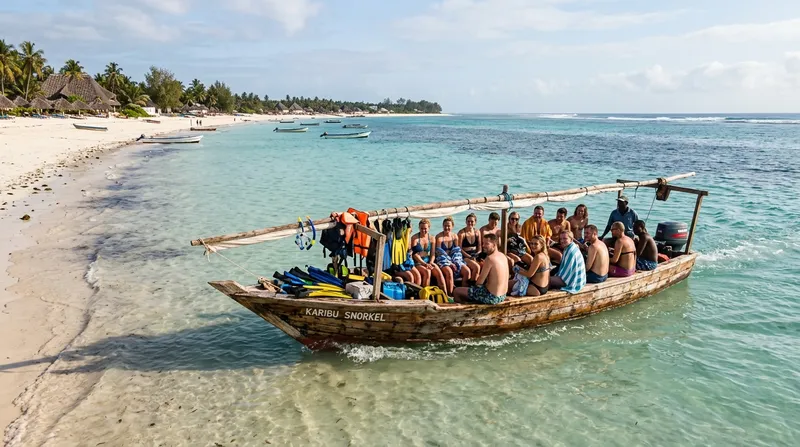
Paje snorkeling tours generally run as half-day boat trips to reef sites offshore, sometimes combined with a stop at Mnemba Atoll, which has noticeably better visibility and healthier coral than anything reachable directly from Paje's beach. Mnemba is a protected conservation area and most boats pay a marine park fee that's usually built into the tour price — confirm this when booking so you're not surprised by an add-on fee at the dock. Dolphin tours typically depart from Kizimkazi, about 40-50 minutes south of Paje by road, rather than from Paje itself; operators bundle transport into the package. Be upfront with yourself about dolphin-watching ethics — some boats in this area crowd pods aggressively, which stresses the animals, so ask an operator directly how many boats typically approach a pod and how close they get before booking.
Island and beach day trips
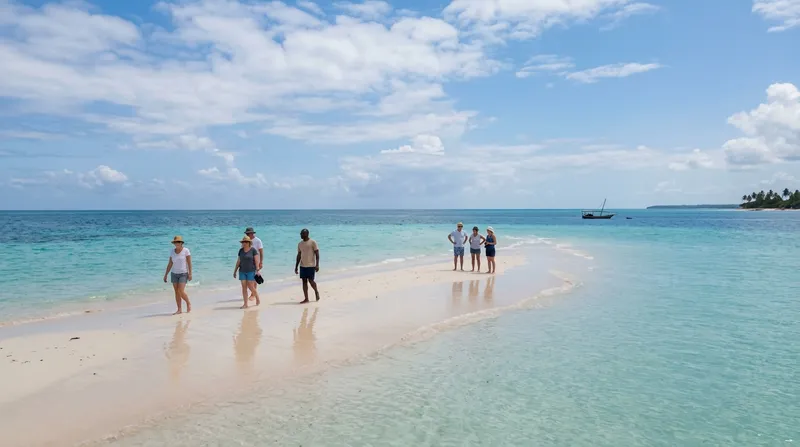
Nakupenda Beach — a sandbank near Stone Town rather than a permanent island — is a popular half-day trip combining a boat ride, snorkeling stop, and a seafood lunch cooked on the sand; it's touristy but delivers reliably good photos and calm water, which makes it a strong family option. Kuza Cave, inland near Jambiani, is a freshwater swimming cave that pairs naturally with a Paje or Jambiani beach day since it's only about 15-20 minutes away by road — a good rainy-day or wind-lull alternative when kite conditions are poor. For a straightforward beach-hopping day, combining Paje with Bwejuu and Jambiani on the same coastal road trip is easy and worth doing if you have a rental car or driver for the day.
Best Time to Visit & Book
Timing in Paje isn't just about rain — it's about matching the activity to the wind season and tide table, which most visitors don't think about until they're standing on the sand wondering why the lagoon is empty.
Seasonal conditions for each activity
Kusi season (roughly June to September) delivers the strongest, most reliable wind and is peak kitesurfing season — book lessons well ahead since this is also peak tourist season generally. Kaskazi (December to March) brings lighter, warmer wind, better suited to beginners and to windsurfing or SUP days where you don't want to be overpowered. The shoulder months, April–May and October–November, are riskier: April and May bring Zanzibar's long rains, and wind is less consistent both months, so tours and lessons get cancelled or rescheduled more often. If snorkeling and boat tours matter more to you than kiting, those run fine most of the year except during the heaviest April–May rain, and calmer seas generally make for better underwater visibility outside the windiest Kusi weeks.
Booking platforms and tour operators
For tours and lessons booked ahead of arrival, platforms like GetYourGuide, Expedia, TripAdvisor and Trip.com all list Paje-based operators with reviews, fixed inclusions, and cancellation policies — useful if you want to lock in a kite course or a Mnemba snorkeling trip before you land, especially for Kusi season when good instructors book out. The trade-off is that walk-up booking directly with a beachfront school in low season can be slightly cheaper and more flexible on timing. My honest take: book kite lessons ahead given how in-demand good instructors are, but leave SUP, kayaking and short snorkeling trips to arrange locally once you've checked the tide and wind for the day — compare current boat tours and prices before you book to see what's actually running that week.
Frequently asked questions
What are the best water sports in Paje?
Kitesurfing is the standout given Paje's reliable cross-shore wind and shallow lagoon. Beyond that, SUP and kayaking work well at high tide for calmer days, and windsurfing rental is widely available for those wanting powered sports without the kite learning curve. Shore snorkeling is weak — book a boat trip to the reef or Mnemba Atoll instead.
How do I book kite surfing lessons in Paje?
You can walk up to beachfront kite schools and book same-day in low season, but during Kusi season (June–September) book a few days ahead through the school directly or via a platform like GetYourGuide or Expedia. Confirm the instructor's IKO or equivalent certification and whether the package includes equipment and a safety leash before paying.
What beach tours are available from Paje?
Common options include half-day reef and Mnemba Atoll snorkeling trips, dolphin-watching excursions departing from nearby Kizimkazi, and sandbank day trips to Nakupenda near Stone Town. Inland, Kuza Cave near Jambiani makes a good add-on for a wind-free or rainy day.
When is the best time to visit Paje Beach?
For kitesurfing, June to September (Kusi season) gives the strongest wind; December to March (Kaskazi) suits beginners with lighter wind. Avoid April and May if possible — that's Zanzibar's long rains, with inconsistent wind and more cancelled tours.
What nearby attractions can I combine with Paje activities?
Jambiani and Bwejuu beaches are a short drive south and share similar lagoon conditions, useful if Paje feels crowded. Kuza Cave is about 15-20 minutes inland for a freshwater swim, and Kizimkazi for dolphin tours is roughly 40-50 minutes south by road.