Compare Zanzibar photography tours — golden hour walks, beach shoots, private sessions. Find the right tour for your skill level and gear before booking.
Who Each Photography Tour Type Suits
Not every photography tour in Zanzibar suits every traveler, and that's the first thing to get straight before you book anything. A guided golden hour walk through Stone Town works for someone who wants strong images without carrying a tripod for two hours. A private beach photoshoot session suits a couple who wants ten polished portraits for a wedding album, not 300 frames of a mosque doorway.
The island's photography tour market has split roughly into two camps: documentary-style walking tours aimed at hobbyists and semi-serious shooters, and styled portrait sessions aimed at couples, families, and honeymooners who want to appear in the photos themselves rather than just take them. Confusing the two is the most common booking mistake — a street photography enthusiast on a posed beach shoot will feel bored, and a bride wanting portraits will feel neglected on a walking tour focused on architecture.
If you're traveling with children, skip the long cultural walks in Stone Town's midday heat and look instead at a shorter morning session at Forodhani or a beach shoot at Paje, timed around nap schedules. Senior travelers should ask specifically about walking distance and uneven terrain — Old Fort's stone passages and Stone Town's narrow lanes have steps and cobbles that aren't wheelchair- or cane-friendly in places.
Beginners and Casual Photographers
If you shoot on a phone or an entry-level mirrorless camera and don't know Zanzibar's layout, a small-group golden hour walk is the better value. These typically run two to three hours, cover a fixed route — often Forodhani Gardens into Stone Town, or a stretch of Kendwa's shoreline — and include basic composition coaching. Expect a guide who knows which alley catches light best at 5:30pm in July versus 6:15pm in January, which matters more than any camera setting. Don't expect deep technical instruction; these are pace-and-location tours, not photography courses.
Professional and Advanced Photographers
Advanced shooters are usually better served by a private, custom-route session rather than a fixed-itinerary group tour. You can negotiate timing around blue hour, request specific locations like the harbor's dhow traffic at Forodhani during low tide, or ask for access to rooftop vantage points over Stone Town that group tours skip for liability reasons. Private sessions cost more per hour but you're not waiting on six other people to finish a shot. If you're shooting for stock, editorial, or a client, confirm in advance whether the guide can secure informal permission from boat owners or shopkeepers — this is where local operators earn their fee, not just in route knowledge.
Main Photography Tour Categories Compared
Three structural choices separate most Zanzibar photography tours: guided walks versus private sessions, beach-focused versus cultural-heritage-focused, and group versus one-on-one instruction. None is objectively better — they serve different goals, and some operators blend them loosely, which can lead to a disappointing middle ground if you don't ask what's actually planned.
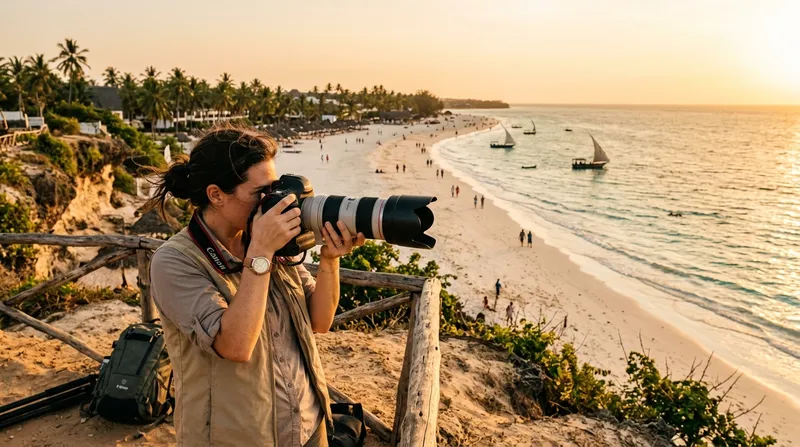
Private sessions cost more but offer better gear support and pacing control than group golden hour walks.
Zanzibar photography tour types compared by group size, duration, and gear support
| Tour Type | Typical Group Size | Duration | Price Range (per person) | Gear Support |
|---|---|---|---|---|
| Guided golden hour walk | 4-10 people | 2-3 hours | Budget to mid-range | Basic tips only |
| Private photography session | 1-4 people | 1-4 hours | Mid-range to premium | Guide may shoot for you |
| Beach portrait shoot | 1-6 people (couples/families) | 1-2 hours | Mid-range to premium | Posing direction, reflectors sometimes |
| Cultural heritage walk | 6-12 people | 2-4 hours | Budget to mid-range | Route knowledge, light timing |
| One-on-one instruction | 1 person | 2-6 hours | Premium | Full technical coaching |
Figures as of 2025 and approximate; always check current prices and group sizes before booking.
Guided Golden Hour Walks vs. Private Sessions
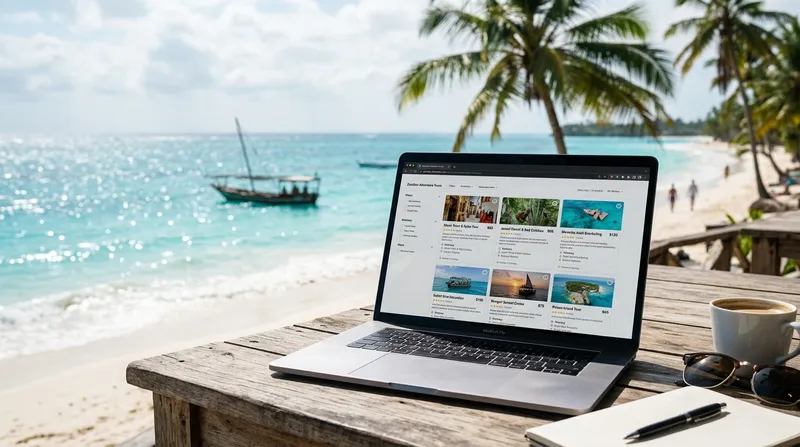
Guided golden hour walks are scheduled, shared, and cheaper per person — typically a fixed two- to three-hour slot timed to sunset, with four to ten participants. You get a route and a guide pointing out angles, but you share time and vantage points. Private sessions, often booked through platforms like GetYourGuide or Viator or directly with a local photographer, run one to four hours and are tailored to you alone or your small group. They cost considerably more per person but give full control over pacing, locations, and whether the guide shoots for you or simply directs you to spots. For a solo photographer building a portfolio, the group walk is usually enough. For a couple wanting to be the subject, pay for private.
Beach Photoshoots vs. Cultural Heritage Tours
Beach photoshoots — common at Kendwa, Nungwi, and Paje — focus on posed portraits, couples, and families against sand and water, usually scheduled around sunrise or sunset for flattering light. Cultural heritage tours center on Stone Town's Old Fort, Forodhani's food market stalls, and the narrow merchant lanes, and lean documentary rather than posed. The trade-off: beach sessions deliver fewer but more polished "hero" images, while cultural tours deliver volume and variety but require more editing work afterward. Photographers chasing a single standout honeymoon shot should book a beach session; those wanting a full travel story should do both, on separate days, rather than cramming them into one rushed itinerary.
Group Tours vs. One-on-One Instruction
Group photography tours, often marketed on TripAdvisor under names like Ocean Capture, Shouf, or Mango Travel, run cheaper and socially looser — useful if you want company and don't mind sharing the guide's attention. One-on-one instruction costs more but is the only realistic option if you need technical teaching (manual exposure, off-camera flash, underwater housings) alongside location guidance. I'd avoid large groups of ten-plus for sunset shoots specifically — by the time everyone gets a turn at the best angle, the light's often gone.
What to Look for When Booking
Read past the star rating. On TripAdvisor and GetYourGuide, check whether reviews specifically mention photography outcomes — final image quality, whether the guide understood exposure for silhouettes, whether they respected shooting time — rather than just "nice guide, fun walk." A 4.8 rating with generic praise tells you less than a 4.5 rating with three reviews describing exact locations shot.
Gear Support and Equipment Logistics
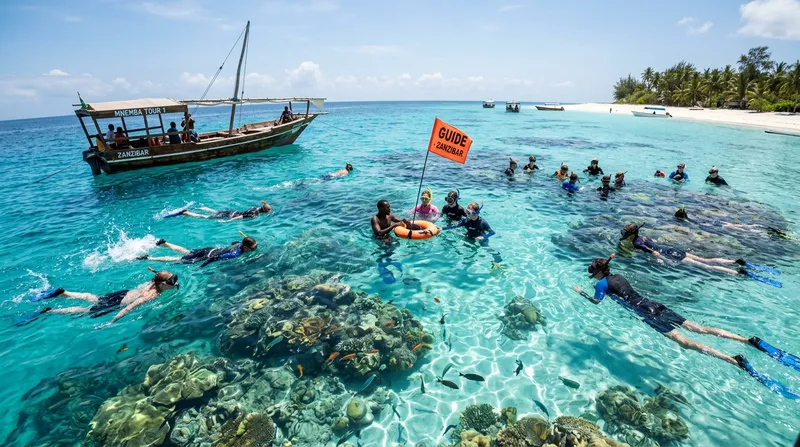
If you're traveling with a DSLR body, multiple lenses, a drone, or underwater housing, ask directly whether the tour is "gear-friendly" before paying anything. Some boat-based shoots near Mnemba Atoll or Paje have limited dry storage, and sea spray on a rocking dhow is a real risk to electronics. Drone use requires a permit in Zanzibar — tour operators rarely handle this for you, so confirm who's responsible for paperwork if aerial shots are part of the plan. A tour that can't answer a direct question about tripod use in Old Fort's narrow passages (some stretches restrict large equipment due to foot traffic) probably hasn't thought through logistics either.
Group Size and Pace Flexibility
Ask how many stops the route includes and whether timing is fixed or flexible around light. A rigid itinerary that marches through five locations in two hours sounds generous but usually means ten minutes per stop — not enough to wait out a cloud or reposition for a better angle. I'd rather book a tour with three stops and real time at each than one promising six locations with no buffer.
When to Book Your Photography Tour
Timing drives image quality more than any other variable on this list, and it's the thing most first-time bookers get wrong.
Seasonal Light Conditions and Weather
Zanzibar's dry season — roughly June through October, and again January to February — gives the clearest skies and most predictable golden hour, with sunset around 6:30pm year-round since the island sits near the equator with little seasonal light shift. The long rains (March to May) bring dramatic cloud formations that can make for striking storm-light photography but also cancel boat-based shoots near Mnemba Atoll with little notice. Humidity haze is heaviest November through February, softening contrast in midday shots — not necessarily bad, but worth knowing if you want crisp architectural detail at Old Fort.
Booking Windows and Advance Notice
Private sessions and sought-after sunset slots at Kendwa or Nungwi book up one to two weeks ahead in peak season (July-August, December-January). Group walking tours are more flexible — same-day or next-day booking is often possible through platforms like Viator. If your trip includes a specific golden-hour date you can't move, lock in a private session early rather than hoping a group slot opens up.
Key Photography Locations and Landmarks
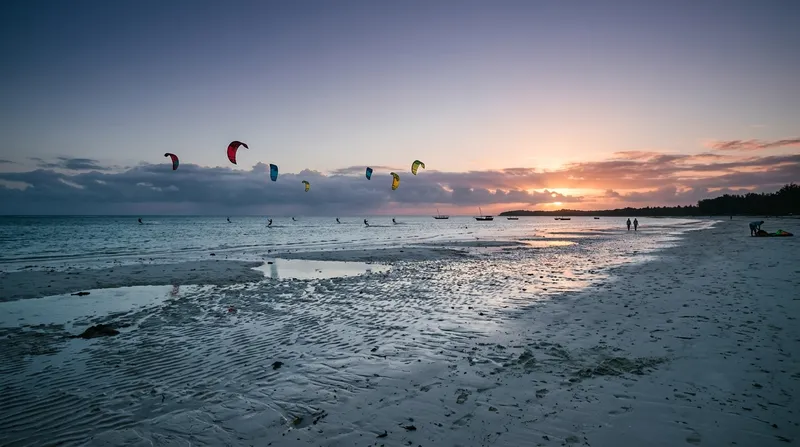
A handful of locations account for most of the island's strongest tour images, and most itineraries build around some combination of them.
Kendwa Beach and Coastal Hotspots
Kendwa faces west, which makes it one of the few beaches on the island with a true ocean sunset rather than a sunrise-only coastline — a key reason it dominates golden hour tour itineraries. Paje, on the east coast, flips this: it's a sunrise and blue-hour location, better for photographers willing to start before 6am to catch kite surfers and tidal flats at low tide. Nungwi sits between the two geographically and works reasonably for both, though it's busier with tourist boat traffic that can clutter a clean composition.
Old Fort and Cultural Sites
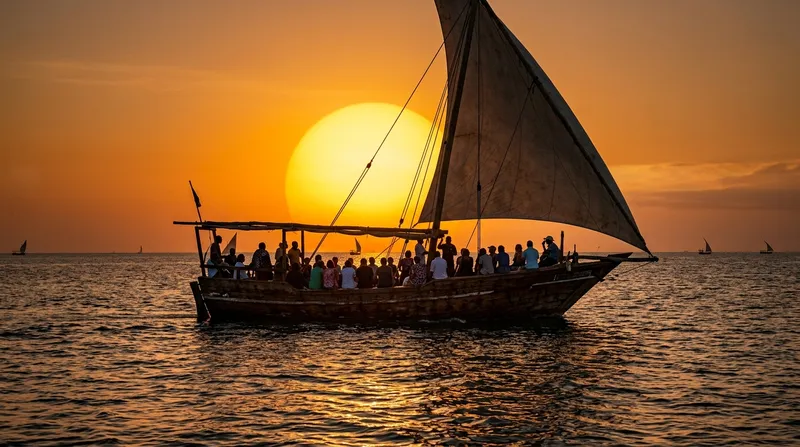
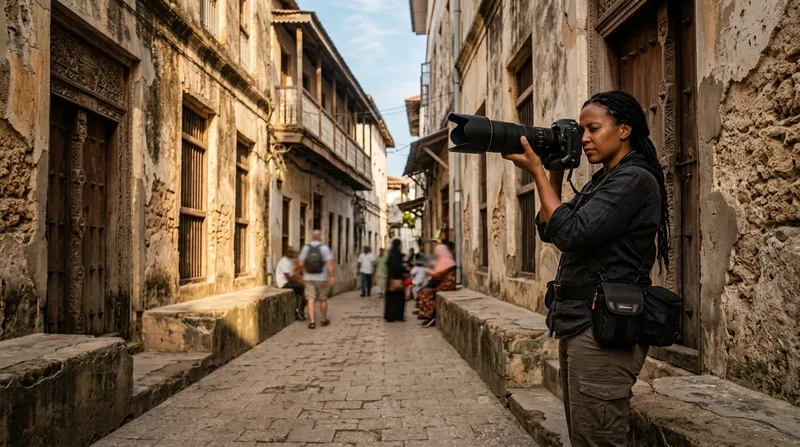
Old Fort's coral-stone walls and open-air amphitheater photograph well in late afternoon when the stone turns warm orange, and it's within easy walking distance of Forodhani Gardens, where the evening food market and dhow harbor give a completely different texture — motion, crowds, cooking smoke, boat silhouettes. Most cultural heritage tours link these two with a walk through Stone Town's lanes in between, which is where you'll get doorway and balcony shots the island is known for. Expect narrow, sometimes crowded alleys — a monopod is more practical than a full tripod here.
Frequently asked questions
What are the best photography tour operators in Zanzibar?
There's no single best option — it depends on whether you want a group walk or a private shoot. Search current listings on GetYourGuide, Viator, and TripAdvisor, and check reviews for operators like Ocean Capture, Shouf, or Mango Travel specifically for comments on photo quality and guide knowledge, not just general friendliness. Always confirm current ratings and prices before booking, since availability and operator quality change season to season.
Which locations are most photogenic in Zanzibar?
Kendwa Beach for west-facing sunsets, Forodhani Gardens for harbor and market life at dusk, Old Fort for warm-toned stone architecture, and Paje Beach for sunrise and tidal-flat shots. Stone Town's connecting lanes add doorway and balcony detail between the bigger landmark stops.
What is the best time of day for photography in Zanzibar?
Golden hour runs roughly 45 minutes before the island's near-constant 6:30pm sunset, but blue hour — the 15-20 minutes after the sun dips — often produces calmer, more even light for Stone Town's narrow streets. For east-coast beaches like Paje, sunrise around 6:15am beats sunset entirely.
Are photography tours gear-friendly for professional equipment?
Most are fine with a standard DSLR and one or two lenses, but drones require a permit that tour operators don't automatically handle, and boat-based shoots near Mnemba Atoll have limited protection from sea spray. Ask directly about tripod restrictions in Old Fort's passages before booking if you're shooting with heavier gear.
What is included in a Zanzibar photography tour?
Typically a guide, a set or flexible route, and timing built around golden hour or sunrise. Group walks rarely include transport or equipment; private sessions sometimes include a second shooter or basic props for beach portraits. Confirm inclusions and current pricing directly on the booking platform, since packages vary by operator.